78
Tempest900 2-Channel Operating Manual
Mix Minus Signal: A mix of all audio that the BeltStation user needs to hear, minus the audio coming from the BeltStation itself.
Pairing: A programming process that allows a BaseStation and BeltStation to recognize each other.
Slot: One of ve time intervals in the FHSS TDMA RF schema. Each BeltStation occupies a slot. Also, one of the ve display locations on the
BaseStation LCD screen.
Stage Announce: A Tempest system feature that permits connection of the BaseStation to a public address system (PA), and allows a
BeltStation user to be heard through the PA. The option includes a relay that can be used to activate the PA system.
Status Screen: Normal operational mode screen on the BaseStation or BeltStation LCD display.
T-Desk Software: Software, used to congure and monitor the Tempest Intercom System with a computer over a Local Area Network.
Time Domain Multiple Access (TDMA): Radio technology that takes advantage of the relatively slow speed of sound and much faster
speed of RF, to create the illusion of multiple simultaneous transmissions.
Tempest BaseStation: The control station for a group of Tempest Wireless Intercom BeltStations with the ability to interface with most
commonly used wired intercom systems.
Tempest BeltStation: An intercom user station, designed to be worn on the user’s belt in conjunction with a headset that provides a
dedicated communication link and freedom of movement.
Tempest Remote Transceiver: An accessory used with the Tempest BaseStation to locate the antenna apart from the BaseStation without RF
signal loss or attenuation.
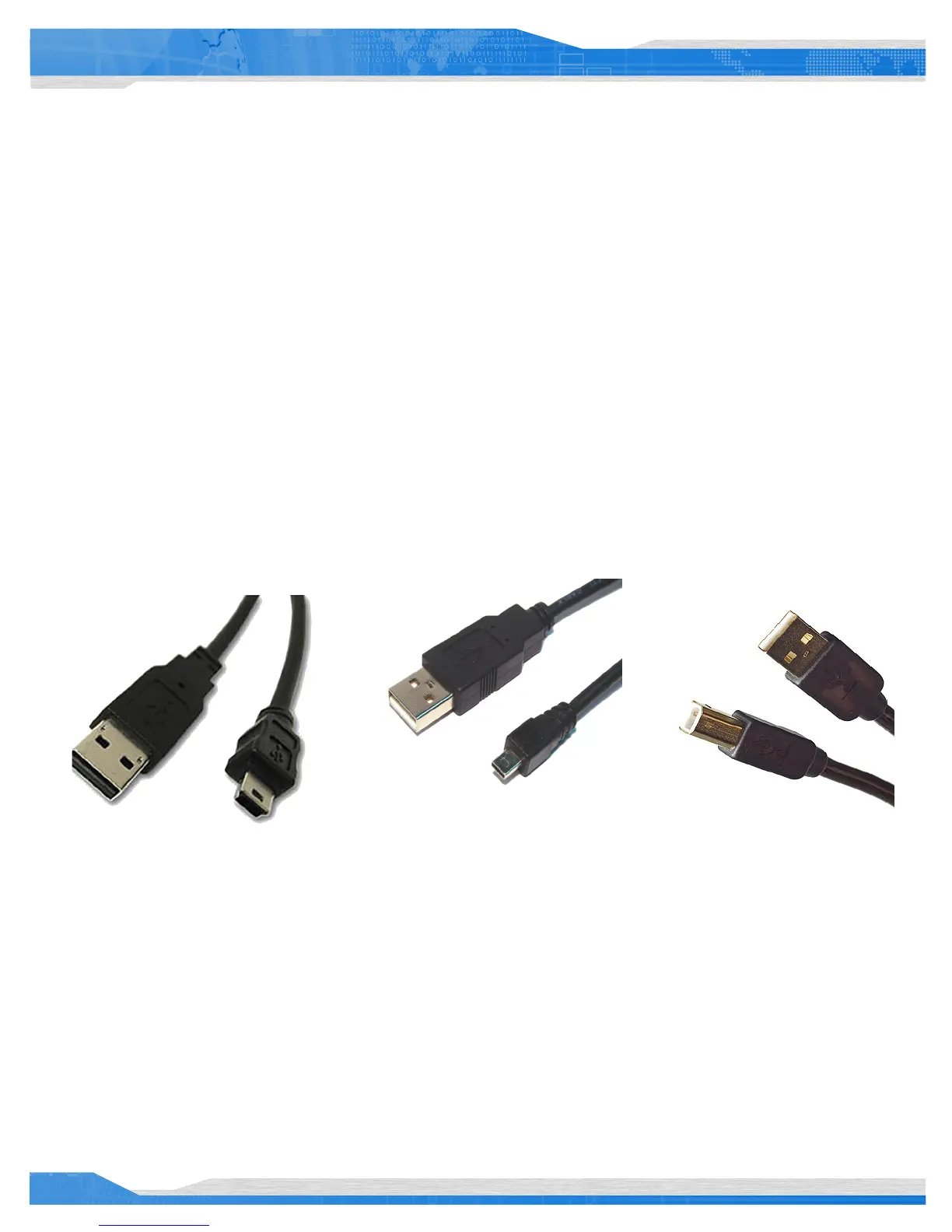
USB Connections:
USB-A
USB-B
Mini-USB-B


 To Next Page