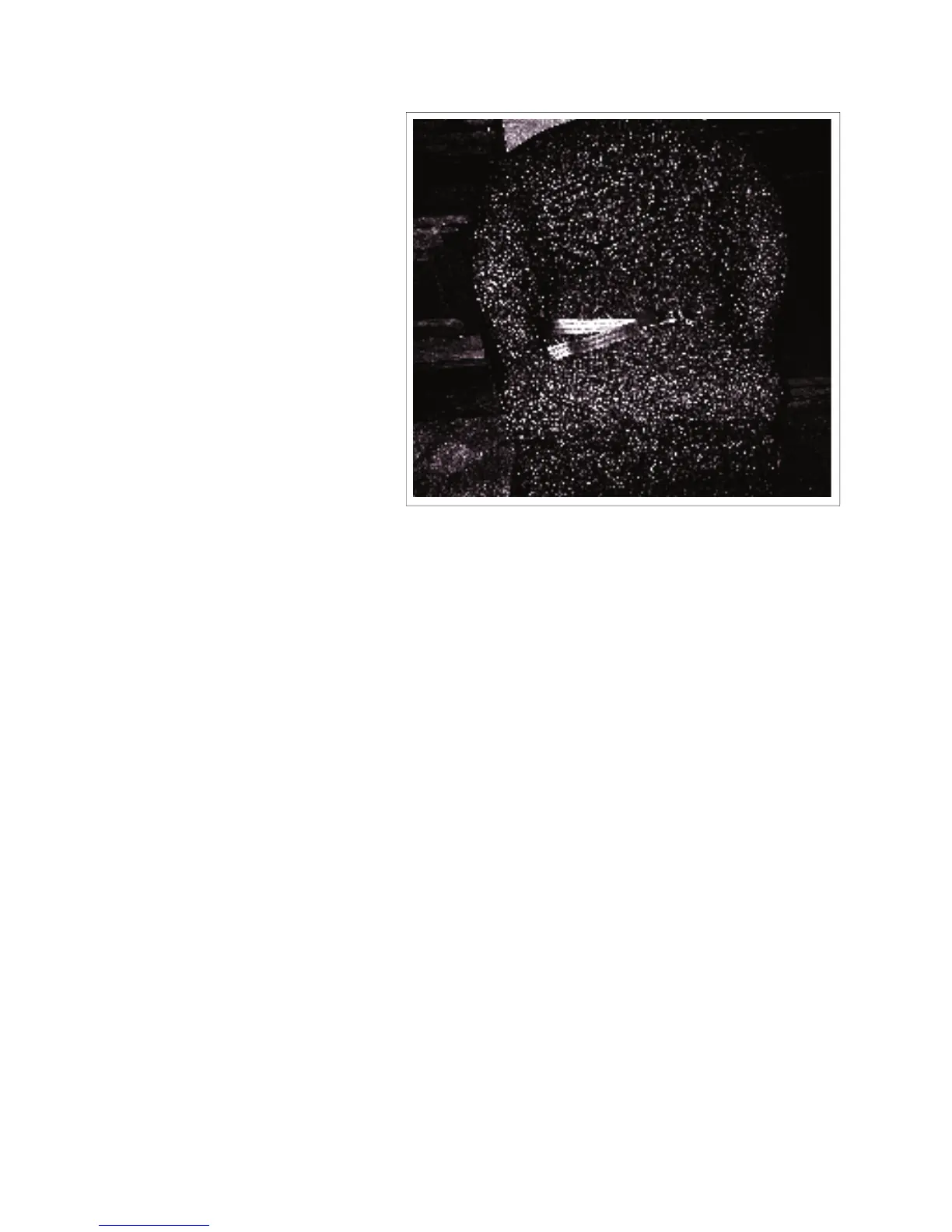
Only seats equipped with seat belts
are approved for use by occupants
while the vehicle is moving. Never
travel in a seat that is not equipped
with a lap or shoulder belt.
a. Sit in the seat and rotate the
chair to its locked position.
b. Pull the spade end of the seat
belt across the lap and insert
it into the buckle. Be sure the
buckle “clicks” to indicate that
the spade is locked securely in
c. Be sure the belt is not twisted
to minimize load concentrations
during impact. A fl at belt distrib-
utes impact loads over a wider
area of the body to reduce the
d. Slide the strap low on the torso
and touching the top of the
thighs to distribute the impact
load through the hip/pelvic area.
COMMANDER / EMBASSY
b. Make sure the system will attach to your
vehicle conveniently and provide safety for
your child every time it is used.
c. Be sure the restraint system is suitable
and adequate for your child's age, weight
and height. Check the label for this infor-
d. Review the instructions supplied with the
child restraint system. Be sure that any-
one placing a child restraint system in a
vehicle fully understands how it must be
located, anchored and used. Improperly
placed or anchored restraints will not pro-
e. Depress the button on the buckle to
release the spade/belt assembly. Hold
the belt as it is released to prevent it from
Pregnant women should wear their lap belts
low on their torsos and shoulder straps di-
agonally across their chests. Do not position
the strap against the neck. Wearing a seat or
shoulder/lap belt properly will protect both the
mother and the unborn child.
Child restraint systems are a legal require-
ment in most jurisdictions of North America.
Statistics prove that children not secured with
a certifi ed child restraint system experience
more severe and more frequent injuries than
those properly restrained. In order to provide
the safest restraint system for your child during
transport, follow these considerations when
selecting an appropriate child restraint system:
a. Purchase a child restraint system that is
labelled to be certifi ed to all applicable US
Motor Vehicle and Canadian Children's
Car Seats and Harness Regulations.



 To Next Page