SWT
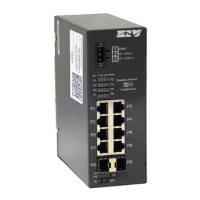
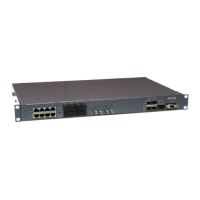
GIGABIT/FAST ETHERNET SWITCH TYPE SWT 50/137
USER GUIDE - M0SWTA1903Iv09 - V09 March 2019
• LAG leader. For proper operation of the aggregate interfaces, all interfaces
belonging to the same group must match in their configuration parameters. It is
necessary to choose a Leader within the group to determine which set of
parameters will be used for all the interfaces included in the group. In case for
multiple selection, the last that is found is taken as Leader, ignoring the rest.
If interfaces are configured as members of a group but none of the interfaces is
selected as Leader of it, the group will not be effective.
Q in Q (Double tagging):
• S-TAG type. This parameter allows the user to set up the ‘ethertype’ field to be
used in the service tag or provider, and which allows to identify that a frame
includes double tagging. The value by default is 0X88A8 according to the
standards.
5.5 VLAN CONFIGURATION
A Virtual Local Area Network (VLAN) can be defined as a series of devices connected in a
network which belong to one Local Area Network, even though they are connected in
different interconnection equipment, remote geographical zones, different floors of a
building or even different buildings. In other words a VLAN is a network with logical groups
which are physically independent.
Each VLAN is distinguished from the rest by a specific identifier, usually called a VLAN tag,
which is specified in standard IEEE 802.1q. The tag allows several VLANs to share
resources, including switching equipment such as the SWT, or links between switching
equipment, with the guarantee that the traffic from each VLAN will reach the correct
destination.
The fact that in relation to the equipment, the definition of the VLAN and assigning of the
ports to each one is done based on configuration parameters offers great flexibility, as it is
possible to alter the topology of the VLANs without having to make changes to the
infrastructure.


 To Next Page