1.3 The Gateway Function of Router
A user on either X.25 or Ethernet can make a connection to a service on
either network via a single call from a terminal; this is commonly known
as a 'seamless connection'.
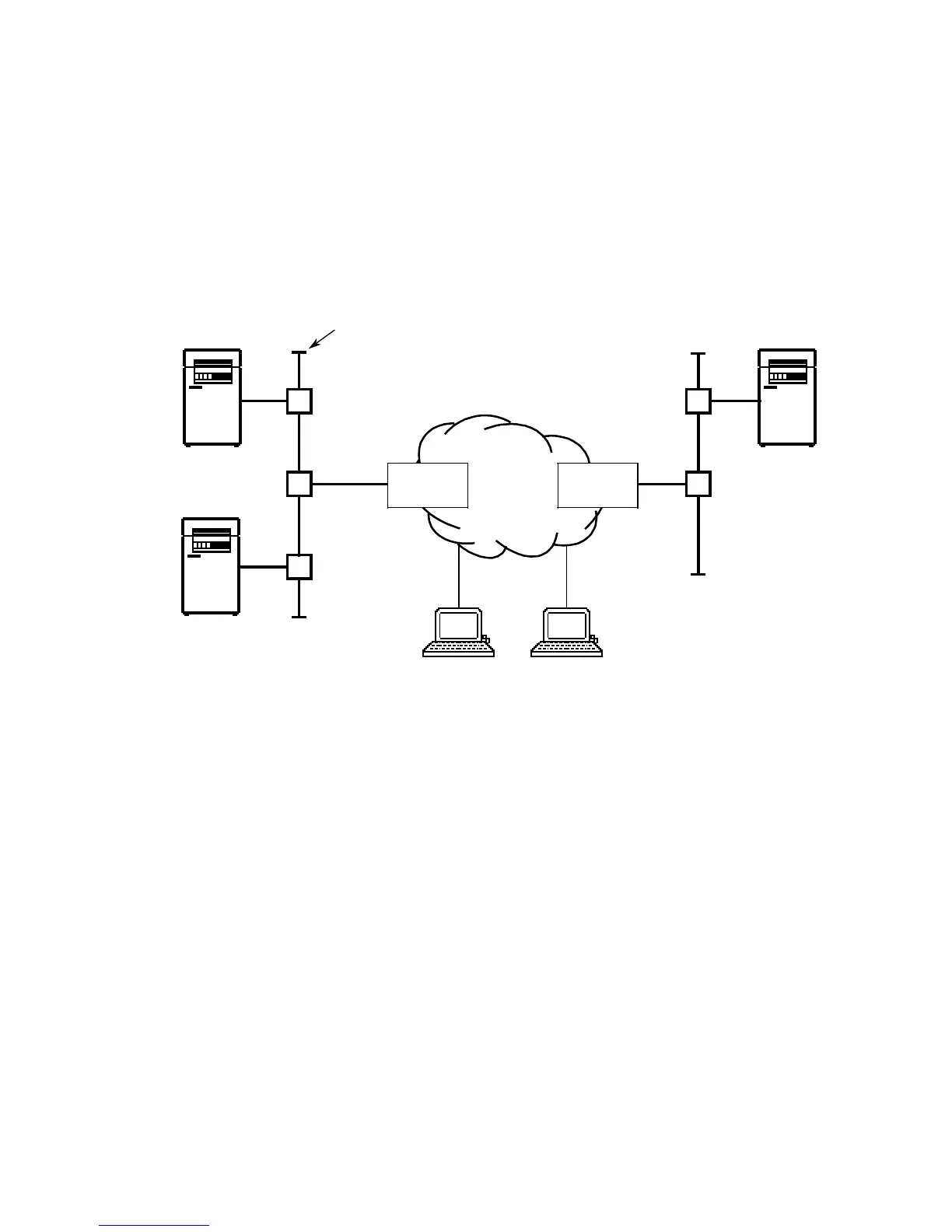
Figure 1-1 shows a typical application of the gateway function of Router,
allowing X.25 terminals to access host computers connected to an Ethernet
LAN.
Figure 1-2 Typical Application
HOST 1
HOST 2
X.25
ETHERNET LAN
HOST 3
ROUTERROUTER
Router provides facilities to ensure that the boundary between the two
networks (X.25 and LAN) is as invisible as possible. This allows the two
different networks to appear to the users as one network.
Seamless connections are achieved by automatically translating LAN
addresses to X.25 addresses, and vice versa. The translation process takes
WAN service numbers (X.121 addresses), and maps them to specific
TCP/IP addresses ('sockets', see Appendix C.2). Therefore any standard
X.25 service can be converted to a standard LAN service address.
An example would be the use of Router as an additional access to a Host
computer. The Router would, upon receipt of an X.25 call, automatically
contact the Host over the Ethernet using an IP and TCP address. The users
would be unaware of how they were actually connected.
X870-300351 Issue 1 1-5 Rev.0



 To Next Page