When searching with IRST, target information is displayed in the HUD azimuth-elevation coordinates
(as opposed to the azimuth-range coordinates when searching with radar). Azimuth is along
horizontal, elevation angle along the vertical axes respectively.
After the locking the target with the help of the IRST cursor, the display switches to the STT mode
described earlier.
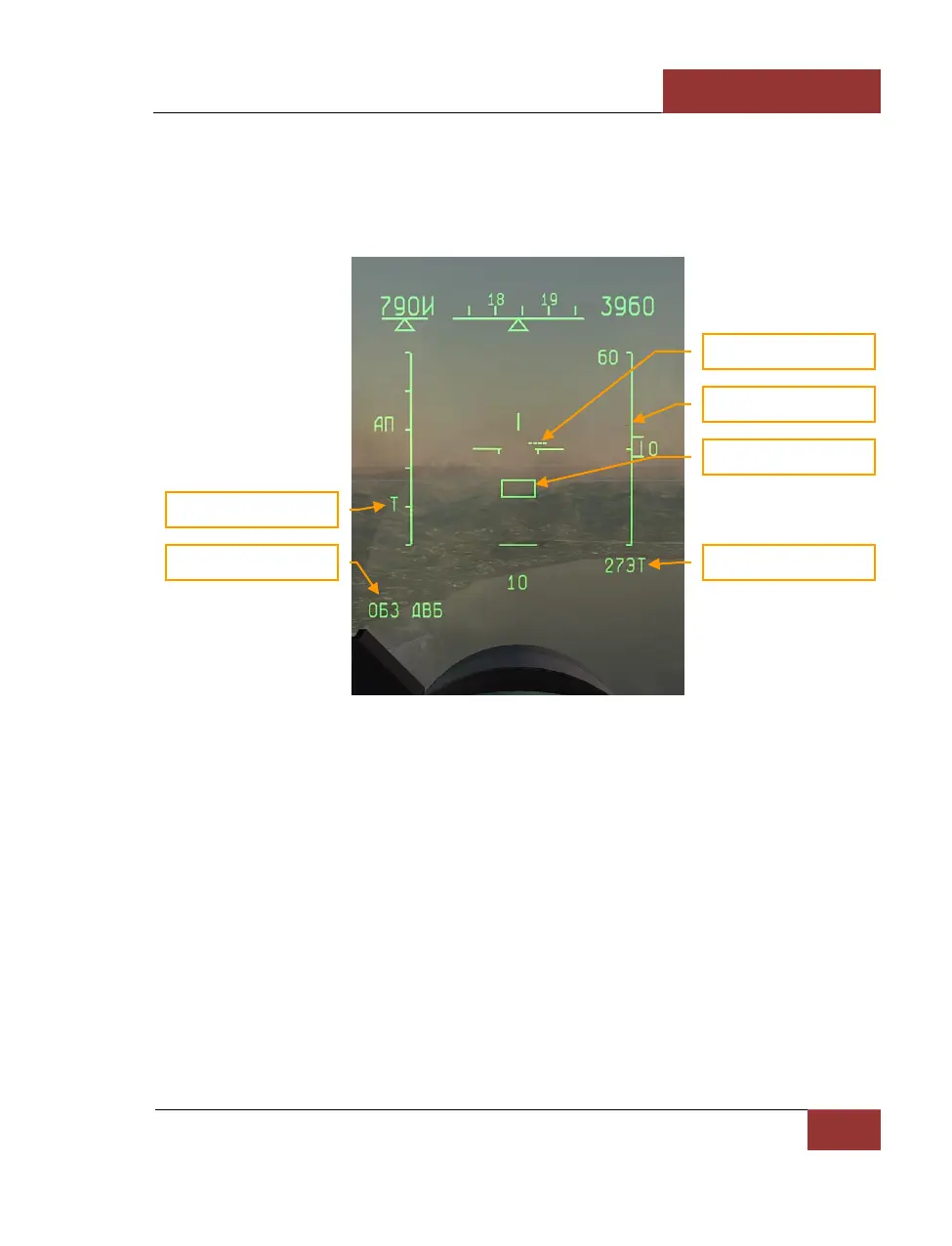
Figure 53: "ОБЗ ДВБ" (SCAN BVR) Mode with IRST as chosen sensor
• The "T" symbol at the left side of the HUD indicates IRST operation.
• The name of the chosen mode is displayed in the left lower corner.
• Target mark is displayed in the azimuth-elevation angle format.
Since the target’s RWR cannot detect the laser rangefinder employed by the IRST, this sensor makes
it possible to conduct a "stealth" attack. For this type of attack, only "heat-seeking" missiles with
seekers that employ infra-red homing (IRH) can be used.
Digital Datalink
The Su-27 carries radio equipment to receive digital target information directly from off-board
sensors (A-50 AWACS aircraft and ground-based EW radars) without using voice communications.
The command post transmits air combat tactical situation to the fighter, and this data is then
displayed in a top-down view on the HDD to improve the pilot’s situational awareness. This tactical
display shows the positions of all aircraft detected by off-board sensors, using the fighter’s own


 To Next Page