according to caliber and ammunition type (e.g. RBK-250 AO-1 for a 250 kg antipersonnel bomb). The
different RBK types are also distinguished from each other by the method of dispersing sub-
munitions.
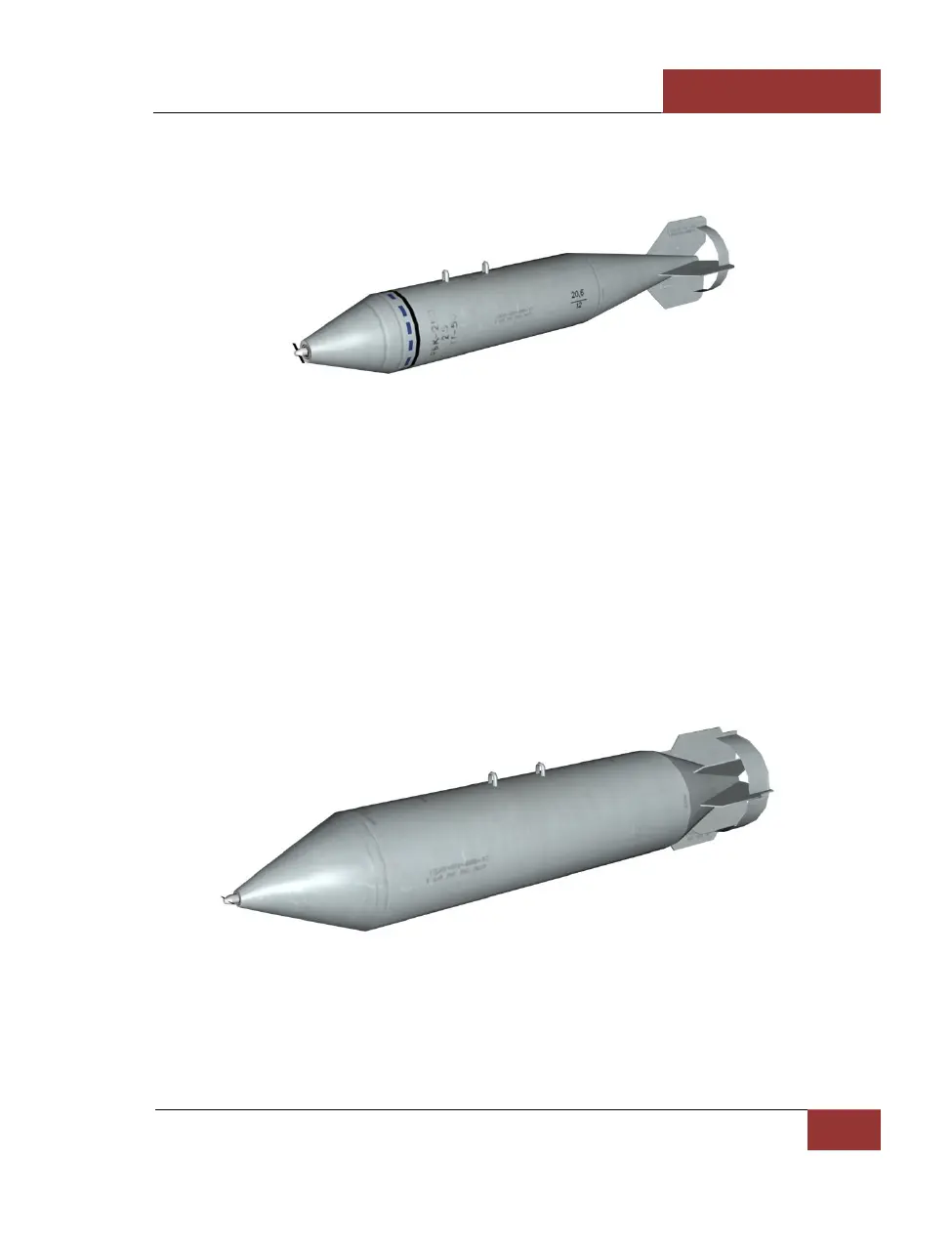
Figure 76: RBK-250 Cluster Bomb
The nose of the canister contains a black gunpowder dispersal charge triggered by a time-delay
screw fuse. The time-delay fuse starts spinning after bomb release and the cluster bomblets are then
ejected in mid-air. The expanding gases split the canister casing in two, scattering the independent
bomblets. The area over which sub-munitions are distributed is called the bomb's footprint.
Depending on the bomb's fall angle at the moment of sub-munitions dispersal, the footprint may be
circular or elliptical, and its dimensions determined by the canister speed and altitude. The canister
may also feature internal mechanisms to increase the footprint area of bomblet dispersal by ejecting
them with a greater speed or time interval.
There are several types of RBK cluster bomb.
The RBK-250 AO-1 is equipped with 150 fragmentation bomblets. Canister length is 2120 mm,
diameter 325 mm, weight 273 kg, including 150 kg of sub-munitions. The maximum footprint area is
4,800 m
2
.
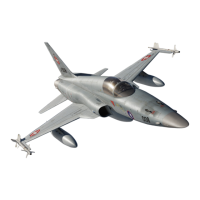
Figure 77: RBK-500 Cluster Bomb
The RBK-500 AO-2.5RTM bomb is equipped with 108 AO-2.5RTM bomblets. Canister length is 2500
mm, diameter 450 mm, weight 504 kg, including 270 kg of sub-munitions. A single AO-2.5RTM sub-
munition (bomblet) weighs 2.5 kg, with 150 mm length and 90 mm diameter. RBK-500 AO-2.5RTM


 To Next Page