DECTnetIP Properties
117
10. DECTnetIP
In order to achieve optimal network coverage, a DECT network with several DECT
base stations can be operated. A DECT network is comprised of DECT terminals
connected with the next respective base station (network cell). For users of a DECT
terminal, the handover from DECT base station to base station is completely trans-
parent. Even during a conversation, users are switched from one network cell to
the next without any interruption. Administration of DECT terminals is done cen-
trally via the OpenCom 100 Configurator in the PBX Configuration: Devices:
DECT Phones menu.
10.1 Properties
10.1.1 DECT base stations
DECT base stations can be connected to the OpenCom 100 via U
pn
accesses or via
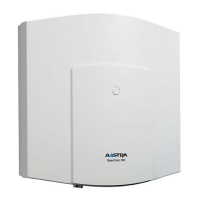
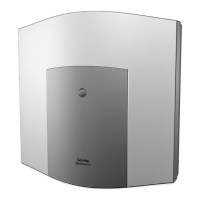
network (TCP/IP). These DECT base stations are available for the type of access
selected:
■ RFP 22: Access via U
pn
with lines up to 1000 metres in length; integrated
antennas; 4 voice channels (8 when using 2 U
pn
accesses)
■ RFP 24: like the RFP 22; mounted outside enclosed areas (IP55); external
antennas
Note: The newer DECT base stations RFP 22 and RFP 24 can
be simultaneously operated with the older DECT base stati-
ons, RFP 21 and RFP 23. Fax transmissions (group 3 with ECM)
and SARI (roaming with Secondary Access Rights Identifica-
tion Broadcasts) can be done using the newer DECT base sta-
tions. Data transmission via DECT is not available with the ne-
wer DECT base stations.
■ RFP 31: Access via shielded CAT5 Ethernet cable (STP cable, Shielded Twisted
Pair cable) with up to 100 metres in length; integrated antennas; 8 voice
channels
■ RFP 33: like the RFP 31; mounted outside enclosed areas (IP55); external
antennas



 To Next Page