1.1 Methods
Interference levels decrease with increasing sample volume.
Example: Iron interferes above 200 mg/L if a sample volume of 5 ml is used.
At a sample volume of 10 ml the interference level decreases to 100 mg/L.
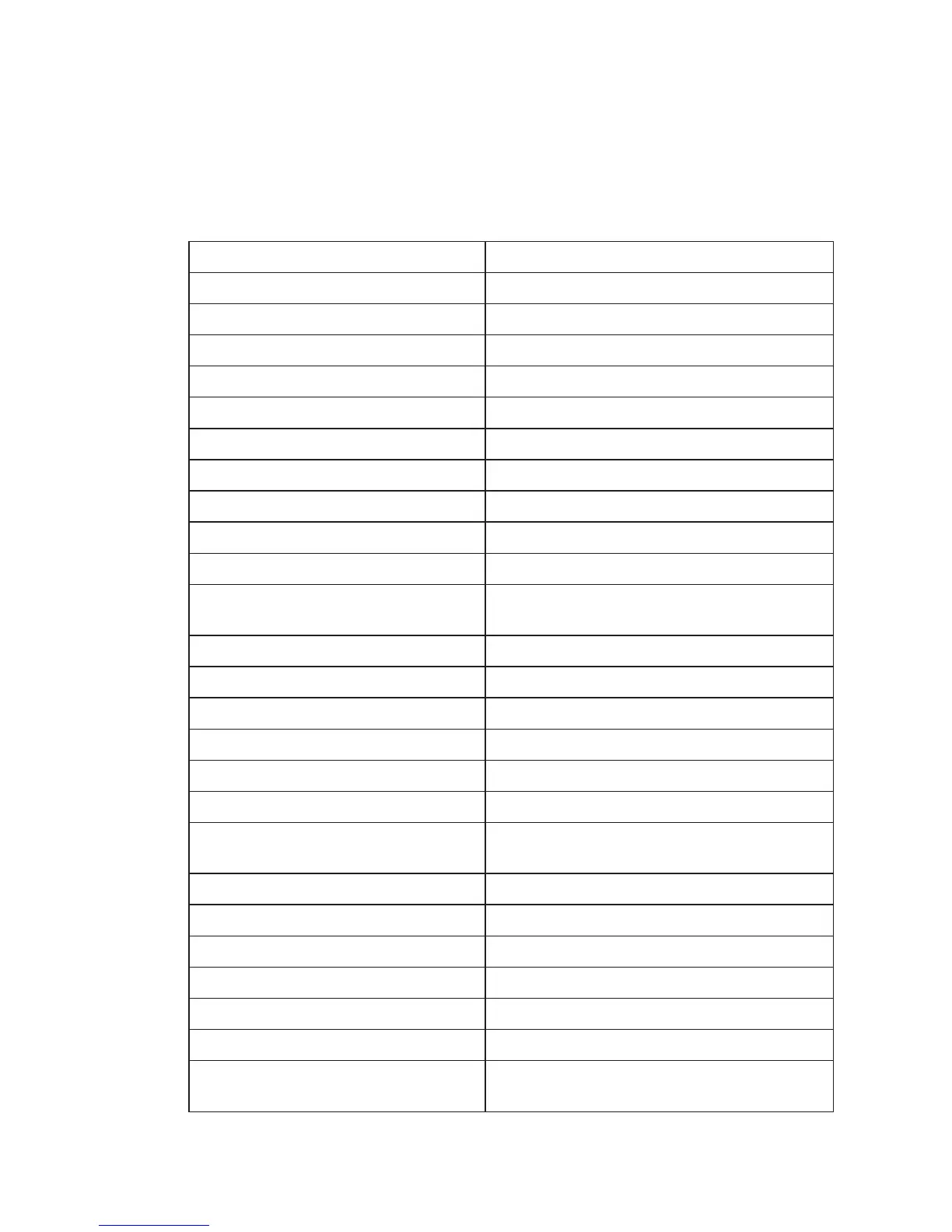
Table 3:
Interfering substances Interference level using 5 ml of sample
Aluminium 100 mg/l
Arsenate interferes at all concentrations
Benzotriazole 10 mg/l
Bicarbonate 1000 mg/l
Bromide 100 mg/l
Calcium 5000 mg/l
CDTA 100 mg/l
Chloride 5000 mg/l
Chromate 100 mg/l
Copper 100 mg/l
Cyanide 100 mg/l; increase the UV digestion
to 30 minutes
Diethanoldithiocarbamate 50 mg/l
EDTA 100 mg/l
Iron 200 mg/l
Nitrate 200 mg/l
NTA 250 mg/l
Orthophosphate 15 mg/l
Phosphite and
organophosphorus compounds
reacts quantitatively;
Meta- and Polyphosphates do not interfere
Silica 500 mg/l
Silicate 100 mg/l
Sulfate 2000 mg/l
Sulfide interferes at all concentrations
Sulfite 100 mg/l
Thiourea 10 mg/l
highly buffered samples or
extreme sample pH
may exceed the buffering capacity of the
reagents and require sample pretreatment





 To Next Page