1.1 Methods
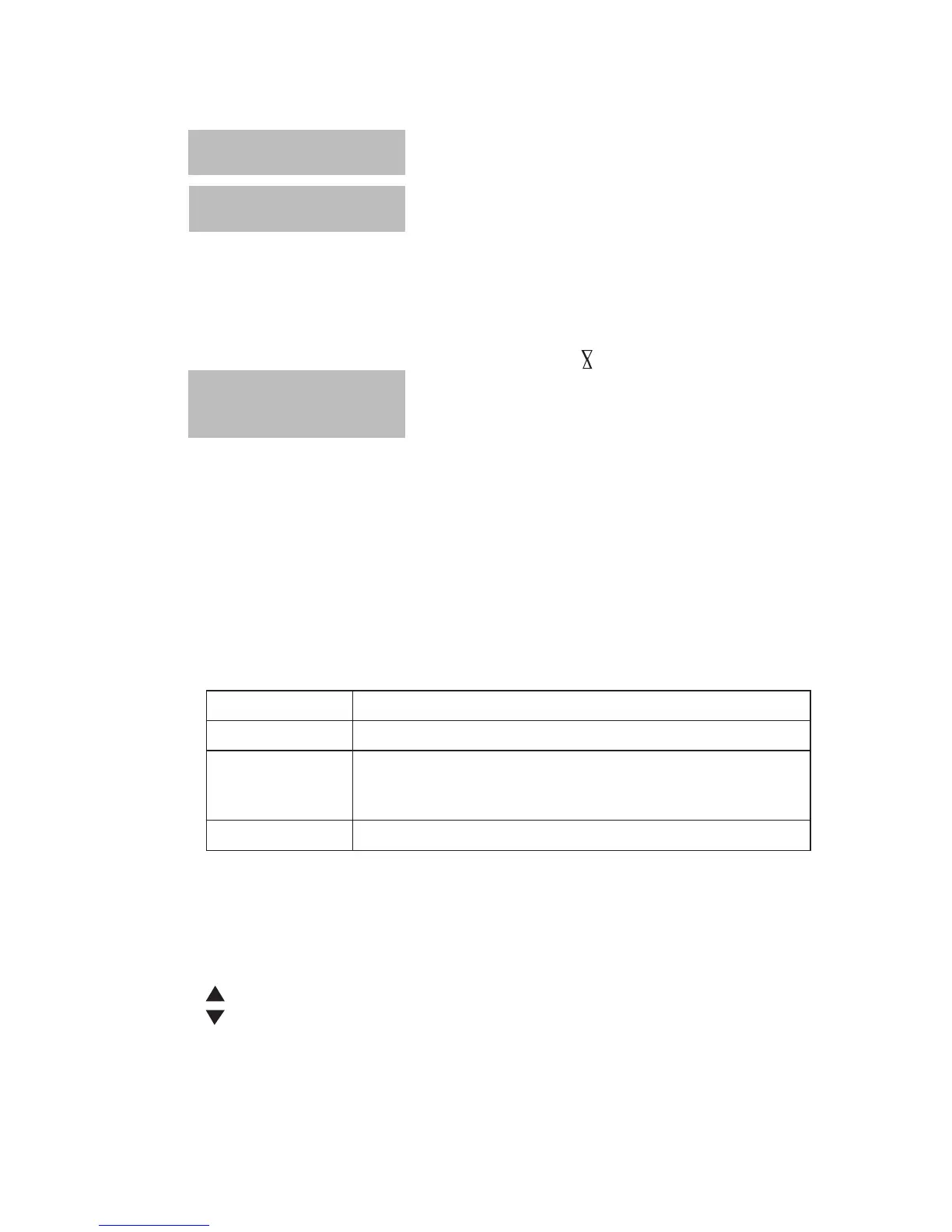
11. Press ZERO key (blank is already placed in the sample
chamber – see point 8).
Wait for a reaction period of 2 minutes.
After the reaction period is finished the zero-reading
starts automatically.
12. Remove the vial from the sample chamber.
13. Place the vial (the sample) in the sample chamber ma-
king sure that the
marks are aligned.
14. Press TEST key.
The result is shown in the display in mg/l Silica.
Notes:
1. Close the vials with the cap immediately after adding the Vario Molybdate 3 reagent
solution, otherwise low readings may result.
2. The given reaction time of 4 minutes refers to a water sample temperature of 20°C.
At 30°C a reaction time of 2 minutes, at 10°C a reaction time of 8 minutes are required.
3. The given reaction time of 1 minute refers to a water sample temperature of 20°C.
At 30°C a reaction time of 30 seconds, at 10°C a reaction time of 2 minutes are required.
4. Interferences:
Substance Interference
Iron large amounts interfere
Phosphate does not interfere at concentrations less than 50 mg/l PO
4
at 60 mg/l PO
4
the interference is approx. – 2%
at 75 mg/l PO
4
the interference is approx. – 11%
Sulfide interferes at all levels
Occasionally water samples contain forms of silica which reacts very slowly with
Molybdate. The nature of these forms is not known.
A pre-treatment with Sodium hydrogencarbonate and then with Sulfuric Acid will
make these forms reactive to Molybdate (pre-treatment is given in “Standard Methods
for the Examination of Water and Wastewater” under “ Silica Digestion with Sodium
Bicarbonate”).
5.
SiO
2
Si
Countdown
2:00
prepare Zero
press ZERO
Zero accepted
prepare Test
press TEST





 To Next Page