Operation
6-27
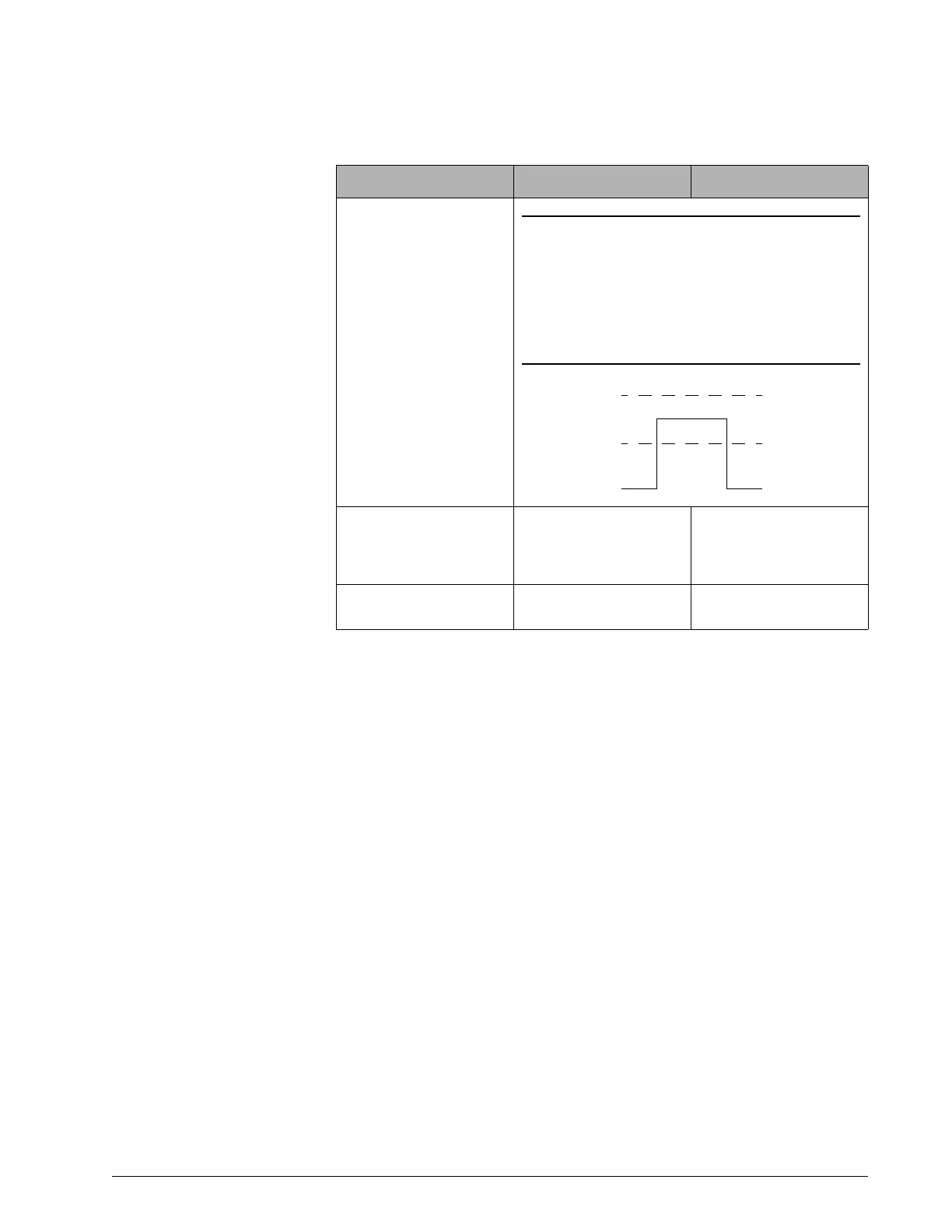
NOTE: In the S/T and PCV modes, the LIP alarm should
be set 3-5 cmH
2
O below the IPAP level. When
set in this manner, the alarm works in
conjunction with the LIP T alarm to indicate if
there is a failure to trigger between the two
pressure levels. It will also alert the clinician to
pressure degradation due to excessive leaks. See
figure below.
LIP T (Low Inspiratory Pres-
sure Delay Time)
The interval from the detec-
tion of low inspiratory pres-
sure until the alarm
becomes active.
5 to 60 secs
Lo
E
(Low Minute Ventila-
tion Alarm)
Low expiratory minute vol-
ume.
OFF to 99.0 L/min
Table 6-4: Alarm settings (continued)
Setting Description Range
HIP
alarm
LIP
alarm
IPAP
EPAP





 To Next Page