NOTICE
Risk of damage to property
If jump starting is carried out incorrectly, it can cause damage to property.
►
Ensure that all batteries have the same rated voltage. Otherwise, a battery may be destroyed.
► Do not reverse the polarity of the battery cables as this can damage the alternator and electron-
ic equipment.
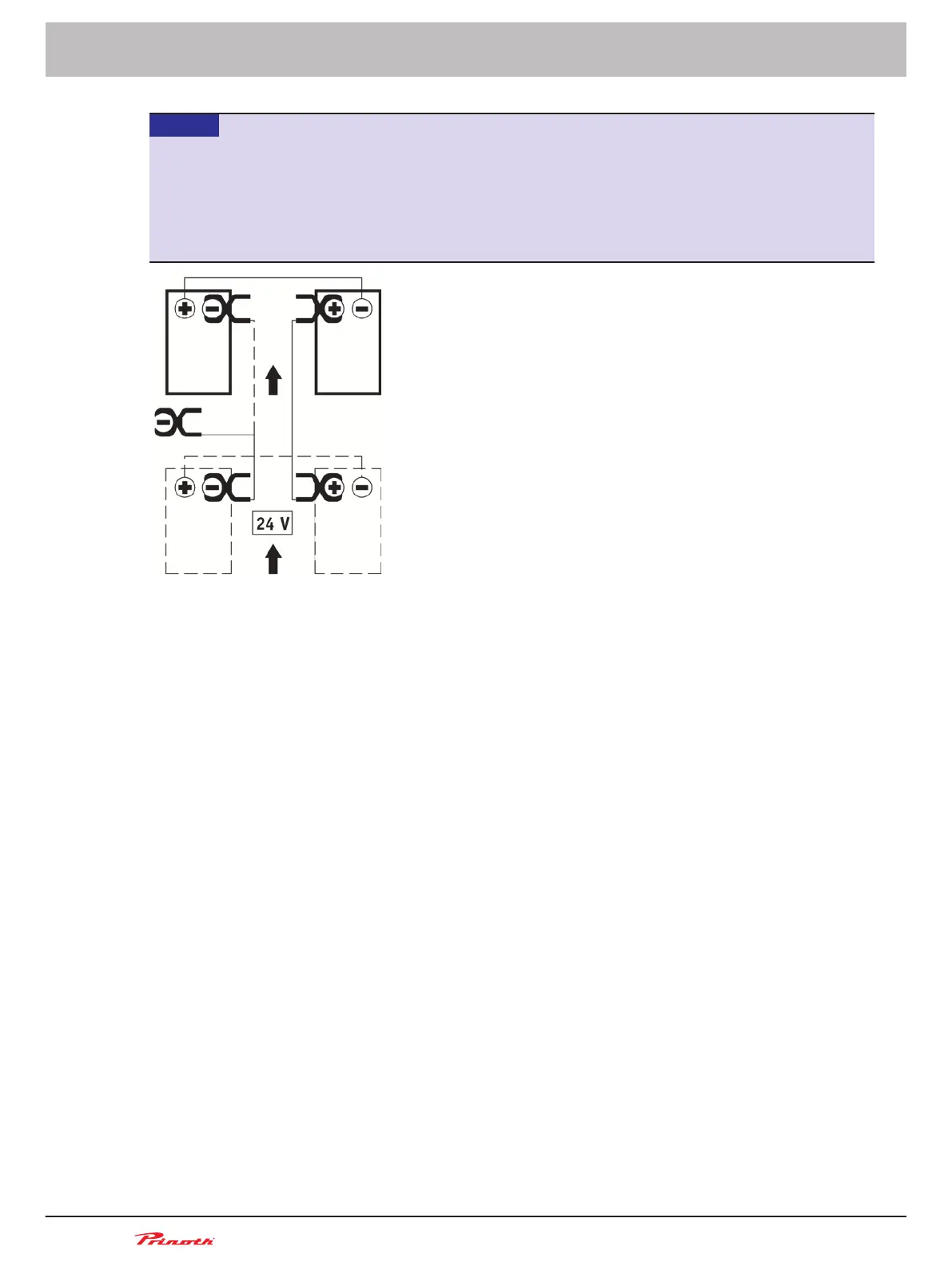
Figure 104: Connection diagram for jump starting
If the battery is discharged, the engine can be started using jumper cables and a booster battery. Only
use jumper cables conforming to DIN 72553 and follow the instructions supplied.
Only
use batteries with same nominal voltage for jump starting. This applies particularly to vehicles
with 24 V systems. Only use insulated jumper cables (cable cross section approx. 70 mm²) with insu-
lated terminal clamps (risk of short circuit).
A flat battery can freeze at approx. -10 °C (+14 °F); it has to be thawed before jump starting.
Use of cables for starting with a booster battery:
1. For jump starting with jumper cables, only use vehicles with the same nominal voltage (24 V).
2. Turn ignition switch to position 0, switch off all electrical consumers.
3. Attach red cable to positive terminal of flat battery.
4. Attach other end of red cable to positive terminal of donor battery.
5. Attach black cable to negative terminal of donor battery.
6. Attach the other end of the black cable to a stable, unpainted metal part of the frame or nega-
tive terminal (if necessary) of the flat battery.
7. Once the cables are properly and completely fixed, start the assisting vehicle.
8. Start the vehicle with the flat battery. Do not perform jump starting procedure for longer than
15 s.
9. If starting is successful, leave the vehicle with the flat battery running.
10. Disconnect the jumper cables in reverse order (first black, then red).
Operating and Maintenance Manual
Snow groomer BISON
176
(255)
11 - Maintenance
BISON 908930245 - 30367



 To Next Page