Operating considerations
Consider the following guidelines before actually installing
any eddy probe system to assure proper operation.
Target material
The type of metal of the observed surface (target material)
affects the eddy current probe’s sensitivity.
SKF probes are normally factory-calibrated for 4140 Steel
(either factory or user can calibrate for other metals). If
your target material is not 4140 Steel, the probe must
be calibrated for the specific type of target material to get
a linear 200 mV/mil sensitivity. Use a CMSS 601 Field
Calibrator for on-site adjustments.
Figure 1-2 shows the typical sensitivity response for
various materials.
Note: Depending upon difference from 4140, user
calibration is limited.
Mounting area
Probes must be rigidly mounted to ensure signal accuracy.
Probe adapters, probe holders, mounting brackets and
machinery casings must not be resonate to frequencies
generated within the machine.
Internally mounted probes are installed on brackets or
clips and should have armored cables. The cables must
be attached to the inside of the machine casing to prevent
internal whipping and rubbing. Cable connections should
be avoided inside the machine to the extent possible.
For external installations, the probe can be mounted
directly on the bearing housing or it can be held in place
by a probe holder. The holder passes through an adapter
fitting mounted on the bearing housing and the probe is
threaded into the holder. When properly installed, the
probe (including tip) should extend 1/2” from the face of
the holder.
Do NOT force the probe into the holder or the bearing
housing. If necessary, remove the probe and chase both
internal and external threads.
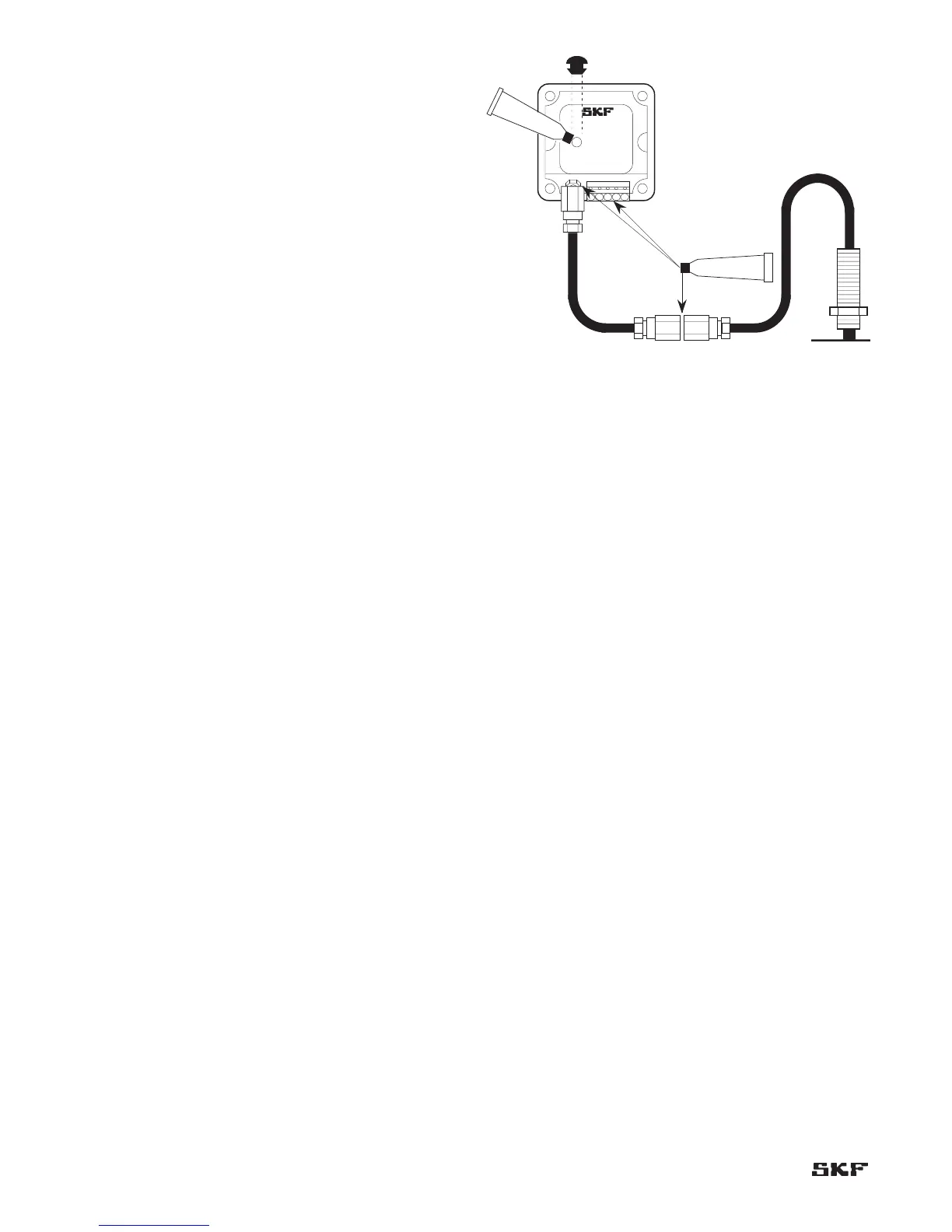
Figure 1-3. Sealing against adverse environments.
Probe leads and extension cable external to the machine
require physical protection such as flexible conduit for short
runs and rigid conduit for long runs. Use junction boxes
where extension cable and probe leads connect.
Environment
Fill the cable connectors with silicone grease to prevent
moisture intrusion at the time the interconnect is made.
Silicon grease will not adversely affect the conductance of
the connector and will act as an insulator.
The action of acids or strong bases in the environment can
adversely affect the probe.
Oil will not affect the probes’ performance. However,
sealing the driver’s calibration hole with silicone sealant
(RTV) is good practice if the driver’s environment
is extremely oily. If the driver is used in corrosive
atmospheres (e.g. H2S above 15 ppm), consult the factory
for special “potting” of components.
Hazardous areas
In hazardous areas where Intrinsic Safety is a
consideration, please abide by local installation codes and
regulations.


 To Next Page