B
20
Repair and Service Manual
BATTERIES AND BATTERY CHARGER
Read all of SAFETY and this section before attempting any procedure. Pay particular attention to Notices, Cautions, Warnings and Dangers.
10002660
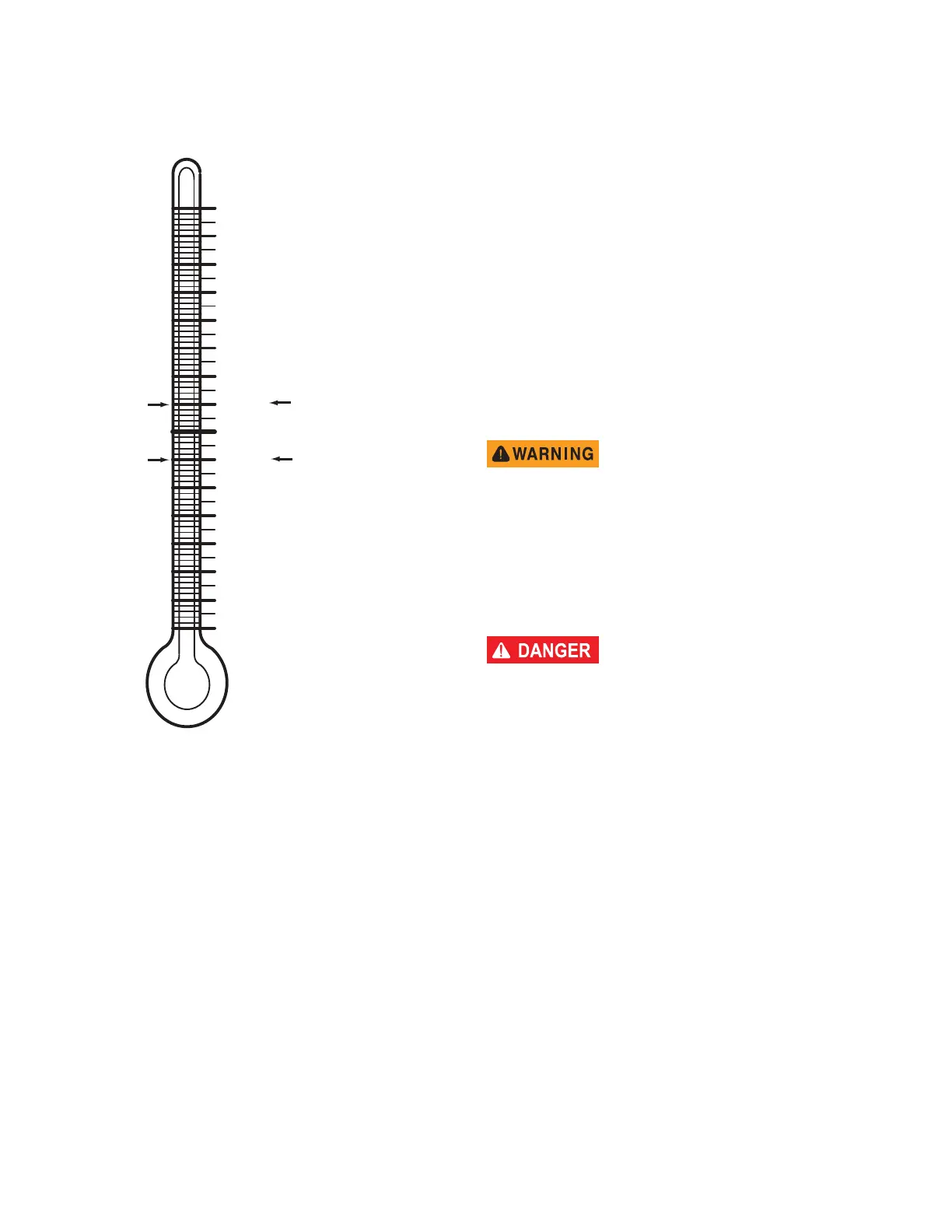
Fig. 10 Hydrometer Temperature Correction
BATTERY CHARGER
Charger Description
The battery charger supplied with the vehicle is a Delta-Q
Technologies QuiQ 72V charger. It is a fully automatic
battery charger and is designed specifically for charging
electric vehicle batteries. Use the charger on 72V battery
systems only.
Instructions are printed on the charger for daily reference.
A manual provided by the charger manufacturer is
shipped with the charger.
For information regarding the battery charger, including
charging instructions, LED display explanations, fault
testing, and ordering replacement parts, refer to the char-
ger manual or contact the manufacturer directly (See
BATTERY CHARGER USER’S GUIDE on page 135).
Portable Charger Installation
Use charger only on 72 volt battery
systems. Other usage can cause
personal injury and damage.
Lead acid batteries can generate explosive hydro-
gen gas during normal operation. Keep sparks,
flames, and smoking materials away from batteries.
Provide adequate ventilation during charging.
Never charge a frozen battery.
Study all of the battery manufacturer’s specific pre-
cautions such as recommended rates of charge and
removing or not removing cell caps while charging.
Risk of electric shock. Connect
charger power cord to an outlet that
has been properly installed and
grounded in accordance with all local codes and
ordinances. A grounded outlet is required to reduce
risk of electric shock – do not use ground adapters
or modify the plug. Do not touch uninsulated por-
tion of output connector or uninsulated battery ter-
minal. Disconnect the DC supply before making or
breaking the connections to the battery while
charging.
Do not open or disassemble the charger.
Do not operate the charger if the AC supply cord is
damaged or if the charger has received a sharp
blow, been dropped, or otherwise damaged in any
way. Refer all repair work to qualified personnel.
The charger is not for use by children.
Portable chargers are shipped with the vehicle. Prior to
vehicle or charger operation, chargers must be removed
and mounted on a platform above the ground to permit
maximum air flow around and underneath the charger.
For optimum performance and shortest charge times, put
the charger in an area with adequate ventilation. The
charger should also be installed in an area that will be rel-
atively free of dirt, mud, or dust. Accumulations within the
charger vents will reduce their heat dissipating qualities.
The status display of the charger must be visible to the
user.
0 –12.12 –.028
EXAMPLE #1:
Electrolyte Temperature
Above 80°F (27° C)
Electrolyte temperature
90° F (32° C)
Hydrometer reading 1.250
1.250 + .004 = 1.254
corrected specific gravity
EXAMPLE #2:
Electrolyte Temperature
Below 80°F (27 °C)
Electrolyte temperature
70° F (21° C)
1.250 - .004 = 1.246
corrected specific gravity
° F ° C



 To Next Page