tunnel tests performed in 1975-76 indicated that there was a slim chance of developing a highly
manoeuvrable fighter without dealing first with the above problems.
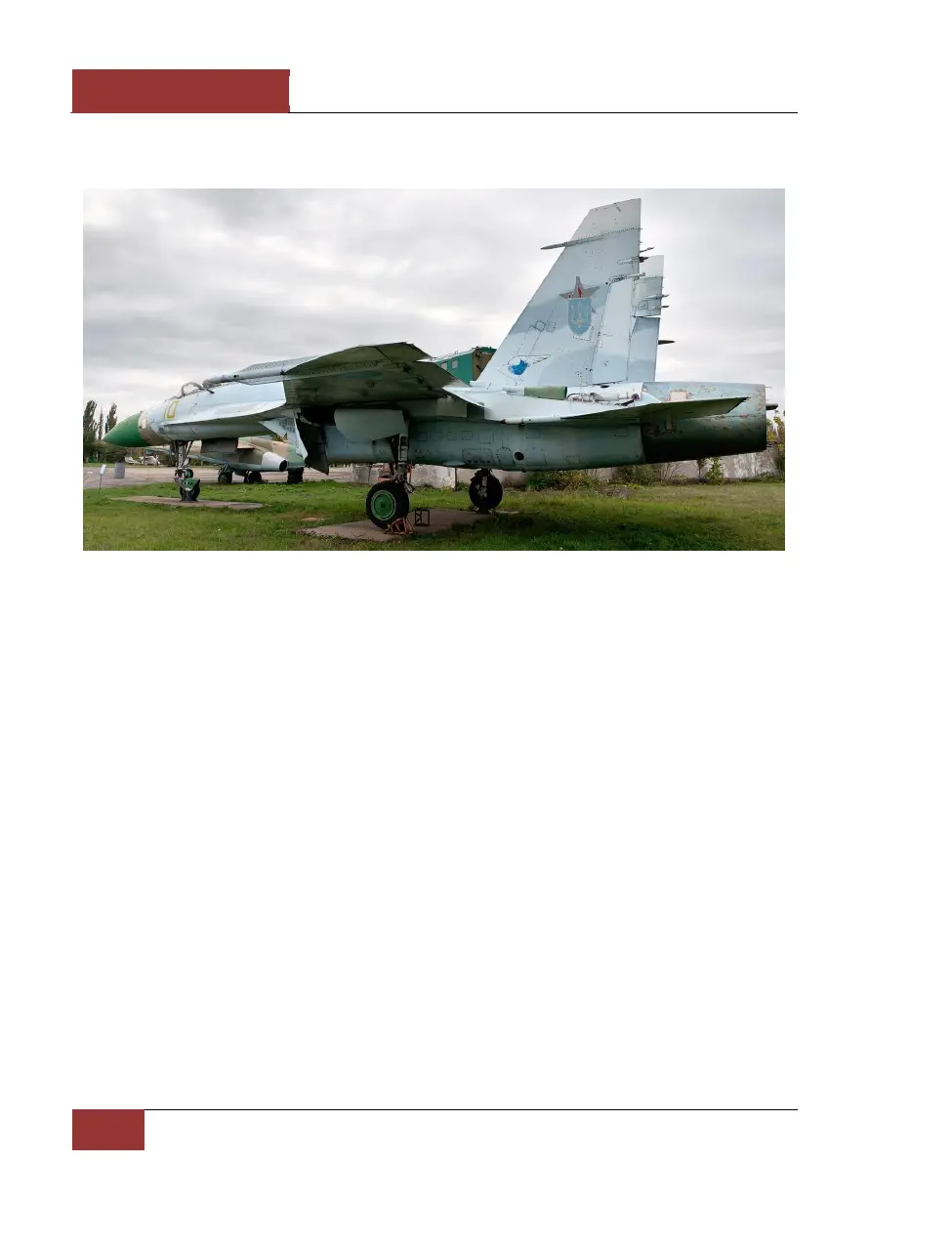
Figure 7: T-10-10 at museum, Lugansk, Ukraine
The necessity of the Su-27 programme's radical reconsideration was looming ahead. Such
fundamental elements of the fighter design as the form and area of the wing, leading-edge extension
configuration, horizontal and vertical control surface arrangement were have to be redesigned.
Mikhail Simonov was a staunch supporter of such an approach but the Aviation Industry Ministry's
brass had a different opinion. Designer Ye.A.Ivanov was not too keen on taking risk by radically
revamping the design. As a result, first Su-27s were tested in their initial configuration. The flight
tests of the T10-1 and T10-3 corroborated to the Siberian aerodynamics experts' doubts. To make up
for the vertical stabiliser effectiveness decrease resulting in a decrease in the fighter's directional
stability at a high AoA, first planes were fitted on the TsAGI advice with top-of-the-wing-mounted
fences. However, the fences reduced the airframe's lifting capacity and negated the advantage of
using the leading edge extension roots.
The T-10 testing also revealed the failure of the fighter's certain characteristics to match those of the
performance specifications. First of all, that was true for the range: the mismatch between the
required and actual ranges exceeded 20 percent. The Designer General reported to the ministry that
there were two main reasons for non-compliance with certain requirements set in the performance
specifications. Firstly, avionics developers failed to meet the weight limits set out in the avionics
performance specifications. The summary avionics excessive weight comprised a few hundred
kilograms, which, naturally, led to the aircraft's overall weight increase, hampered its manoeuvrability
and reduced its range. Secondly, the engine's specific fuel consumption ordered in the performance
specifications had not been achieved by the developer either. Truth be told, the issue was settled
later when the requirements to the engine's specific fuel consumption were found to be a tall order
which could not be met then. In spite of the T-10's considerable deficiencies revealed during the
research and flight tests, Yevgeny Ivanov hoped, nonetheless, for possibility to gradually hone that


 To Next Page