became the first Russian fighter capable of effectively accomplishing missions both in Air Force
tactical fighter and Air Defence Forces interceptor roles. Such versatility was ensured by high
characteristics of the weapons control system, perfect weaponry, as well as superb performances.
The fighters operational in Air Force regiments were sometimes designated Su-27S, while those in
ADF units - Su-27P. However, on the whole they were virtually same aircraft, with their procurement
financed by different MoD directorates (that is why different designations were used, which, by the
way, failed to take root).
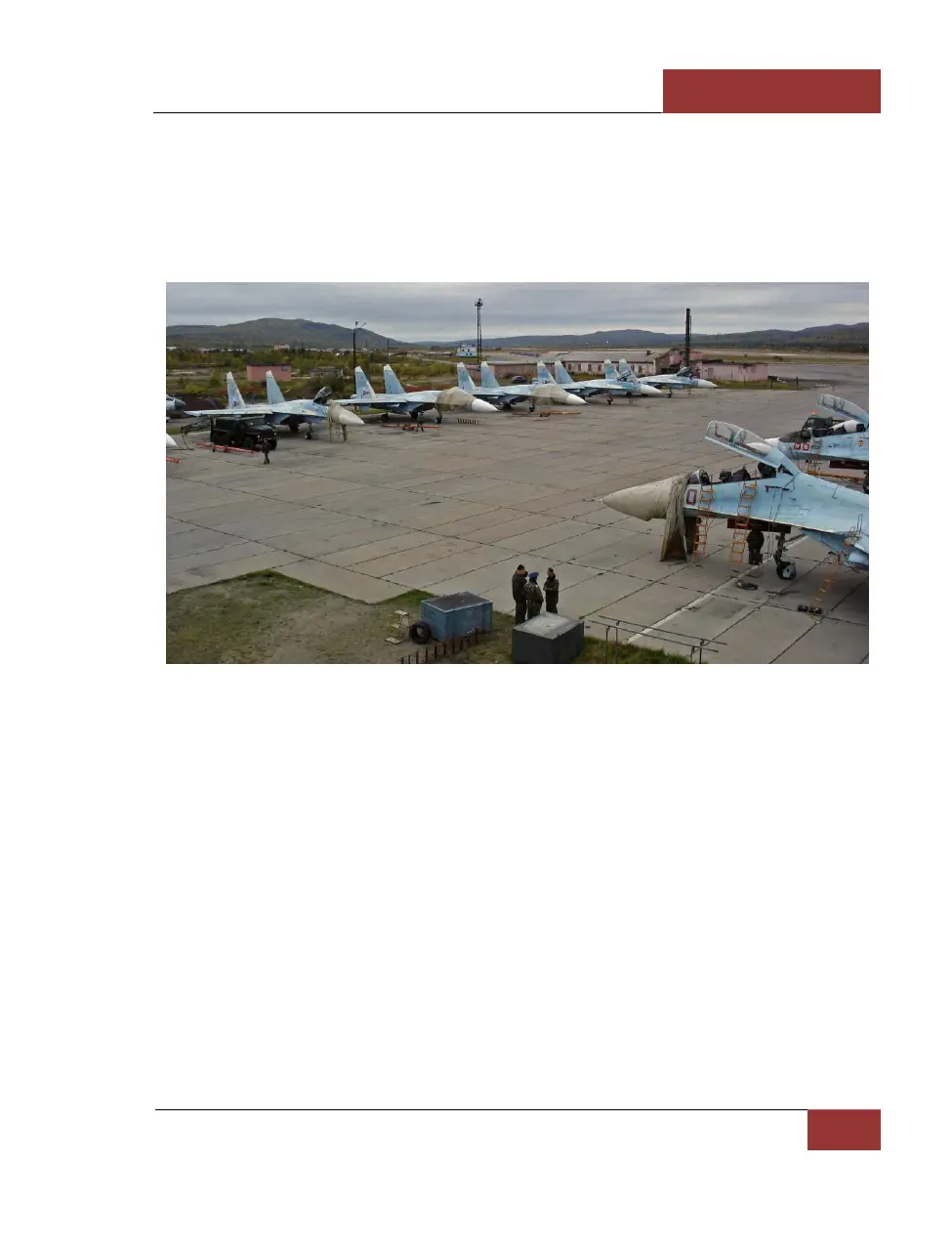
Figure 14: Su-27s in the Kilpyavr airbase (Kola Peninsula)
The ADF fighter regiment stationed in the Far East was the first line unit to adopt the Su-27. The
plant engaged in the aircraft mass production was situated in the same region, which made it
possible to be fast in tackling problems that inevitably arise at the outset of operation of any new
aircraft. Traditionally, Combat Employment and Personnel Retraining Centres (CEPRC) were the first
to fly out new fighters and work out recommendations as to their piloting and combat employment.
They were also responsible for retraining regimental pilots. That is why before the Su-27s became
operational in combat regiments, they had been delivered to the Lipetsk Air Force CEPRC and
Savostleika Air Defence CEPRC. In 1990, the centres operated 15-16 aircraft each. Later, the new
fighters entered service with another training unit - the training regiment of the Krasnodar-based
Higher Joint Flight Technical School.
According to the released information from the Data Exchange Protocol within the framework of the
CFE treaty, in late 1990, there were 367 such aircraft stationed in the European part of the USSR
with 138 fighters in the Air Force inventory and 229 aircraft in service with the Air Defence Forces
fighter regiments. Two Su-27 regiments as part of the Soviet Air Force were stationed abroad - in
Poland, on the Kluchevo-based and Khoina-based airfields; one - in Ukraine, in the city of Mirgorod.
The aircraft of the type were also operated by one of the squadrons of the composite air regiment
based in the Kubinka AFB. In 1991, an aerobatics team, which got a name of Russkiye Vityazi or


 To Next Page