Page 2 of 12 TOTALPAC2
TOTALPAC2 Integrated Fire Protection Systems
Mechanical Section - Deluge System
FM-086G-0-24D
1.3 Placing the system in service:
(Refer to MECHANICAL TRIM DESCRIPTION and TRIM
SCHEMATIC)
1. Verify the following:
a) The system Main Water Supply Control Valve (D1) is
CLOSED.
b) The system has been properly drained.
c) Flow Test Valve (B6) is OPEN.
d) The Emergency Release Valve (B10) is CLOSED.
e) The system water supply piping is pressurized up to
the CLOSED Main Water Supply Valve (D1) and the
priming line is pressurized up to the CLOSED
Priming Valve (B1).
2. Verify that all releasing devices are set and that any
Inspector's test Valve and/or auxiliary drain valves are
CLOSED.
a) OPEN Priming Valve (B1).
3. OPEN Main Drain Valve (D3).
4. PARTIALLY OPEN Main Water Supply Control Valve
(D1).
5. When full flow develops from the Flow Test Valve (B6),
CLOSE the Flow Test Valve.
a) Verify that there is no flow from the open Main Drain
Valve (D3).
6. CLOSE Main Drain Valve (D3).
7. FULLY OPEN and secure the Main Water Supply
Control Valve (D1).
8. Verify that the Alarm Test Valve (B5) is CLOSED and
that all other valves are in their "normal" operating
position (Refer to TRIM SCHEMATIC for details).
9. Depress the plunger of the Drip Check Valve (B7). No
water should flow from the Drip Check when the plunger
is pushed.
10. Check and repair any leaks.
11. On new installations, systems that have been placed out
of service, or where new equipment has been installed,
trip test system to verify that all equipment functions
properly. Refer to MAINTENANCE – ANNUALLY for
instructions.
CAUTION ! Performing a trip test results in operation of the
Deluge/Flow Control Valve. Water will flow into the
sprinkler piping. Take necessary precautions to prevent
damage.
12. After completing the trip test, perform MAINTENANCE –
SEMI-ANNUALLY.
Note: When a valve has been removed from service and is
subject to freezing or will be out of service for an extended
period of time, all water must be removed from the priming
chamber, trim piping, water supply piping and any other
trapped areas.
13. Notify the Authority Having Jurisdiction, remote station
alarm monitors, and those in the affected area that the
system is in service.
Important Settings
Release Piping Pressures.
f Deluge Systems with Pneumatic Release
(also refer to Table 1 below):
.a Provide a minimum 30 PSI (207 kPA) pneumatic
pressure to the pneumatic release system and
Pneumatic Actuator (F3) for system water pressures of
175 psi (1 207 kPa) or less.
.b For system water pressures above 175 psi (1 207 kPa)
and up to 250 psi (1 724 kPa), provide a minimum of 50
psi (345 kPa) pneumatic pressure to the pneumatic
release system and Pneumatic Actuator (F3).
.c Set release system Air Pressure Supervisory Switch
(E3) to activate at 25 psi (172 kPa) on pressure drop for
system water pressures of 175 psi (1 207 kPa) or less.
For system water pressure above 175 psi up to a
maximum of 250 psi (1 724 kPa), set the Air Pressure
Supervisory Switch (E4) to activate at 45 psi (310 kPa)
on pressure drop. Air Pressure Supervisory Switch
(E4) is factory wired to activate an alarm to signal a low
air pressure condition (see AIR OPTION SECTION for
additional details).
Note: The air supply for the pneumatic release piping
system must be provided by the contractor and installed
outside the TOTALPAC2 unit. The air supply must be
restricted to ensure that the automatic air supply cannot
replace air as fast as it escapes when a releasing device or
sprinkler operates. It is also recommended to provide
Inspectors Test Connections on the release system.
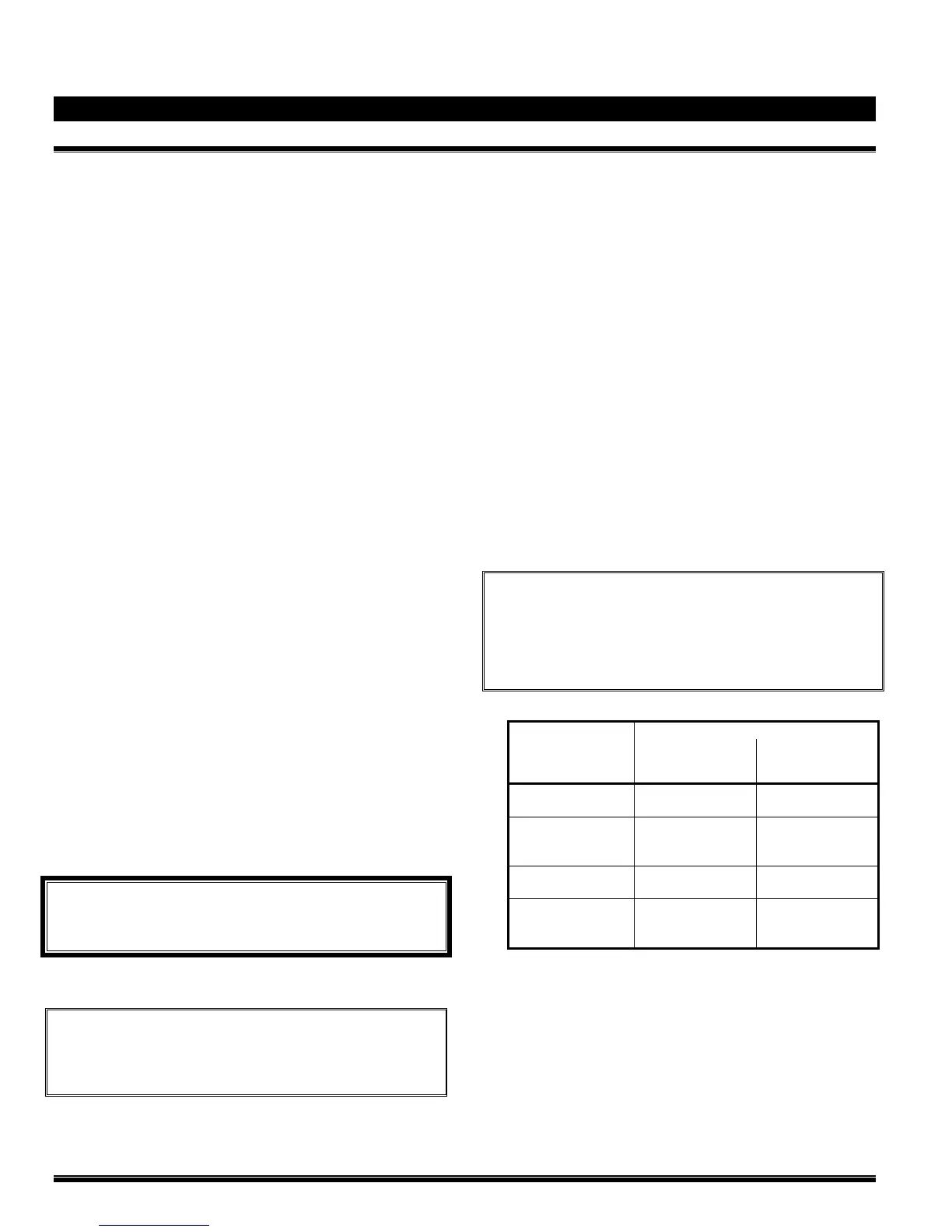
Table 1: Settings for Pneumatic Release Systems.
WATER SUPPLY PRESSURES
DEVICE
Up to 175 psi
(1 207 kPa)
SET TO MAINTAIN
175 psi (1 207 kPa)
to 250 psi (1724 kPa)
SET TO MAINTAIN
Air Maintenance
Device (E5)
30 PSI (207 kPa) 50 PSI (345 kPa)
Release System
Pressure Supervisory
Switch (E4)
25 PSI (172 kPa)
On Pressure Drop
45 PSI (310 kPa)
On Pressure Drop
Nitrogen Supply
Regulator
35 PSI (242 kPa) 55 PSI (379 kPa)
Nitrogen Back-Up
Pressure Supervisory
Switch (E4)
30 PSI (207 kPa)
On Pressure Drop
50 PSI (345 kPa)
On Pressure Drop
.d Alarm Pressure Switch (C1) should activate when
pressurized to 4 to 8 psi (27 to 55 kPa) on pressure
rise. Alarm Pressure Switch (C1) is factory wired to
activate the water flow alarm.


 To Next Page