5.1.2 Foundation control using DO blocks only
Discrete action control is achieved using the DO blocks in the FF CP card. Each DO block output has
a value between 0 and 255. If the host DCS system uses its ‘Boolean Fan In’ function, most of the
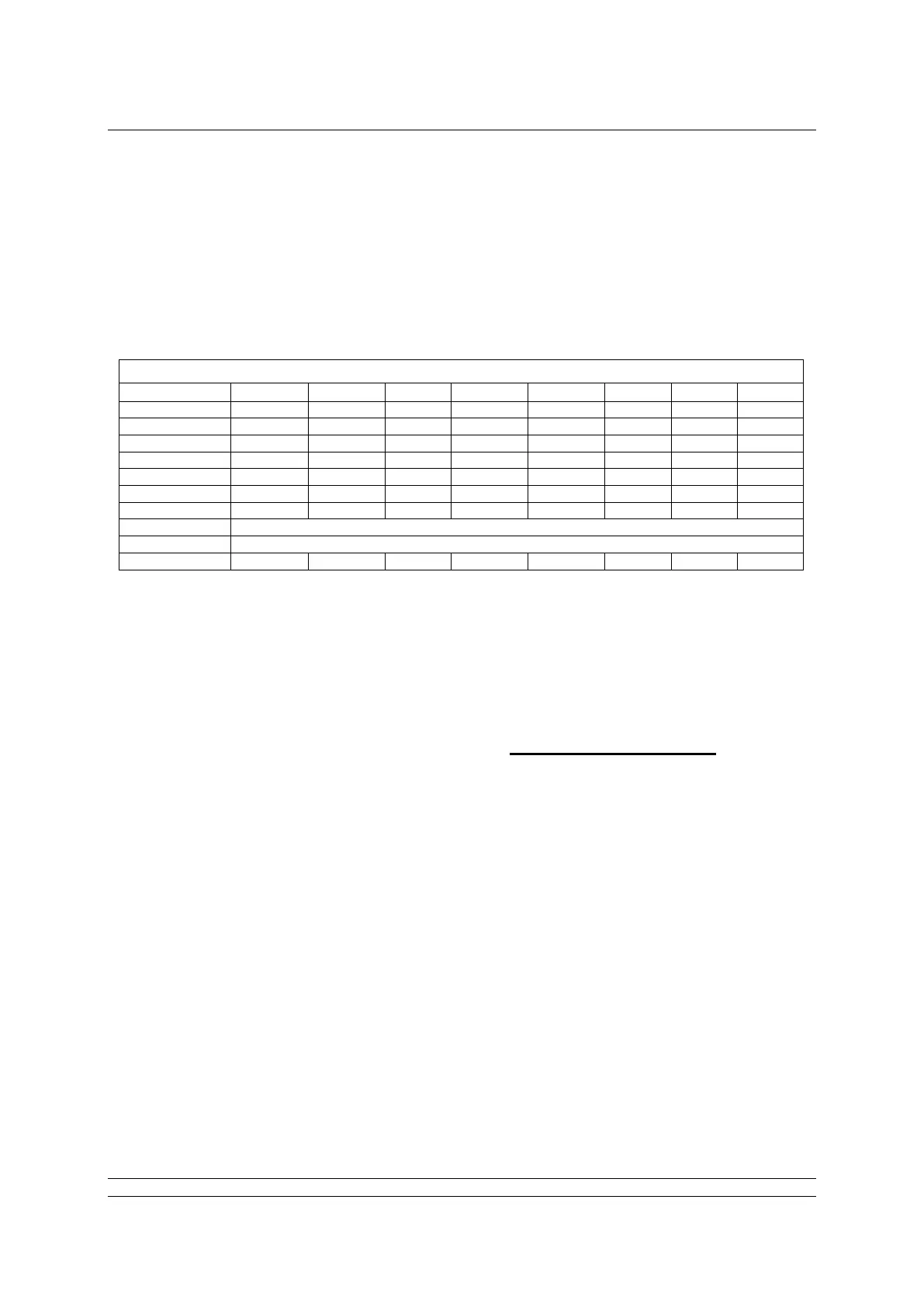
discrete controls can be achieved using one DO block – see table below. The selected block is put in
service and the appropriate value sent to its output. Only one value is permitted at a time in each
block. If Boolean functions are not available, then several blocks may need to be used to achieve the
desired control actions.
Fig 5.4: DO Block Options
Select Multiple/Single bit control in the Transducer block.
Enable the appropriate DO blocks.
If DO 4 is being used, set its mode in the Transducer block.
The Transducer block includes parameters to select single or multiple bit support.
- If multiple bit support is available (using Boolean Fan In) only one block may be used.
- If single bit control is selected, all four blocks can be used but each block uses Bit 0 only.
The action of DO 4 is selected using the mode control parameter in the Transducer block.
5.1.3 Foundation control using the AO block only
In order to place the FF CP card into position control mode, so that the AO block output values
determine the actuator position, it is necessary to set the Control Mode in the Transducer block to
Mode 4. The actuator will then use the value of the AO block output as the setpoint for the internal
positioner and the actuator will move to the setpoint (subject to the status of the Local and Hard-wired
controls, the Interlocks and the actuator deadband and hysteresis settings). Output block DO 4 does
not need to be added to the schedule and can remain set Out of Service (OOS).
Set the Mode Control in the Transducer block to Mode 4.
Set the positioner parameters (hysteresis, deadband, motion inhibit time etc.).


 To Next Page