ignal, the VOLTAGE display will show “SO” to indicate the unit state. J1 contact
nal input and contacts 2 and 3, IF_COM, are the signal return (connected internally). Contacts 2, 3
and 15 are optically isolated from the power supply output.
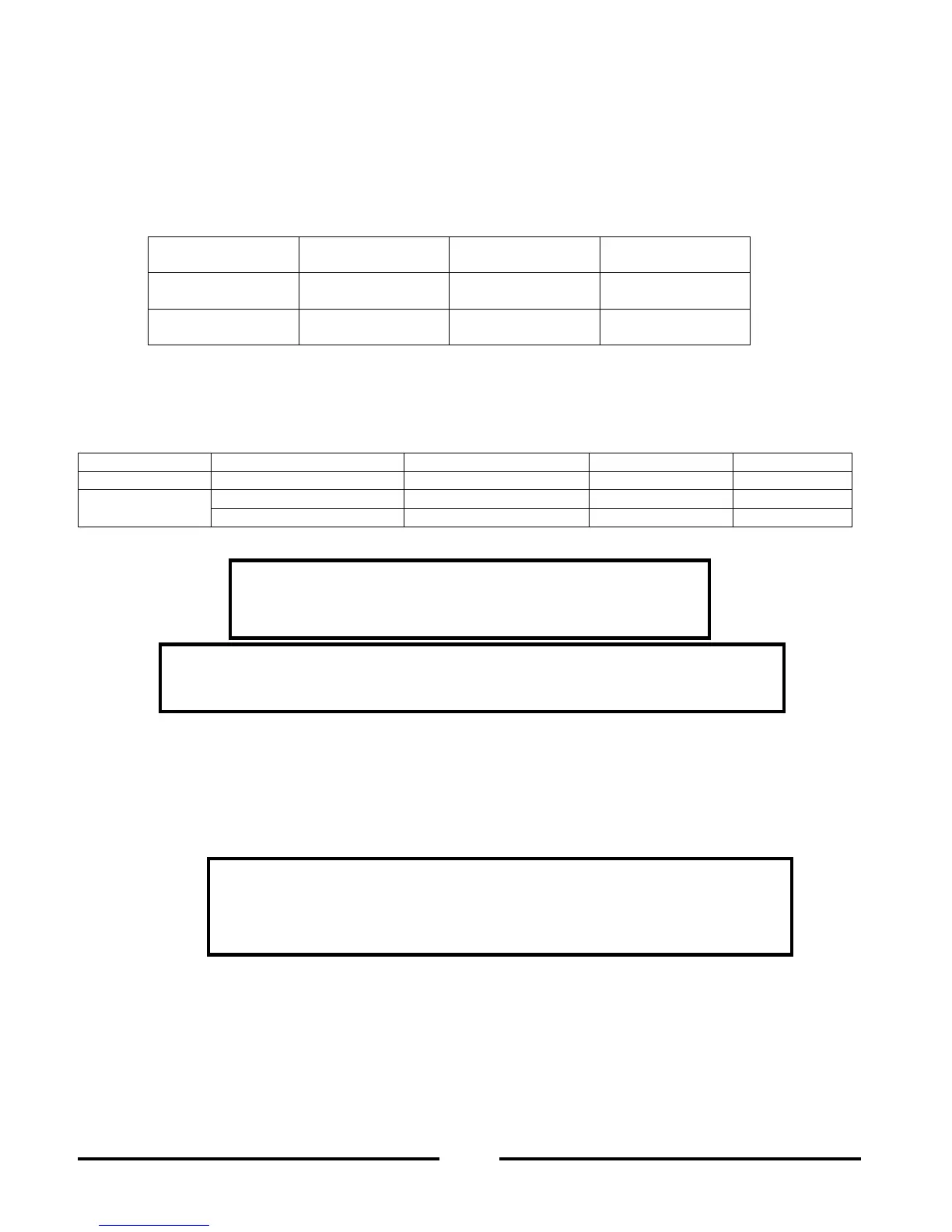
The SO control logic can be selected by the rear panel SW1 Setup switch. Refer to Table 5
5.8 ENABLE/DISABLE CONTROL VIA REAR PANEL J1 CONNECTOR
Contacts 1 and 14 of J1 (Fig.4
2, item 5) serve as Output Enable/Disable terminal
s by switch or relay. This fun
tion is enabled or disabled by the SW1 Setup switch position 9. Refer to Table 5
able/Disable function and
3: Enable/Disable function and SW1 setting
CV/CC signal indicates the operating mode of the power supply, Constant Voltage or Constant Cu
CV/CC signal is an open collector output with a 30V parallel zener, at J1
13, referenced to the COM potential
12 (connected internally to the negative sense potential). When the power supply operates in Constant Vol
age mode, CV/CC output is o
pen. When the power supply operates in Constant Current mode, CV/CC signal ou
0.6), with maximum 10mA sink current.
PS_OK signal indicates fault condition in the power supply. PS_OK is a TTL signal output at J1
2, 3 (Isolated Interface Common). When a fault condition occurs, PS_OK level is low, with max
mum sink current of 1mA; when no fault condition occurs, PS_OK level is high with maximum source current of
2mA. The following faults will set
the PS_OK to Fault state:
*IEEE failure (With optional IEEE interface)
To prevent possible damage t
o the unit, do not connect any of the
Enable/Disable inputs to the positive or negative output potential.
If the Enable/Disable inputs are opened when the unit
is in Safe Start mode, it is r
quired to short the Enable/Disable inputs and then press OUT button or send OUT1
command to resume operation.
Do not connect CV/CC signal to a voltage source higher than 30VDC,
Always connect CV/CC signal to the voltage sou
to limit the sink current to less than 10mA.



 To Next Page