162 4-5 Driving Auxiliary Functions
■ Regardless of whether there are vehicles ahead or not, the vehicle will
be maintained near the center of the lane.
2. If the vehicle travels from a road with clear lane to a road with unclear lane
no lane:
■ Regardless of whether there are vehicles ahead or not, the ICC will be
limited, and only ACC will be carried out.
■ When the system is turned on, if the driver's hands are away from the
steering wheel around 15S, the system will prompt the driver to "please
take over the steering wheel", if the driver does not take over, it will exit ICC
mode
■ The ICC system is a driving assist system rather than autonomous driving
system. Therefore, the driver should always keep the vehicle under control
and should not move hands away from the steering wheel for a long time,
otherwise the system will quit after taking over the reminder.
■ The ICC system is affected by weather, illumination, and clarity of lane line.
When you drive in shadowed area, at sunset or on road covered with snow
and ice or severely worn, the performance will reduce significantly.
■ As the ICC system functionally integrates the ACC and LKS, relevant
precautions for ACC and LKS should also be observed when it is used.
Blind Spot Detection*
The blind spot monitoring system(BSD) has five functions: blind spot monitoring,
side assist, rear cross traffic alert, rear collision warning, and door opening
warning*. This system mainly utilizes radar sensors to judge the current traffic
conditions and timely warns the driver to drive carefully and pay attention to
driving safety.
Operation method
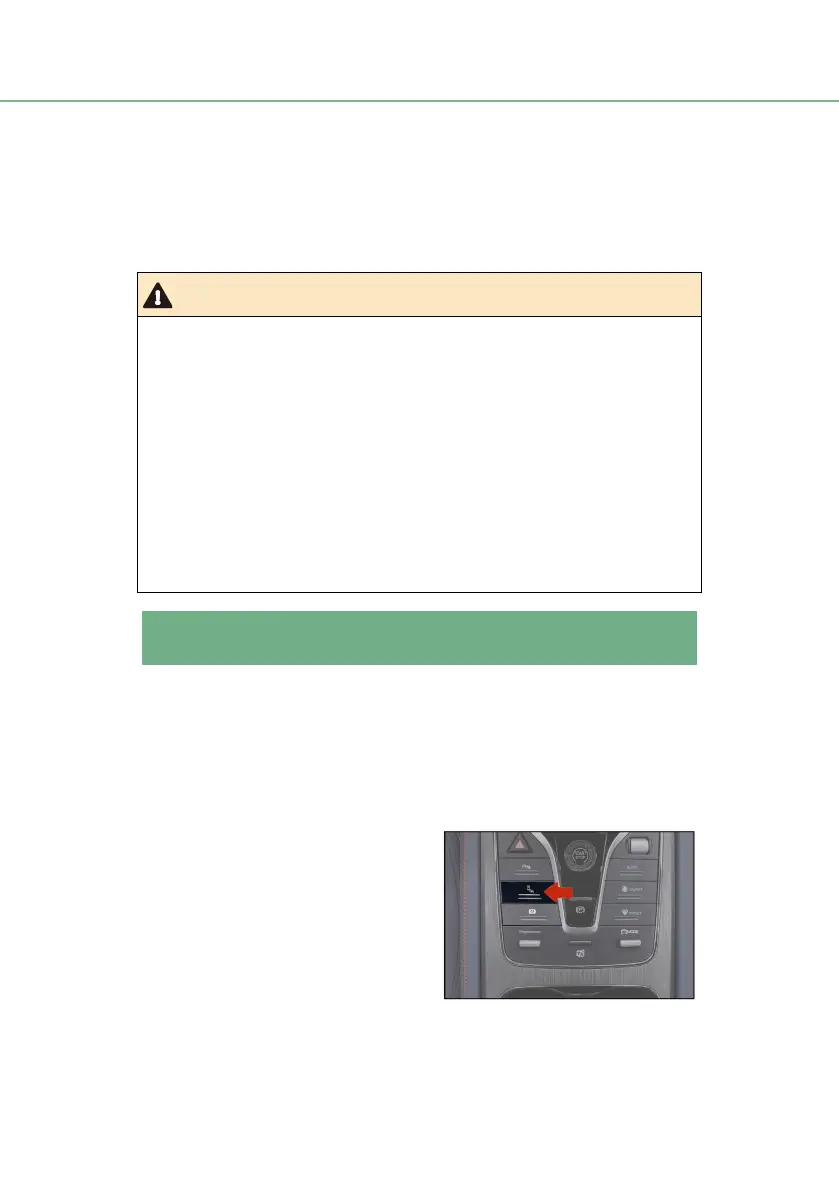
Users can turn on or off the blind spot
monitoring system function through the
physical switch * or multimedia
Dipilot
setting interface. When the vehicle starts,
the system defaults to the last setting
state.



 To Next Page