2 • Safety Information | Dexcom G7 User Guide 11
Avoid areas:
l
With loose skin or without enough fat to avoid muscles and bones.
l
That get bumped, pushed, or you lie on while sleeping.
l
Within 3 inches of infusion or injection site.
l
Near waistband or with irritations, scarring, tattoos, or lots of hair. If needed, trim
site with electric clippers.
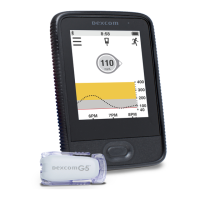
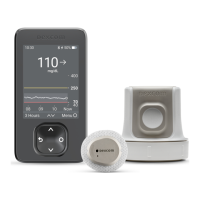
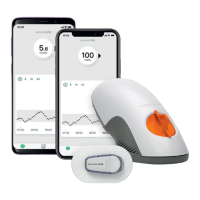
Use correct components: Dexcom G7 CGM System components aren't compatible
with any previous Dexcom products. Don't mix with different generations.
Going through security check point: You can wear the Dexcom G7 CGM System
sensor for the walk-through metal detector and Advanced Imaging Technology (AIT)
body scanner. If you do, use your BG meter for treatment decisions until you leave the
security area. This is because the Dexcom G7 CGM System hasn’t been tested with
every x-ray and security scanner and you may not be able to bring a display device.
You can also ask for hand-wanding or full-body pat-down and visual inspection
instead of going through any walk through body scanners or putting any part of the
Dexcom G7 CGM System in the baggage scanning machine.
Interfering substance risks
l
Hydroxyurea precaution
Hydroxyurea is a medication used in the treatment of diseases including cancer
and blood disorders; it is known to interfere with sensor readings.
If you are taking hydroxyurea, your sensor readings will be higher than your actual
glucose, which could result in missed hypoglycemia alerts or errors in diabetes
management, such as giving yourself a higher dose of insulin due to falsely high
sensor glucose values. The level of inaccuracy depends on the amount of
hydroxyurea in your body. Don't use your G7 System for diabetes treatment
decisions if you are taking hydroxyurea. Talk to your physician about alternative
glucose monitoring approaches.


 To Next Page