l
Acetaminophen precaution
In previous generations of Dexcom CGM systems (G4/G5), acetaminophen could
affect your sensor readings, making them look higher than they really were.
However, with the Dexcom G7 CGM System, you can take a standard or maximum
acetaminophen dose of 1 gram (1,000 mg) every 6hours and still use the sensor
readings to make treatment decisions. Taking higher than the maximum dose of
acetaminophen (e.g. > 1 gram every 6hours in adults) may affect the sensor
readings and make them look higher than they really are.
Keep your sensor close to display device: Keep your sensor and display device
within 20feet with no obstacles between them. Otherwise, they might not be able to
communicate.
Get alerts on display device you use: To get your alerts, set them on the display
device you use. Your receiver won't get the alerts you set in your app. Likewise, your
app won't get the alerts you set on your receiver.
Display device is on: Make sure your display device is turned on or you won't receive
sensor readings or alerts.
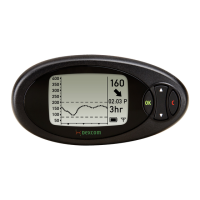
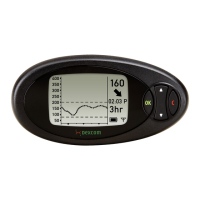
Test speaker and vibrations: Test your receiver speaker and vibrations regularly.
To make sure the speaker and vibrations work, plug in the receiver to charge. The
Speaker Test screen appears for a few seconds. Follow the directions on the screen to
test the speaker and vibrations. If it doesn't beep and vibrate, contact technical
support (in the app, go to Profile > Contact) and use your app or BG meter until the
receiver is fixed.
Keep receiver clean and dry: Don't submerge your receiver in water and don't get
dirt or water in the USB port. That could damage it.
Cautions
Requires prescription: U.S. law restricts the sale of the Dexcom G7 CGM System to
sale by, or on the order of, a physician.
12


 To Next Page