RB-RBC-IOMM-2015-1
Fulton Ltd
Page 11
INSTALLATION - 2
2.9 WATER SUPPLY
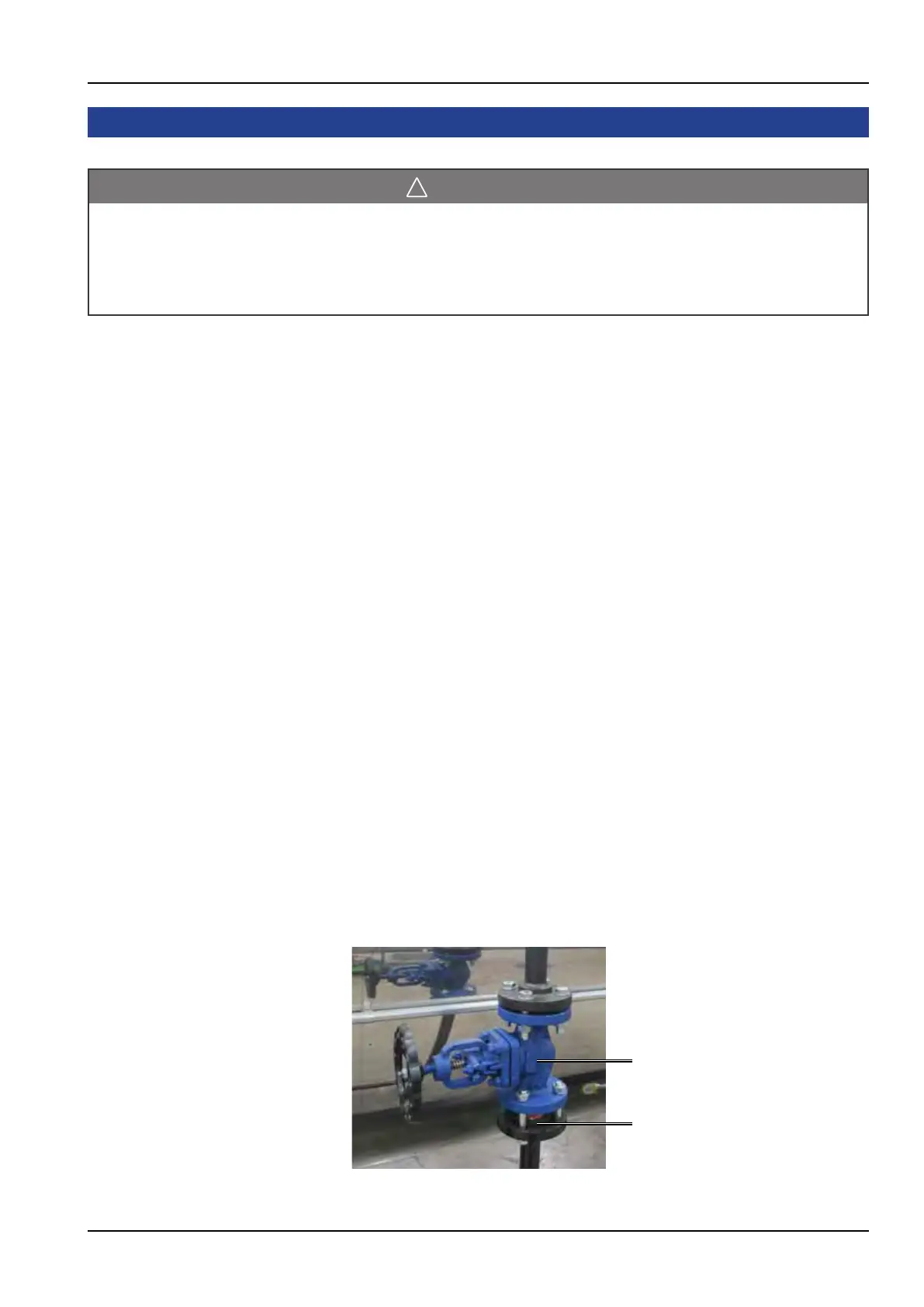
Figure. 8 - Boiler Feedwater Inlet Valve
The quality of the feedwater will affect the life and performance of a steam boiler.
Steamisproducedbyheattransferfromtheheatsourceintothewaterconnedwithintheboiler
cylindrical shell, by the passage of hot gases through the furnace and tubes. It should be noted
that solids entering the boiler with the feedwater can rapidly concentrate at areas of high heat
transfer. Such deposits can restrict heat transfer and consequently raise mean metal temperature,
which can cause corrosion and reduce safety margins possibly to the point of failure.
It is therefore strongly recommended that a reputable water treatment specialist is consulted prior
to putting the boiler into service.
Note: See Appendix A - TI-140-Recommended Water Conditions.
WatercharacteristicsaregenerallyasspeciedinBS24861997“TreatmentofWaterforSteam
Boilers and Water Heaters”, Table 2.
Boilers operating in areas with high residual hardness, high levels of Bicarbonate (temporary)
hardnessandlowcondensatereturnrates,willhavedifcultyinmaintainingTotalandCaustic
Alkalinity(TDS)gures,withinthespeciedlimitswhenbaseexchangesofteningisused.
This will result in a tendency of the boiler water to foam causing unstable water level conditions
possibly leading to priming and carry over. In these instances particular care should be taken to
establish a suitable water treatment programme and blowdown schedule in consultation with your
water treatment specialist.
Cold feedwater contains high levels of dissolved oxygen which is highly corrosive when released
within a steam boiler. Always pre-heat the feedwater to 80 °C - 85 °C to reduce dissolved oxygen
to a minimum and prevent thermal shock. Water treatment chemicals should be used to remove
the remainder of the dissolved oxygen.
Failure to do so will result in premature failure of the boiler tubes which will not be covered by
guarantee.
Feedwater inlet
check valve
Feedwater inlet valve
CAUTION
WATER SOFTENER and CHEMICAL TREATMENT
The chemicals required to operate the water softeners and chemical treatment plants
CAN BE SUPPLIED by Fulton. It is the responsibility of the operator to ensure adequate supplies
of chemical are available at all times (including commissioning). Costly repairs could be required
should the plant operate without chemicals or the wrong dosage of chemicals.




 To Next Page