TP-6277 10/0354 Installation
6.7.5 Battery
Batteries and their installation must conform to USCG
Regulations 183.420 (a) through (g). Provide generator
sets with batteries separate from the propulsion engines
whenever possible. The starting/charging systems of
both the generator set and the engine must have a
common negative ( −) ground.
USCG Regulation 183.415, Grounding requires
connection of a common conductor to each grounded
cranking motor circuit. Size the conductor to match the
larger of the engine’s two battery cables. Figure 6-23
lists cable sizes for generator set battery connections at
various ambient temperatures. Connecting a common
conductor to each grounded cranking motor circuit
prevents the starting motor current from using
alternative electrical paths should the cranking motor
ground circuit be restricted or open because of oxidation
or loose hardware. Alternative electrical paths include
metallic fuel lines that can pose a fire hazard. See
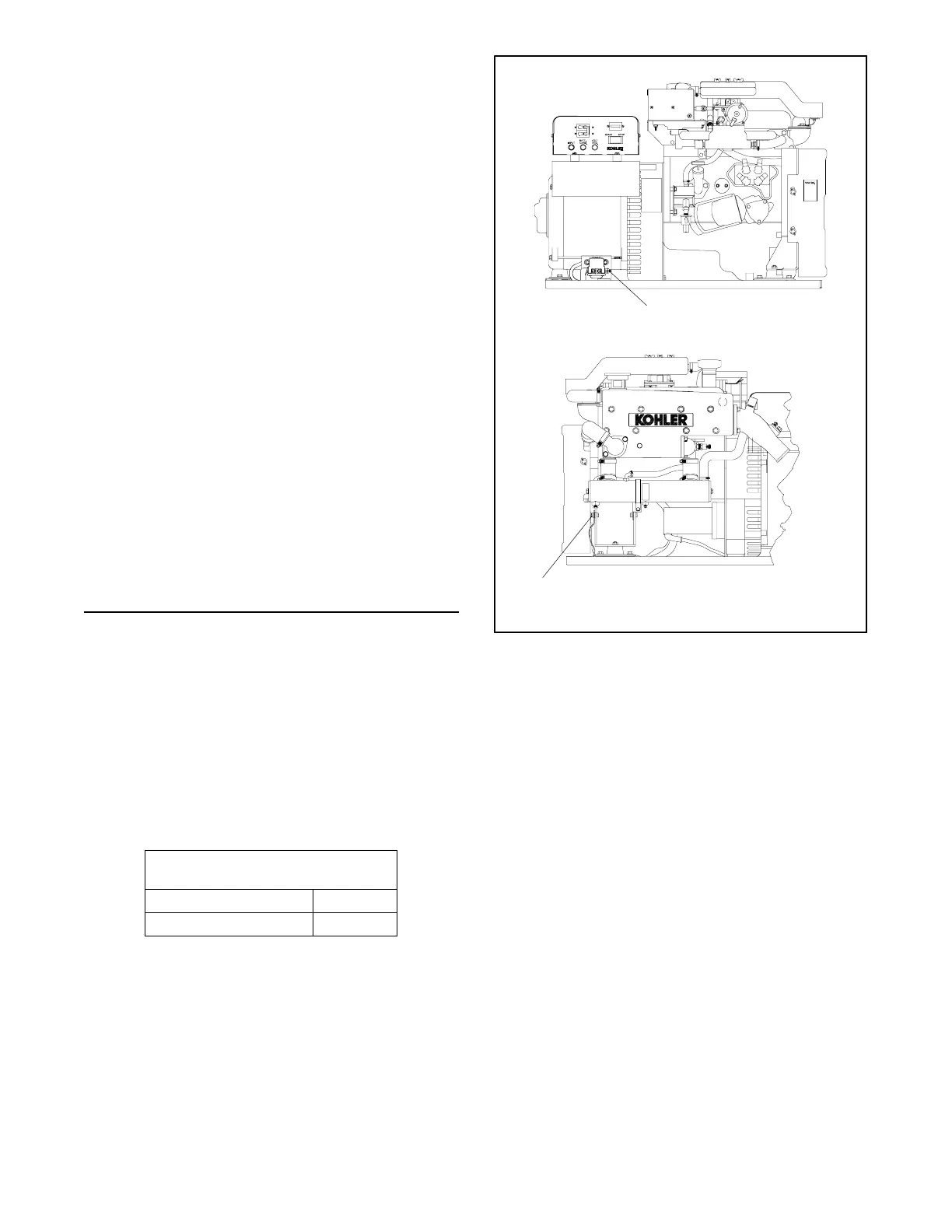
Figure 6-25 for battery connections to generator set.
Kohler Co. recommends using one 12-volt battery to
start the generator. See Figure 6-24 for minimum cold
cranking amps (CCA) recommendations.
Distance Between Cable Size (AWG)
Generator Set and
Battery m (ft.)
At -18 °C
(0° F)
At 0° C
(32° F)
At 24° C
(75° F)
12.2 (40)
00 0 1
9.1 (30) 0 1 2
7.6 (25) 1 2 4
6.1 (20) 2 2 6
4.6 (15) 2 4 6
3.0 (10) 4 6 8
1.5 (5) 6 6 8
0.8 (2.5) 8 8 8
Figure 6-23 Battery Cable Sizes
12-Volt Starting Battery Size CCA
(at --18°C(0°F) or 100 Amp Hr)
Models CCA
8/10/12.5E 250
Figure 6-24 Battery Recommendations
ADV-5661-C
1
2
1. Battery connection (positive)
2. Ground lug, battery connection (negative)
Nonservice-Side View
Service-Side View
Figure 6-25 Battery Connection
6.7.6 Wiring
Use only stranded copper wire. Conform to USCG
Regulations 183.425 through 183.460 for wire gauges
and insulation, conductor temperature ratings, sheath
stripping, conductor support and protection, conductor
terminals and splices, and overcurrent protection
(circuit breakers, fuses). Use rubber grommets and
cable ties as necessary to protect and secure the wire
from sharp objects, the exhaust system, and moving
parts.



 To Next Page