OMEM710 Hardware Manual 2v11
52
Gearshifts using the clutch
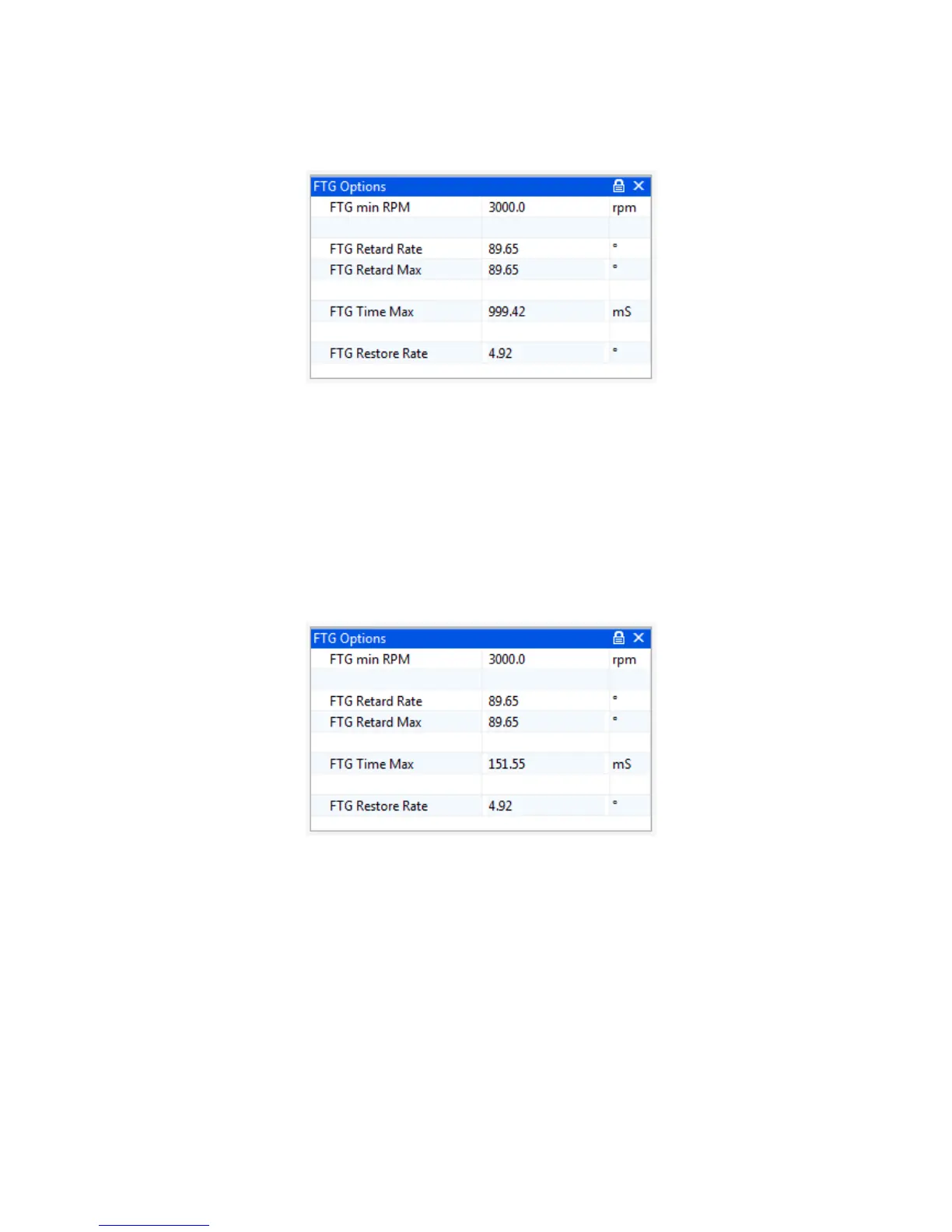
When the clutch is used for gearshifts, the input for the FTG will be a switch on the clutch. In this
situation FTG Time Max does not want to be used and so is set to 1000, meaning the shift is ended
when the switch is turned off.
Tuning the FTG is simply adjusting the FTG Restore Rate for best feel. A higher value restores the
power at a faster rate meaning you get back to full power quickly but you can get a shock through
the drivetrain. A lower value restores the power at a slower rate so reduces shocks but too low can
waste time where you could be at full power.
Gearshifts without the clutch (sequential gearboxes)
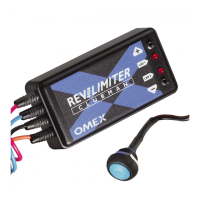
When no clutch is used, the input for the FTG will be a switch on the gear lever. Typically, the
gearbox will be in gear when the lever is pulled to full travel and can then take drive before the lever
is released. Therefore, the switch will not be released so we cannot use the switch going off as the
end point of the shift; we must use a timer.
Tuning the FTG involves tuning the length of FTG and the rate of the power restore at the end of the
FTG. As there is no feedback to the ECU of whether the gearbox is in gear, the FTG Time must be
set to the longest typical gearshift. Start tuning using a large value at first. Restoring the power is
controlled by FTG Restore Rate which is adjusted for best feel. A higher value restores the power at
a faster rate meaning you get back to full power quickly but you can get a shock through the
drivetrain. A lower value restores the power at a slower rate so reduces shocks but too low can
waste time where you could be at full power.


 To Next Page