MX-5050 Operation and Maintenance Manual
May 1992
Section 1 Introduction
1 - 3
Features of the MX-5050 Series
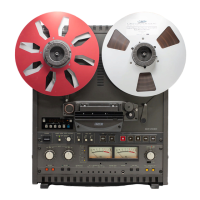
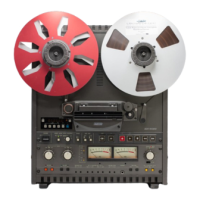
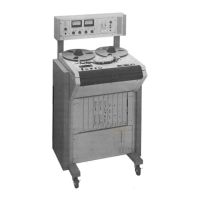
In addition to the usual tape recorder functions, the MX-5050 series has
various additional features. All MX-5050 series tape recorders have the
OTARI Standard Parallel I/O connector which allows for post production
editing work with a synchronizer using time code. The tape timers include a
Mini Locator for more advanced locator functions.
In addition to these functions, these machines also have the following
features: Sel-Rep (Selective Reproduce), Edit mode function which permits
tape spilling, CUE monitoring which enables monitoring the tape in F.FWD or
RWD mode, Standby function for easy multi-channel recording, and Variable
Pitch Control function (±20%).
1.2 Using This Manual
1.2.1 Organization
This manual is divided into ten sections as follows.
Section 1 Introduction
This section describes the features of the MX-5050 series tape recorders and
the structure of this manual.
Section 2 Installation
This section describes the procedures for unpacking and hooking up the
machine. This section also includes the DIP switch presettings.
Section 3 Controls and Indicators
This section describes the name and function of each control. The connector
pin assignments are also included.
Section 4 Operation
This section explains each mode of the machine and the basic procedures for
reproducing and recording a tape.
Section 5 Maintenance
This section describes procedures for daily maintenance.
Section 6 Transport Adjustment and Parts Replacement
This section describes the adjustment procedures for transport mechanisms
and replacement procedures.
Section 7 Audio Alignment
This section describes the electrical adjustment of the Reproduce and Record
circuits.
Section 8 Specifications
This section of the manual contains the operating specifications for MX-5050
series tape recorders.
Section 9 Exploded Views and Parts Lists
This section of the manual contains assembly drawings of the machine
"exploded" to show internal parts and hardware, and the order of assembly.
Each exploded view is keyed to an accompanying parts list showing Otari
part numbers and descriptions for all mechanical components.





 To Next Page