2.13 Inverse time operation
VAMP 24h support phone +358 (0)20 753 3264
IEEE/ANSI inverse time operation
There are three different delay types according IEEE Std
C37.112-1996 (MI, VI, EI) and many de facto versions
according Table 2.12.1-3. The IEEE standard defines inverse
delay for both trip and release operations. However, in the
VAMP relay only the trip time is inverse according the
standard but the release time is constant.
The operation delay depends on the measured value and other
parameters according Equation 2.13.1-1. Actually this equation
can only be used to draw graphs or when the measured value I
is constant during the fault. A modified version is implemented
in the relay for real time usage.
Equation 2.13.1-1
B
I
I
A
kt
C
pickup
1
t = Operation delay in seconds
k = User‟s multiplier
I = Measured value
I
pickup
= User‟s pick up setting
A,B,C = Constant parameter according Table 2.13.1-3.
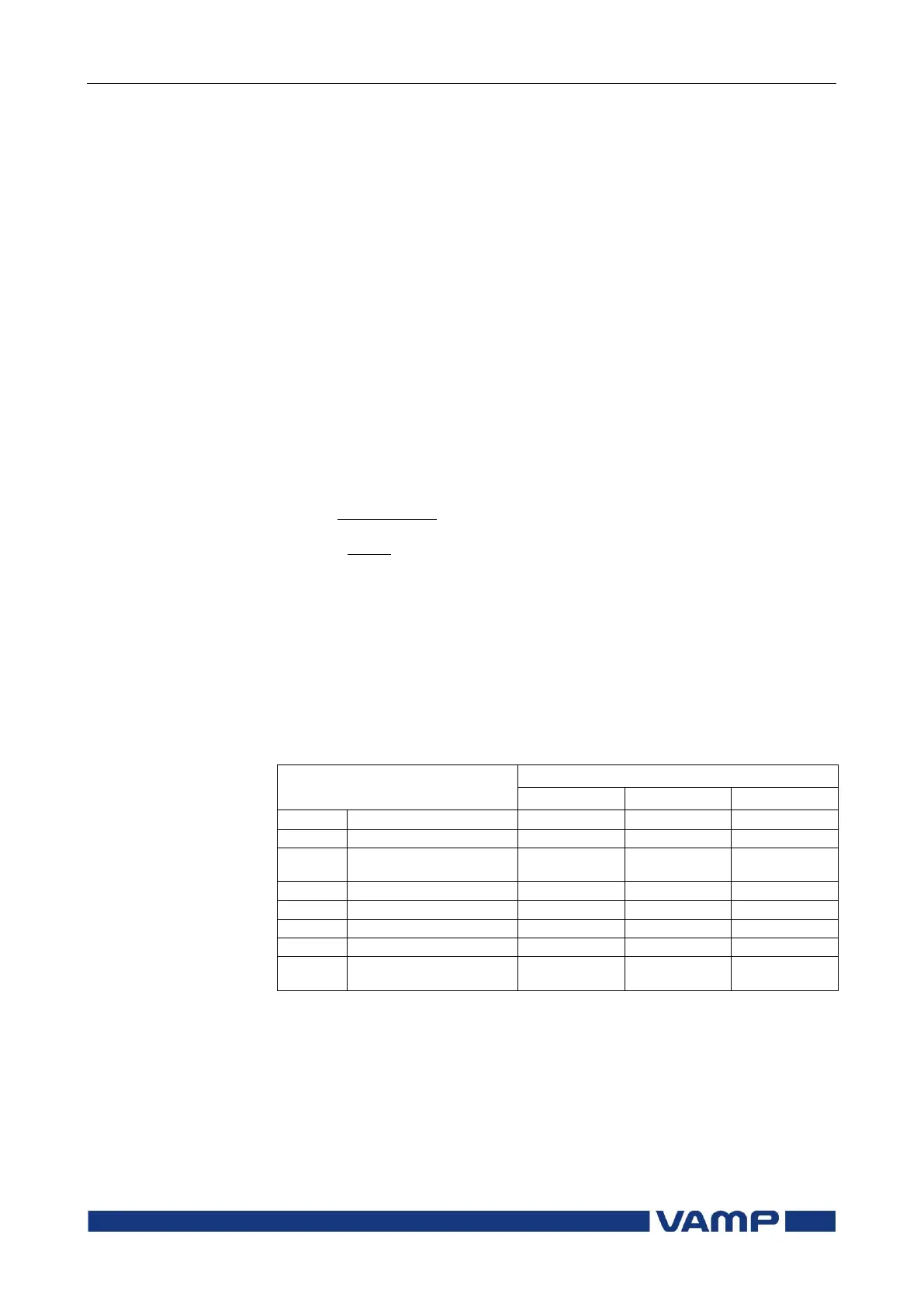
Table 2.13.1-3 Constants for IEEE/ANSI inverse delay equation
Long time extremely
inverse
Short time extremely
inverse


 To Next Page