Index
130 025-9567E
Table 30. Interface Connections - Computer Priority Option
Model 25 Computer
Signal Pin Signal
RMT-CTL 9
RTS
RX-DATA 4
TX-DATA
TX-DATA 3
RX-DATA
GROUND 5
GROUND (signal)
The Computer Priority option uses only the four main signals of the computer port. The TX-
DATA
of the encoder feeds the RX-DATA of the computer and vice-versa. The computer may
control the RMT-CTL signal (and thus the operating mode) via its RTS (request-to-send)
signal or some other computer controllable RS-232 output. Typically, the computer would
leave the encoder in the instant call mode (RTS at mark level) when not requiring the
encoder. This would allow normal operator control until the computer required it, at which
time the computer could take over control by placing the encoder in the remote control mode
(RTS at space level). The computer would only return control to the operator when all calls
that were computer initiated had completed. This option has the advantage of giving the
computer the priority, which is important, if the computer handles the emergency dispatching
and the operator handles normal traffic. This option has a disadvantage because a crash of the
computer could disable the encoder until the computer could be disconnected from the
encoder.
A
DTR
A
A
B
B
B
1
9
4
source of “space”
source of “mark”
TX-Data
CTSRMT-CTL
RX-Data
Encoder Computer Port Computer Connector
3
5
TX-Data
Ground
TX-Data
RX-Data
Ground (signal)
(Optional)
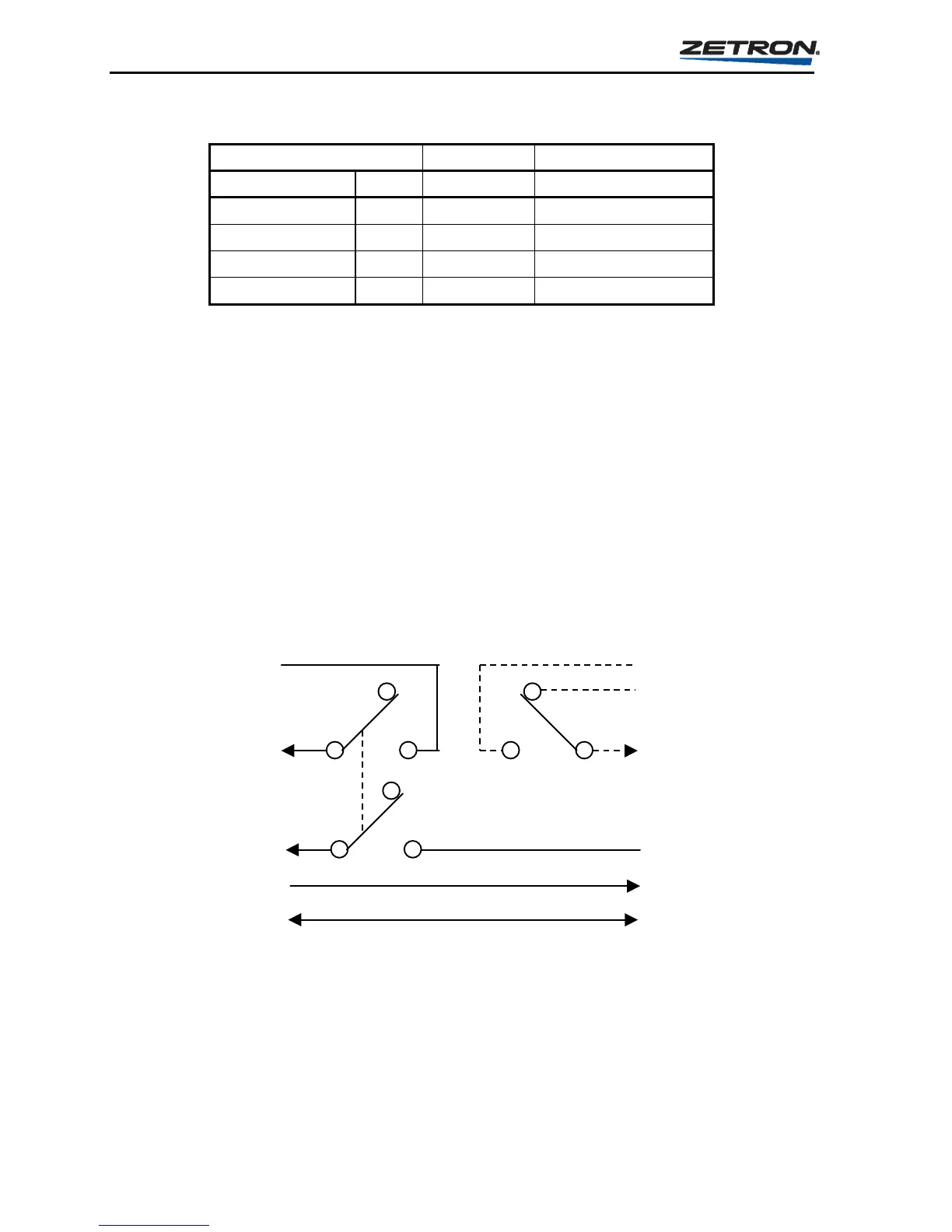
Figure 16. Interface Connections - Operator Priority Option
The Operator Priority option uses a DPDT toggle switch to both control the
RMT-CTL signal
(and thus the operating mode) and isolate the RX-DATA signal from the computer. The
switch could be mounted on the computer port cover so that it is easily accessible by the
operator. With the switch in the “A” position the
RMT-CTL and RX-DATA signals are open.
The internal RS-232 receivers interpret an open condition the same as a mark level, thus the
encoder is in the instant call mode (or operator/local mode). The RX-DATA signal is isolated


 To Next Page