Page 93
State of XSVF File
Implementation
The XSVF file support has been implemented in
accordance with the "XAPP503, Appendix B: XSVF File
Format" specification available at the Xilinx website with
the following limitations:
• XSETSDRMASKS, XSDRINC and XSIR2 commands are
not implemented.
• Only the XSVF file format is recommended for
programming the Xilinx XC9500/XV/XL families.
We seriously recommend using an SVF file for all
architectures except XC9500/XV/XL. For XC9500/XV/XL
programming, the use of the XSVF format is
recommended as the SVF format does not include the
XREPEAT command, which is necessary for XC9500/XV/XL
programming.
Warning: Executing a file containing the XREPEAT
command may be very slow.
8.1.3 Programming
Connector
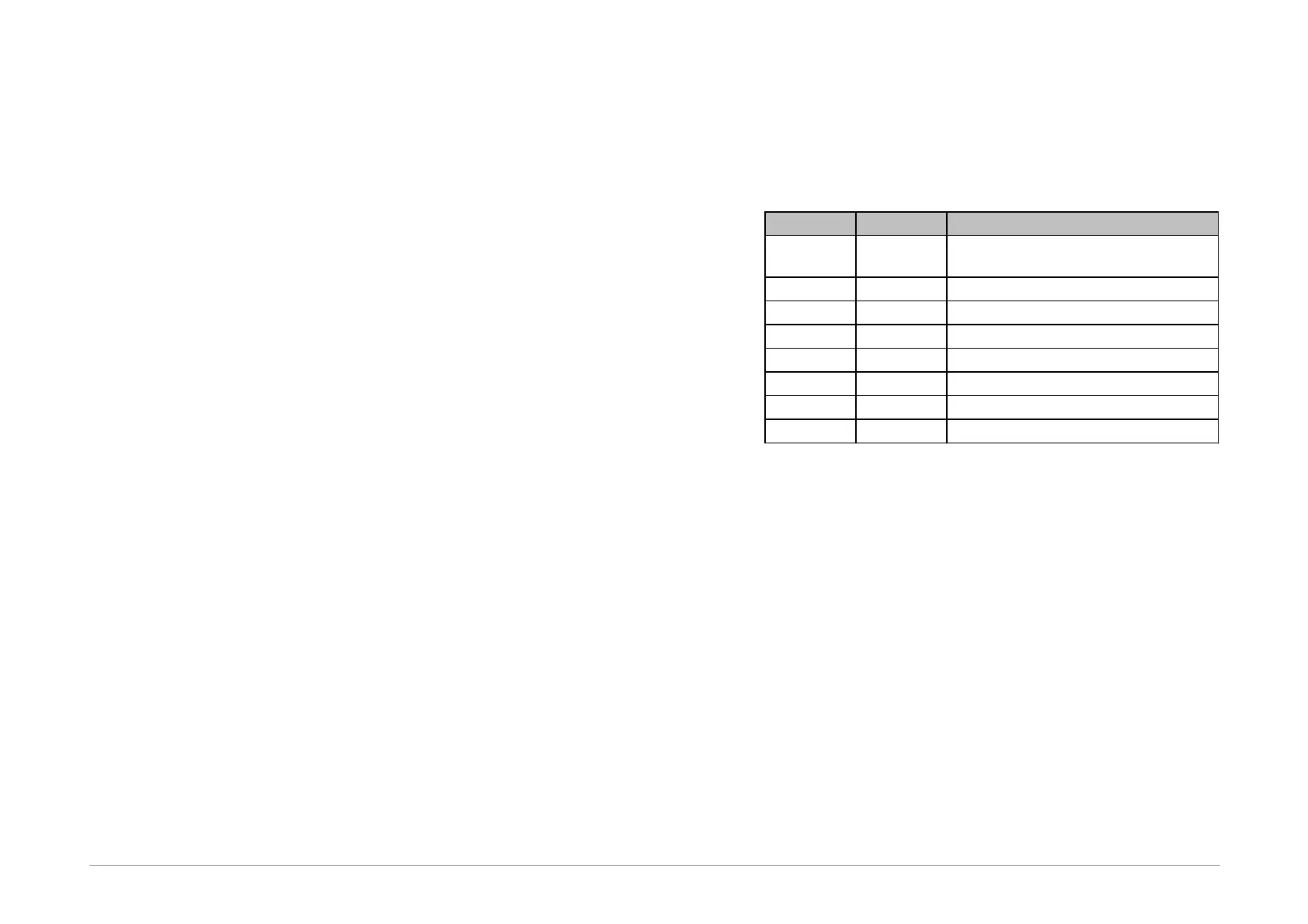
The following table describes the functions of PRESTO's
and FORTE's pins for programming by means of the JTAG
interface.
SCK (System Clock)/User defined state
during file execution and after.
JTAG TMS (Test Machine State)
Table14: J TAG programming connector
8.2
Settings
This chapter explains the meaning of different settings in
Options ➙ Program Options.
8.2.1 Default TCK signal
frequency
This frequency of the TCK clock is used until the JTAG
Player reaches the first FREQUENCY command in the SVF
file or until the FREQUENCY with the "default" value is
reached.
The XSVF file format does not support the FREQUENCY
default command. Therefore frequency defined by
Default TCK Signal Frequency parameter is applied to
all operations.


 To Next Page