external E1/T1 interface, preventing data traffic from using the external E1/T1 interface at
all.
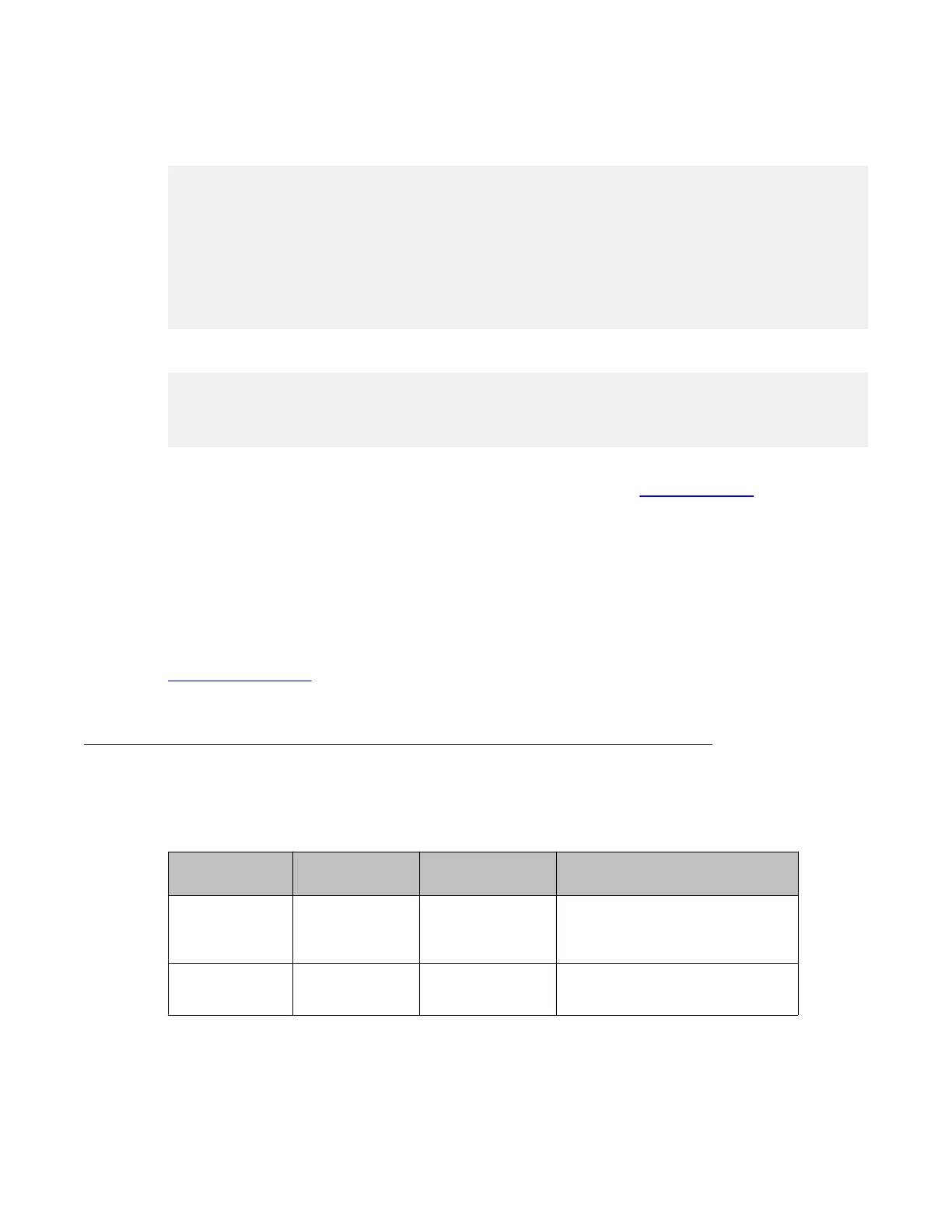
G430-001(super)# ip next-hop-list 2
G430-001(super-next hop list 2)#name “Data-To_HQ”
Done!
G430-001(super-next hop list 2)#next-hop-interface 1 Tunnel 1
Done!
G430-001(super-next hop list 2)#next-hop-ip 2 <external Layer 3 router IP address>
Done!
G430-001(super-next hop list 2)#next-hop-interface 3 Null0
Done!
G430-001(super-next hop list 2)#exit
G430-001(super)#
Finally, the next set of commands applies the PBR list to the data VLAN (5).
Gxxx-001(super)# interface vlan 5
Gxxx-001(super-if:VLAN 6)# ip pbr-group 802
Done!
Gxxx-001(super-if:VLAN 6)# exit
Gxxx-001(super)#
In this example you can add a track on GRE Tunnel 1 in order to detect whether this next hop
is valid or not (for more information on object tracking, refer to
Object tracking on page 282).
Note that the GRE tunnel itself has keepalive and can detect the status of the interface and,
therefore, modify the next hop status.
Packet simulation in PBR
Policy-based routing supports the ip simulate command for testing policies. Refer to
Simulating packets on page 580.
Summary of policy-based routing commands
For more information about these commands, see the Avaya Branch Gateway G430 CLI
Reference.
Root level
command
First level
command
Second level
command
Description
ip next-
hop-list
Enter the context of the specified
next hop list. If the list does not
exist, it is created.
next-hop-
interface
Add the specified interface to the
next hop path for this next-hop list
Policy-based routing
Administering Avaya G430 Branch Gateway October 2013 601



 To Next Page