5
1502154 Rev D Configuration 5-19
c. If the Equalization Value is positive, an SEQ is needed. If the value is negative, an
SCS is needed. Using the appropriate tables in Accessory Tables on page D-6, select
an accessory with a tilt as close to the Equalization Value as possible. For a full
explanation of the selection process and accessories, see Use Of Accessory Tables on
page D-1.
d. If necessary, remove the accessory from the STATION FWD EQ location and install
the selected cable equalizer or cable simulator.
5. Attenuate the RF input:
a. Measure the new Forward High Balancing Carrier Level and record the adjusted
value as shown in the box that follows. Calculate the PAD Value.
b. Select an NPB PAD that has a flat loss within ±0.5dB of the PAD Value.
c. If necessary, remove the accessory from the STATION FWD PAD and install the
selected attenuator (PAD).
6. Measure and record balancing levels and RF output for future reference:
a. Measure both forward balancing carrier levels and verify that the signal level of the
Forward High Balancing Carrier is within acceptable tolerance (typically ±0.5dB) of
the specified system level. If the signal level is not within tolerance, rebalance or
troubleshoot the amplifier.
b. Record both forward balancing carrier levels in the Balancing TP (MAN) box of the
Forward Signal Levels table on the Amplifier Data Sheet. Record the STATION FWD
EQ and STATION FWD PAD values on the Amplifier Data Sheet.
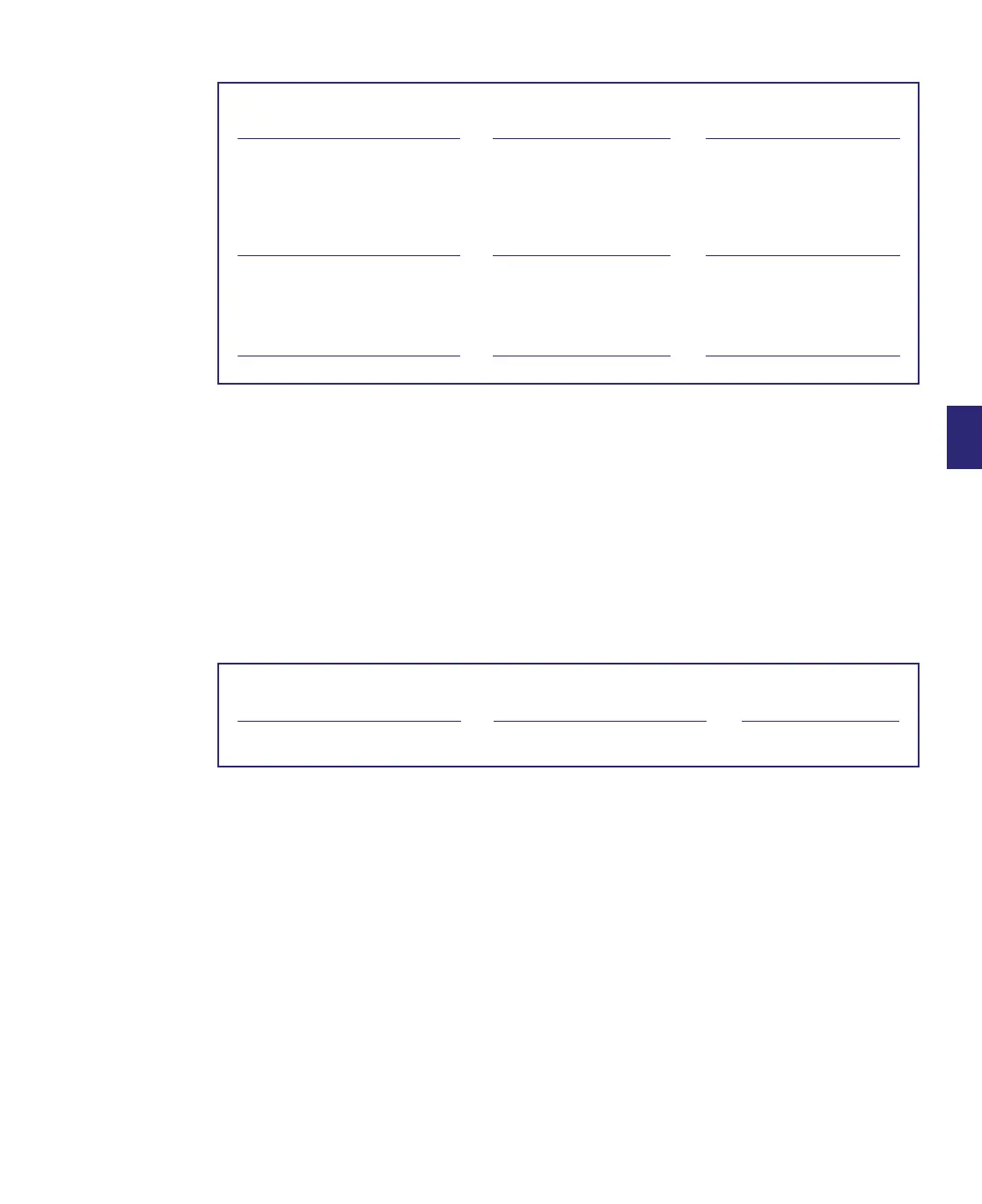
– =
System Forward High
Balancing Carrier Level
System Forward Low
Balancing Carrier Level
System Tilt
– =
Measured Forward High
Balancing Carrier Level
Measured Forward Low
Balancing Carrier Level
Measured Tilt
– =
System Tilt Measured Tilt Equalization Value
– =
Measured Forward High
Balancing Carrier Level
System Forward High
Balancing Carrier Level
PAD Value


 To Next Page