62-12259 7–16
00023 A/C Current Over Limit
• ACTIVATION: The high voltage amp draw is over the limit shown in the following table for more than 10
seconds.
CONDITION DRAW
Engine High / Low Speed, Standby Cool or Pretrip / Engine Off 30A
Engine High Speed Heat 18A
Engine Low Speed or Standby Heat 14A
Engine High Speed Defrost (With heaters energized) 16A
Engine Low Speed or Standby Heat Defrost 12A
Engine High/Low Speed or Null 8A
Engine Low Speed or Standby Null 8A
Engine or Standby Natural Defrost (when heaters are de-energized) 10A
• UNIT CONTROL: Engine Operation: Refrigeration system shutdown and alarm.
Electric Operation: Refrigeration system shutdown and alarm with PSCON still
energized.
• RESET CONDITION: Auto reset after 15 minutes or alarm may be manually reset via keypad or by
turning the unit OFF, then back ON.
NOTE
Follow the steps below until a problem is found. Once a repair or correction has been made, the
active alarm should clear itself (see reset condition above). Operate the unit through the appropri-
ate modes to see if any active alarm occurs. Continue with the steps below as necessary.
Corrective Actions:
1. Perform Pretrip
Clear Active Alarm list, then run Pretrip and check for any new alarms. Any active alarms must be
corrected and cleared before proceeding.
2. Check Configurations for Correct Maximum Amps Settings
a. Check DIESEL MAX GEN AMPS configuration setting. Setting should be 24 - 25 Amps. Maximum
recommended setting is 25 Amps. Minimum recommended setting is 22 Amps.
b. Check STANDBY MAX GEN AMPS configuration setting. Setting should be 22 - 25 Amps. Maximum
recommended setting is 25 Amps. Minimum recommended setting is 22 Amps.
c. Check STARTUP MAX AMPS configuration setting. Setting should be 15 - 19 Amps. Maximum
recommended setting is 19 Amps.
d. Check DIESEL OFFSET MAX AMPS configuration setting. Setting should be 4 Amps.
3. Check for Electrical Failure In System
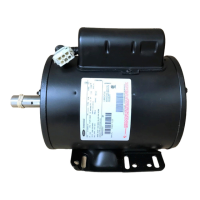
a. Check electrical motors. Visually inspect condenser fans and evaporator fan for damage to motor or
fan blade, or for foreign material obstructing the movement of the fan. Listen for noise caused by
failed bearing or motor obstruction.
b. Check for defective wiring. Check for discolored wiring at contactors and loose connections.
c. Check for defective contactor. Remove and replace any suspected contactor(s).
Alarm continued on next page...




 To Next Page