EasyManua.ls Logo

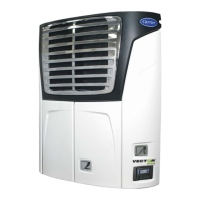
Carrier TRANSICOLD VECTOR 8100 - User Manual

Carrier TRANSICOLD VECTOR 8100
294 pages
Print Icon
To Next Page IconTo Next Page
Loading...
Cold Storage Refrigeration
EVXV
EVAPORATOR
EVOT
EVOP
MM
DISTRIBUTOR
OPERATION & SERVICE MANUAL
For The
VECTOR 8100
Cold Storage Refrigeration Units
62-11785 Rev B
TM

Table of Contents

Question and Answer IconNeed help?

Do you have a question about the Carrier TRANSICOLD VECTOR 8100 and is the answer not in the manual?

Summary

Section 1 - Safety

1.1 Safety Precautions

Provides essential safety guidelines for handling and operating the refrigeration equipment, emphasizing trained personnel and protective gear.

1.2 Specific Warning, Caution, and Notice Statements

Explains the meaning of hazard labels (Danger, Warning, Caution, Notice) and their associated consequences.

1.3 Safety Decals

Details the various safety decals found on the unit, explaining their symbols and warnings for hazard identification.

Section 2 - Unit Description

2.1 Introduction and General Description

Overview of the Vector 8100 unit, its design, electrical power supply, and main sections (condensing and evaporator).

2.3 Condensing Section

Details the components of the condensing section, including compressor, condenser coil, economizer, and associated controls.

2.4 Evaporator Section

Describes the evaporator coil, expansion valve, sensors, and other components located within the refrigerated compartment.

2.5 System Operating Controls

Explains the APX control system, its features like IntelliSet, DataLink, and describes key modules like PCM and Display Module.

2.6 Options

Covers optional features such as Light Bar, Remote Switches, and Remote Panel for enhanced unit monitoring and control.

2.7 Compressor Data

Provides technical specifications for the unit's compressor, including part number, displacement, and oil charge.

2.9 Electrical Data

Details electrical specifications for components like the compressor motor, condenser fans, and evaporator fan motor.

Section 3 - Operation

3.1 Display Module Overview

Describes the main display unit, its keys, and how it shows box temperature, setpoint, and status information.

3.3 Unit Starting and Stopping

Provides step-by-step instructions for starting and stopping the refrigeration unit using the START/RUN-OFF switch.

3.4 Inspect Mode

Explains the Inspect Mode feature, used for safety during pre-trip inspections, which forces unit shutdown.

3.5 IntelliSet and Configuration

Details the IntelliSet feature for pre-selecting and naming unit settings for various products to optimize performance.

3.6 Pretrip and Diagnostics

Describes the Pretrip function, a series of tests to check unit operation, and how to interpret results.

3.7 Changing Setpoint

Guides users on how to adjust the unit's setpoint temperature using the display mounted keys.

3.8 Start-Stop and Continuous Operation Modes

Explains how to select and operate the unit in either Start-Stop or Continuous modes for power saving or consistent cooling.

3.10 Data Recorder Functions

Details the built-in DataLink data recorder, its capabilities for recording system information, and data downloading.

3.15 View Active Alarms

Provides instructions on how to view active alarms, clear them, and access the inactive alarm list.

Section 4 - Temperature Control

4.1 Introduction and Electrical Sequence

Introduces temperature control concepts and describes the electrical sequence of operations for starting the unit.

4.3 Unit Operation Modes

Explains unit operation during startup, soft start, and the different modes like cooling, heating, and null.

4.6 Temperature Control Logic

Details how the APX Control System monitors temperatures and switches between cooling, heating, and null modes.

4.7 Defrost Operations

Covers the defrost cycle, including initiation methods, modes (Normal, Natural), and termination criteria.

4.8 User Selected Override Operations

Describes optional software overrides like Supply Air Limit Control and Temperature Range Lock for customized operation.

Section 5 - Control System Interface

5.1 Interface Methods

Outlines the four primary methods for interacting with the APX Control System: Driver, Technician, USB, and TRU-Tech.

5.2 Technician Mode Functions

Explains access and functions within Technician Mode, including hour meters, inactive alarms, and configuration settings.

5.3 USB Memory Device Operations

Covers procedures for using USB devices for data transfer, software installation, and configuration file management.

5.4 TRU-Tech & TRU-View Software Usage

Explains how to use TRU-Tech and TRU-View software for accessing and downloading data, programming, and configuration.

5.5 Main Microprocessor Replacement; Setup

Details the procedure for replacing the main microprocessor, including pre-replacement steps, installation, and setup.

Section 6 - MessageCenter Messages

6.1 MessageCenter Messages

Lists common messages displayed in the MessageCenter, their descriptions, and related sections for more information.

Section 7 - Alarm Troubleshooting

7.1 Introduction to Alarms

Guides on how to interpret and troubleshoot alarms, including reviewing active and inactive alarm lists.

7.3 Alarm Troubleshooting Guide

Provides detailed troubleshooting steps for various alarms, categorized by system component and issue type.

High Pressure and Electrical Alarms

Troubleshooting steps for alarms related to high discharge pressure, A/C amps, battery voltage, and electrical faults.

Sensor and Communication Alarms

Guidance for diagnosing issues with temperature sensors, communication errors, and input voltage problems.

Maintenance and Configuration Alarms

Troubleshooting steps for alarms indicating maintenance is due, setpoint errors, or configuration issues.

Section 8 - Service

8.2 Scheduled Maintenance

Outlines the regular maintenance schedule required for optimal unit operation and longevity.

8.3 Pre-Trip Inspection

Details the pre-trip inspection procedures to be performed before each trip and at regular maintenance intervals.

8.5 Refrigerant System Service

Covers procedures for servicing the refrigerant system, including charge level checks, leak checking, and evacuation.

8.5.2 Refrigerant Charge Servicing

Provides steps for checking, adjusting, and adding refrigerant charge to the system for optimal performance.

8.5.3 Leak Checking

Explains methods for leak checking the refrigeration system under various conditions, emphasizing safety.

8.6 Compressor Service

Provides instructions for the removal and replacement of the compressor, including safety precautions.

8.7 Refrigerant System Components

Details service procedures for individual refrigerant system components like coils, valves, and sensors.

8.8 Electrical System Components

Covers service procedures for electrical components such as microprocessors, power modules, and contactors.

8.8.1 Main Microprocessor Module (MM)

Provides instructions for replacing the main microprocessor module, ensuring software compatibility.

8.8.2 Power Control Module (PCM)

Details the procedure for removing and installing the Power Control Module, including torque specifications.

Section 9 - Unit Troubleshooting

9.1 Battery Charger Troubleshooting

Guides on diagnosing and resolving issues related to the battery charger and its components.

9.2 Refrigeration and Temperature Control Troubleshooting

Covers common problems and solutions for refrigeration and temperature control system malfunctions.

Cooling System Issues

Troubleshooting steps for when the unit fails to cool, has insufficient cooling, or runs excessively.

Heating and Defrost Issues

Addresses problems related to heating function, termination of heating, and defrost cycle malfunctions.

System Pressure and Airflow Issues

Guides for diagnosing issues caused by abnormal pressures or restricted evaporator airflow.

Component Malfunctions

Troubleshooting for malfunctions of key components like expansion valves, CSMV, and ECXV.

Summary

Section 1 - Safety

1.1 Safety Precautions

Provides essential safety guidelines for handling and operating the refrigeration equipment, emphasizing trained personnel and protective gear.

1.2 Specific Warning, Caution, and Notice Statements

Explains the meaning of hazard labels (Danger, Warning, Caution, Notice) and their associated consequences.

1.3 Safety Decals

Details the various safety decals found on the unit, explaining their symbols and warnings for hazard identification.

Section 2 - Unit Description

2.1 Introduction and General Description

Overview of the Vector 8100 unit, its design, electrical power supply, and main sections (condensing and evaporator).

2.3 Condensing Section

Details the components of the condensing section, including compressor, condenser coil, economizer, and associated controls.

2.4 Evaporator Section

Describes the evaporator coil, expansion valve, sensors, and other components located within the refrigerated compartment.

2.5 System Operating Controls

Explains the APX control system, its features like IntelliSet, DataLink, and describes key modules like PCM and Display Module.

2.6 Options

Covers optional features such as Light Bar, Remote Switches, and Remote Panel for enhanced unit monitoring and control.

2.7 Compressor Data

Provides technical specifications for the unit's compressor, including part number, displacement, and oil charge.

2.9 Electrical Data

Details electrical specifications for components like the compressor motor, condenser fans, and evaporator fan motor.

Section 3 - Operation

3.1 Display Module Overview

Describes the main display unit, its keys, and how it shows box temperature, setpoint, and status information.

3.3 Unit Starting and Stopping

Provides step-by-step instructions for starting and stopping the refrigeration unit using the START/RUN-OFF switch.

3.4 Inspect Mode

Explains the Inspect Mode feature, used for safety during pre-trip inspections, which forces unit shutdown.

3.5 IntelliSet and Configuration

Details the IntelliSet feature for pre-selecting and naming unit settings for various products to optimize performance.

3.6 Pretrip and Diagnostics

Describes the Pretrip function, a series of tests to check unit operation, and how to interpret results.

3.7 Changing Setpoint

Guides users on how to adjust the unit's setpoint temperature using the display mounted keys.

3.8 Start-Stop and Continuous Operation Modes

Explains how to select and operate the unit in either Start-Stop or Continuous modes for power saving or consistent cooling.

3.10 Data Recorder Functions

Details the built-in DataLink data recorder, its capabilities for recording system information, and data downloading.

3.15 View Active Alarms

Provides instructions on how to view active alarms, clear them, and access the inactive alarm list.

Section 4 - Temperature Control

4.1 Introduction and Electrical Sequence

Introduces temperature control concepts and describes the electrical sequence of operations for starting the unit.

4.3 Unit Operation Modes

Explains unit operation during startup, soft start, and the different modes like cooling, heating, and null.

4.6 Temperature Control Logic

Details how the APX Control System monitors temperatures and switches between cooling, heating, and null modes.

4.7 Defrost Operations

Covers the defrost cycle, including initiation methods, modes (Normal, Natural), and termination criteria.

4.8 User Selected Override Operations

Describes optional software overrides like Supply Air Limit Control and Temperature Range Lock for customized operation.

Section 5 - Control System Interface

5.1 Interface Methods

Outlines the four primary methods for interacting with the APX Control System: Driver, Technician, USB, and TRU-Tech.

5.2 Technician Mode Functions

Explains access and functions within Technician Mode, including hour meters, inactive alarms, and configuration settings.

5.3 USB Memory Device Operations

Covers procedures for using USB devices for data transfer, software installation, and configuration file management.

5.4 TRU-Tech & TRU-View Software Usage

Explains how to use TRU-Tech and TRU-View software for accessing and downloading data, programming, and configuration.

5.5 Main Microprocessor Replacement; Setup

Details the procedure for replacing the main microprocessor, including pre-replacement steps, installation, and setup.

Section 6 - MessageCenter Messages

6.1 MessageCenter Messages

Lists common messages displayed in the MessageCenter, their descriptions, and related sections for more information.

Section 7 - Alarm Troubleshooting

7.1 Introduction to Alarms

Guides on how to interpret and troubleshoot alarms, including reviewing active and inactive alarm lists.

7.3 Alarm Troubleshooting Guide

Provides detailed troubleshooting steps for various alarms, categorized by system component and issue type.

High Pressure and Electrical Alarms

Troubleshooting steps for alarms related to high discharge pressure, A/C amps, battery voltage, and electrical faults.

Sensor and Communication Alarms

Guidance for diagnosing issues with temperature sensors, communication errors, and input voltage problems.

Maintenance and Configuration Alarms

Troubleshooting steps for alarms indicating maintenance is due, setpoint errors, or configuration issues.

Section 8 - Service

8.2 Scheduled Maintenance

Outlines the regular maintenance schedule required for optimal unit operation and longevity.

8.3 Pre-Trip Inspection

Details the pre-trip inspection procedures to be performed before each trip and at regular maintenance intervals.

8.5 Refrigerant System Service

Covers procedures for servicing the refrigerant system, including charge level checks, leak checking, and evacuation.

8.5.2 Refrigerant Charge Servicing

Provides steps for checking, adjusting, and adding refrigerant charge to the system for optimal performance.

8.5.3 Leak Checking

Explains methods for leak checking the refrigeration system under various conditions, emphasizing safety.

8.6 Compressor Service

Provides instructions for the removal and replacement of the compressor, including safety precautions.

8.7 Refrigerant System Components

Details service procedures for individual refrigerant system components like coils, valves, and sensors.

8.8 Electrical System Components

Covers service procedures for electrical components such as microprocessors, power modules, and contactors.

8.8.1 Main Microprocessor Module (MM)

Provides instructions for replacing the main microprocessor module, ensuring software compatibility.

8.8.2 Power Control Module (PCM)

Details the procedure for removing and installing the Power Control Module, including torque specifications.

Section 9 - Unit Troubleshooting

9.1 Battery Charger Troubleshooting

Guides on diagnosing and resolving issues related to the battery charger and its components.

9.2 Refrigeration and Temperature Control Troubleshooting

Covers common problems and solutions for refrigeration and temperature control system malfunctions.

Cooling System Issues

Troubleshooting steps for when the unit fails to cool, has insufficient cooling, or runs excessively.

Heating and Defrost Issues

Addresses problems related to heating function, termination of heating, and defrost cycle malfunctions.

System Pressure and Airflow Issues

Guides for diagnosing issues caused by abnormal pressures or restricted evaporator airflow.

Component Malfunctions

Troubleshooting for malfunctions of key components like expansion valves, CSMV, and ECXV.

Carrier TRANSICOLD VECTOR 8100 Specifications

General IconGeneral
BrandCarrier TRANSICOLD
ModelVECTOR 8100
CategoryRefrigerator
LanguageEnglish

Related product manuals