176 The Information Company
6.2.2 Thermal issues
TX1 is constantly monitoring the operating temperature of key components inside the
unit. While it was designed to have plenty of operating temperature margin, conditions
that affect the airflow or the effectiveness of the cooling system inside the unit can occur.
Depending on the severity of the issue, overheating can possibly cause performance
issues and/or physical damage to the unit.
Should any of the key components become overheated for any reason, a warning will be
provided in the top navigation bar (dark gray bar across the top of the screen). The first
level warning will be a yellow triangle that indicates temperatures are on the rise. Clicking
the yellow triangle will provide an informative message, but the unit will otherwise operate
normally in this condition indefinitely. If conditions do not improve, the warning triangle
may eventually turn red, indicating a major thermal issue with the unit. In that scenario,
you will automatically be prompted to immediately shut down the unit to prevent
permanent damage. You will have the option to ignore the shut down message, but this is
strongly discouraged.
If the yellow warning triangle is present, please check to make sure that all airflow
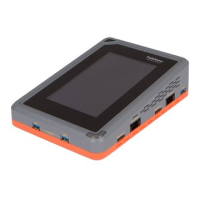
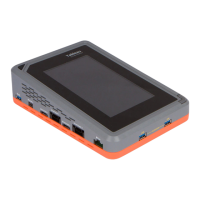
openings on the unit are open and free of obstruction. This includes the inlet vents on
both sides of the unit and the fan outlet vent in the rear. If there are no obstructions to
these airflow vents, then please contact OpenText Customer Support at your earliest
convenience for further guidance.
If the red warning triangle is present, please immediately shut down the unit via the
automatic shut down prompt. Check that there are no obstructions to the inlet or outlet air
vents, and let the unit cool down for a few minutes before attempting to use it again. If the
red warning triangle condition returns, please immediately shut down the unit and contact
OpenText Customer Support for further guidance.
6.2.3 Problems with drive detection
When using a product like TX1, the most common problem you may encounter is a
failure to achieve drive detection. Most drive detection problems are the result of
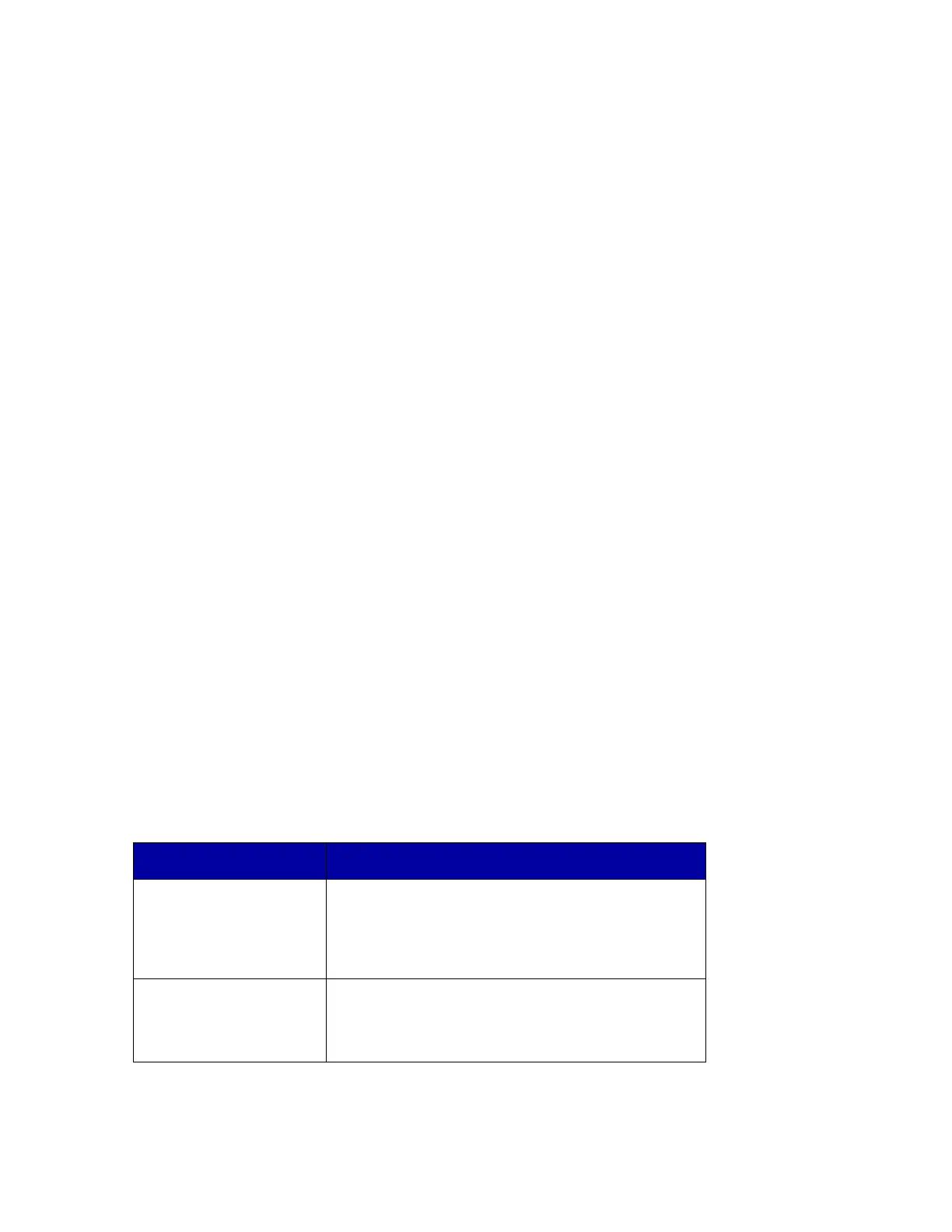
improper cabling. The following table lists the most common drive detection problems
and corrective actions.
Check the power and signal cable connections between
TX1 and the drive to ensure that all connectors are
properly seated. If TX1 still does not detect the drive, cycle
the power to attempt to detect the drive during a fresh
Due to the nature of the PCIe bus not supporting hot-
plugging, TX1 can only detect drives connected to the
source PCIe port during start-up. Therefore, connect the
PCIe SSD to the appropriate Tableau PCIe adapter and
Copyright © 2022 Open Text. All rights reserved. Trademarks owned by Open Text.


 To Next Page