EasyManua.ls Logo

Optos P200T E Series - User Manual

Default Icon
72 pages
Print Icon
To Next Page IconTo Next Page
Loading...
optos.com
USER GUIDE
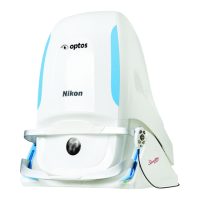
Optos OCT Ophthalmoscope
P200TxE

Table of Contents

Questions and Answers

Summary

Warnings and Cautions

General Safety

Essential safety guidelines for operating the Optos OCT ophthalmoscope.

Laser Safety

Information on laser safety precautions and device classification for user protection.

Electrical Safety

Guidelines for safe electrical operation and handling of the medical device.

Environmental Safety

Operating environment limits and precautions for optimal device performance and safety.

EMC Safety

Guidance on electromagnetic compatibility and minimizing interference with other devices.

Device Failure

Procedures to follow in case of device malfunction or unexpected behavior.

Cleaning Guidelines

Instructions for cleaning patient contact parts and the main mirror.

Maintaining Information Security

Measures to ensure the security of patient data and system access.

Data Security

Procedures for backing up and protecting patient data integrity.

Software on Optos-supplied PCs

Guidelines for installing and updating software on the provided PCs.

Symbol and Label Information

Explanation of symbols and labels used on the device and in documentation.

Introduction

Device Description

Overview of the P200TxE's features, capabilities, and technology.

Intended Use

Details the specific applications and medical uses of the P200TxE ophthalmoscope.

Intended Users

Identifies the qualified healthcare professionals who should operate the system.

Target Environment

Specifies the recommended environments for operating the ophthalmic imaging device.

Contraindications

Information regarding conditions or situations where the device should not be used.

System Configuration

Details the components and setup of the P200TxE system.

System Parts

Identification and description of the main components of the P200TxE system.

Network Specification and Characteristics

Recommended network settings for optimal connectivity and system performance.

Image Modalities

Details the different types of retinal images that can be captured by the system.

System Software

Overview of the software components that manage system operation and image processing.

Accessories and Detachable Parts

List and description of essential accessories and detachable parts for the device.

How To...

Get Started

Initial steps and procedures for setting up and beginning to use the system.

Switch On Each Day

Step-by-step instructions for powering on the system components daily.

Use Standby Mode at the End of Each Day

Procedures for placing the system into standby mode at the end of the working day.

Use the System

Guidance on interacting with the system's touch screen and hand control.

Capture Images

Detailed procedures for capturing various types of retinal images.

Working with Patient Details

Process for adding new or selecting existing patient records before imaging.

How to Prepare for Image Capture

Steps to prepare the patient and select imaging options before capture.

How to Align the Patient

Detailed instructions for positioning and aligning the patient for optimal image capture.

How to Capture SLO Images

Procedure for capturing standard Scanning Laser Ophthalmoscopy (SLO) images.

How to Capture SLO Eye Steered Images

Instructions for capturing SLO images with eye-steering capabilities.

How to Capture SLO Stereo Images

Procedure for capturing stereo pairs of SLO images.

How to Capture SLO Angiography Images

Steps for capturing Fluorescein Angiography (FA) and ICG images.

How to Capture OCT Images

Procedure for capturing Optical Coherence Tomography (OCT) images.

Capture Using Multi-mode

Guidance on using the multi-mode workflow for sequential SLO and OCT captures.

Manage the Patient Session

Steps for reviewing captured images and completing a patient session.

Review Images

Procedures for analyzing and interpreting captured retinal images.

Starting the Review Software

Instructions for launching and logging into the OptosAdvance review software.

Reviewing Patient Images and Scans

Steps for viewing, analyzing, and comparing captured patient images and scans.

Exiting the Review Software

Procedure for safely closing the OptosAdvance review application.

Manage the System

System administration tasks and configuration management.

Managing User Details

Instructions for creating and managing user accounts for system access.

How to Change the Language on the Scan Head

Steps to change the system language displayed on the scan head.

How to Change the Language Displayed in the Review Application

Procedure to modify the language settings within the review software.

Storing and Archiving Images

Information on image storage, archiving, and backup procedures.

Managing Connections

Details on managing network settings and troubleshooting connection issues.

Managing the Modality Work List

Guidance on using and managing the Modality Work List for patient data.

Quality Checks

Information on automatic system checks and status indicators for device health.

Maintenance

Procedures and guidelines for maintaining the system's operational status.

Troubleshooting

Guide to identifying and resolving common issues encountered with the system.

Technical Specification

Safety Designation (IEC 60601-1)

Technical specifications related to electrical safety and device classification.

Laser Safety Designation (IEC 60825-1)

Details on laser safety standards, wavelengths, and product classification.

Electromagnetic Compatibility (EMC)

Information on electromagnetic compatibility and recommended separation distances.

Contact Us

Global Headquarters

Contact information for Optos plc global headquarters.

Regional Offices

Contact details for Optos regional offices worldwide.

Optos P200T E Series Specifications

General IconGeneral
Patient InterfaceChin rest and forehead support
Imaging TechnologyScanning Laser Ophthalmoscopy (SLO)
Field of View200 degrees
Image ResolutionHigh-resolution
Pupil DilationNot required
Image CaptureSingle capture
Laser Wavelength633nm (Red), 532nm (Green)
Scanning MethodScanning Laser Ophthalmoscopy (SLO)
Image FormatDICOM
TypeUltra-Widefield Retinal Imaging Device
SoftwareOptos proprietary software for image review, analysis, and reporting

Related product manuals