ZoneFlex H510 Wall Switch
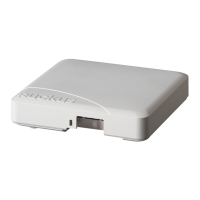
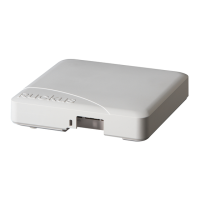
H510 is an 802.11ac Wave 2 dual band access point with integrated 5-port Ethernet,
in a form factor which allows mounting to electrical outlet boxes. The H510 is the 11ac
Wave 2 successor to the H500.
NOTE The H510 requires a minimum of AP base image 104.0 and later to operate, or
SZ 3.4 and later, or ZD 9.13.1 and later to operate.
The H510 has many options:
• It can be mounted on a standard USA- or EU-style single-gang wall outlet box.
• It can be powered by a customer-supplied IEEE 802.3af- or 802.3at-compliant PoE
switch or injector, or can be powered by an optional customer-ordered DC power
adapter.
• It has bottom cutouts for one or two bypass cables. The mounting bracket has
locating hooks to keep the bypass cables aligned with the cutouts when attaching
the H510 to the mounting base.
• It can have a low-power (0.5W or less) customer-supplied USB device plugged in.
The USB port is intended for low-power devices such as BLE (Bluetooth low energy)
beacons.
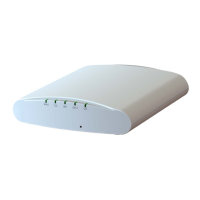
The H510 has four LEDs, one RJ-45 connector, and a reset button on its rear panel,
and has one USB port (refer to Appendix A: AP Support for Bluetooth Low Energy
Devices on page 148, four RJ-45 connectors, and one DC power connector on its bottom
panel.
About Peripheral Devices
The H510 can supply power to USB devices and PoE-powered devices, and the power
supplied depends on the PoE power supplied to the H510.
• The USB port is intended for low-power devices such as BLE beacons. The maximum
power that the USB port can supply is 0.5W.
• The LAN1+PoE port is intended for PoE-powered peripheral devices such as IP
telephones.
For a description of the input and output power options, refer to the table below.
Table 16: H510 power options and available power out for PoE out and USB
Power Available for PoE Out and USBH510 Power Source
4W total802.3af PoE
12.95W PoE Out (802.3af Class 3) and 0.5W USB802.3at PoE
12.95W PoE Out (802.3af Class 3) and 0.5W USBDC power adapter (sold
separately)
38
ZoneFlex Indoor Access Point Release 104.0 User Guide
Introduction
Getting to Know the AP Features





 To Next Page