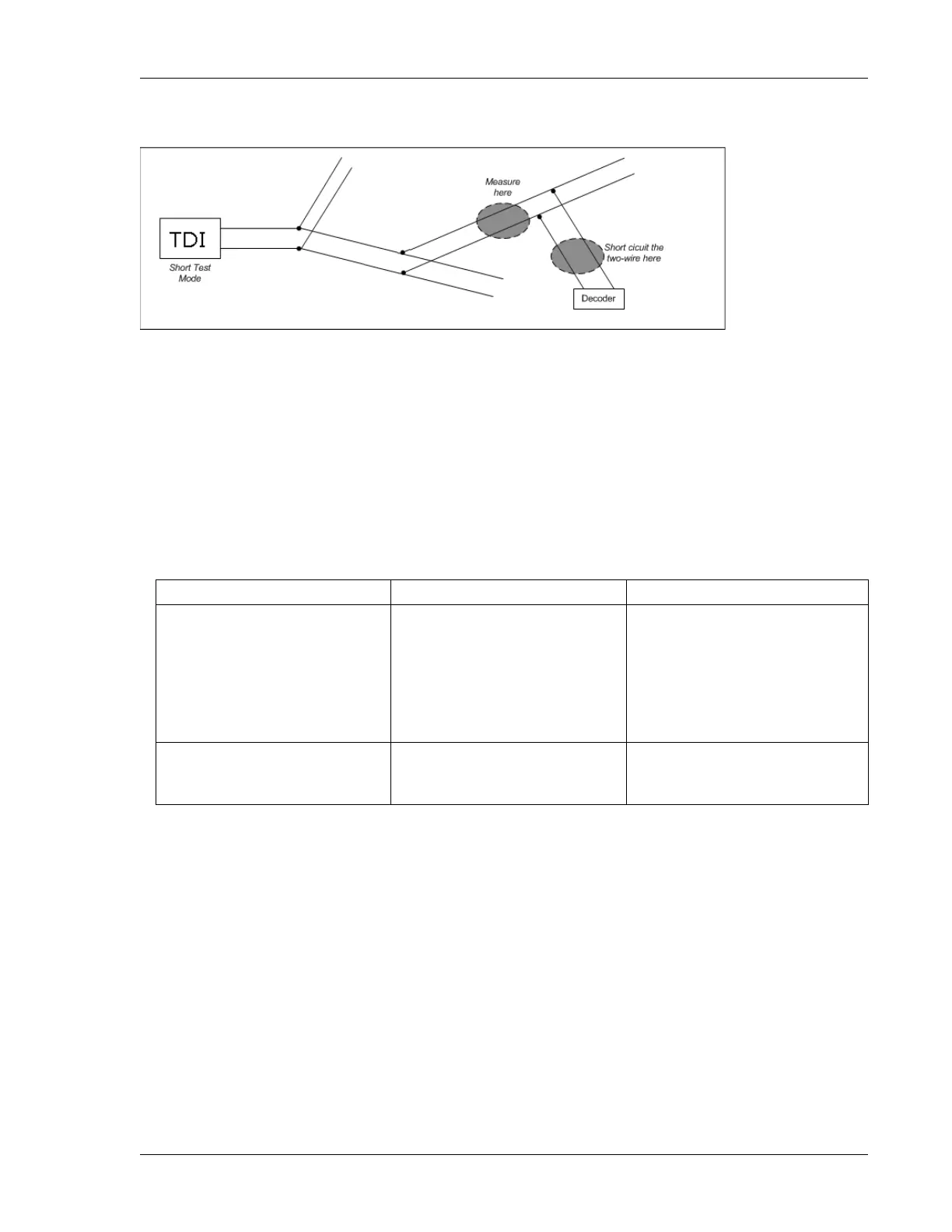
Figure 8.2. Testing the path to a station
8.3.2.
Several Stations Fail
Here is a checklist if multiple stations fail:
• If two stations are configured with identical IDs you can get a rather confusing behavior in the system.
Imagine the following scenario:
• We consider two stations, M and N.
• You have configured station M to have the ID "ST20".
• Station N should have been called "ST21", but by mistake you configured this to be "ST20" as well.
M and/or N might fail to open.
Since both stations think they're
"ST20", they'll both try to open. If
you're lucky, there's enough
on the two-wire to pull open both,
but depending on the current and
the resistance in the solenoids, one
or both can fail to open.
Both M and N fail to open.
None of the stations react to "ST21"
since they both think they are
"ST20."
• If you're dealing with a new installation, and the failing stations seem to be spread randomly in the field,
you could be looking at solenoids with built-in diodes - on this type of solenoid it is significant which one
of the wires in the cables are connected to what (see previous section "A Single Station Fails" for more
details).
• If the failing stations are located on the same dead end branch of your two-wire, chances are that the
connection to the branch is faulty. If all stations from a point on a branch and outwards fail (stations 9 and
10 in the illustration below), measure the connection to each station - using a clampmeter - until you reach
the point of failure. For more information turn to see Section 8.4.1, “Using a Clampmeter” [51].


 To Next Page