A
L
B
E
D
O
T
e
l
e
c
o
m
-
J
o
a
n
d
’
À
u
s
t
r
i
a
,
1
1
2
-
B
a
r
c
e
l
o
n
a
-
0
8
0
1
8
-
w
w
w
.
a
l
b
e
d
o
t
e
l
e
c
o
m
.
c
o
m
User Guide
164
The MEF specifies the RFC 2698 Two-rate Three-Color Marker (trTCM) as the
admission control mechanism for carrier Ethernet services. The trTCM is obtained by
chaining two simple token bucket policers. Tokens fill the main bucket until they reach
the capacity given by the CBS parameter, at a rate given by the CIR parameter. The
secondary bucket is filled with tokens with the EIR rate until they reach the capacity
given by the EBS parameter.
The traffic that passes through the first bucket (green traffic) is delivered with the QoS
agreed with the service provider, but any traffic that passes through the secondary
bucket (yellow traffic) is re-classified and delivered as best-effort traffic, or it is given a
low priority. Non-conforming traffic (red traffic) is dropped.
Note than the best effort classical service can be obtained simply by setting the CIR
parameter to zero. Moreover, service providers may allow their subscribers to add their
color marks to the traffic they generate before the traffic admission algorithm is applied.
This kind of pre-marking transfers more control on the application performance to the
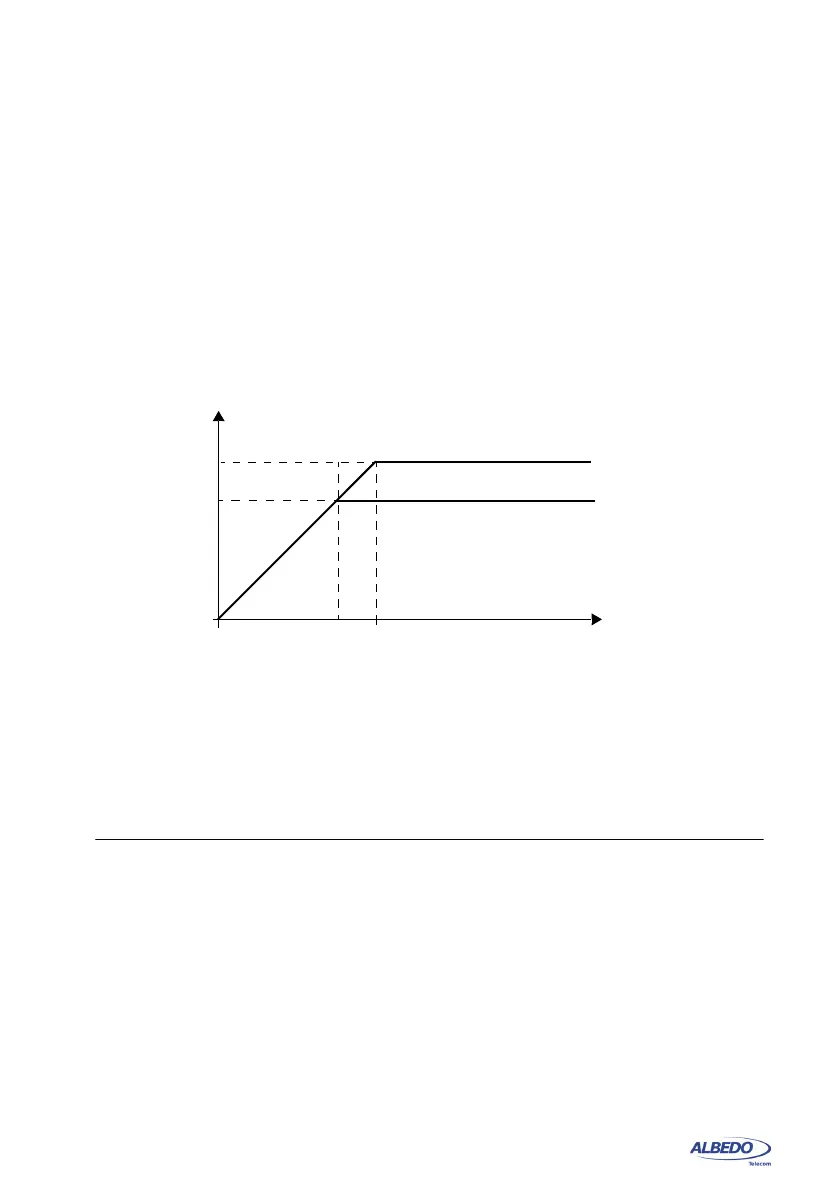
Figure 7.7: The amount of traffic that crosses an admission control filter. Graphics
represent steady states, traffic is usually allowed to be greater than the CIR and EIR for
short periods of time. Traffic delivery is guaranteed if the rate is smaller than the CIR.
Excess traffic (EIR traffic) is delivered as well, but it is marked as low priority and
usually discarded first if congestion occurs.
CIR + EIR
Incoming traffic
0
Outgoing traffic
(Mb/s)
(Mb/s)
CIR + EIRCIR
CIR
Green
Traffic
Yellow


 To Next Page