Operation 43
Operation
command, the period of the pulse can be changed from 0.10 of a second up to
99.90 seconds, depending upon the receiver update rate, which, in turn, is
dependent upon the installed position update rate and raw data update rate
options.The timing pulse may be offset from GPS time within a range of -999.9999
to +999.9999 milliseconds. GPS time can be synchronized to the rising or falling
edge of the square wave pulse.
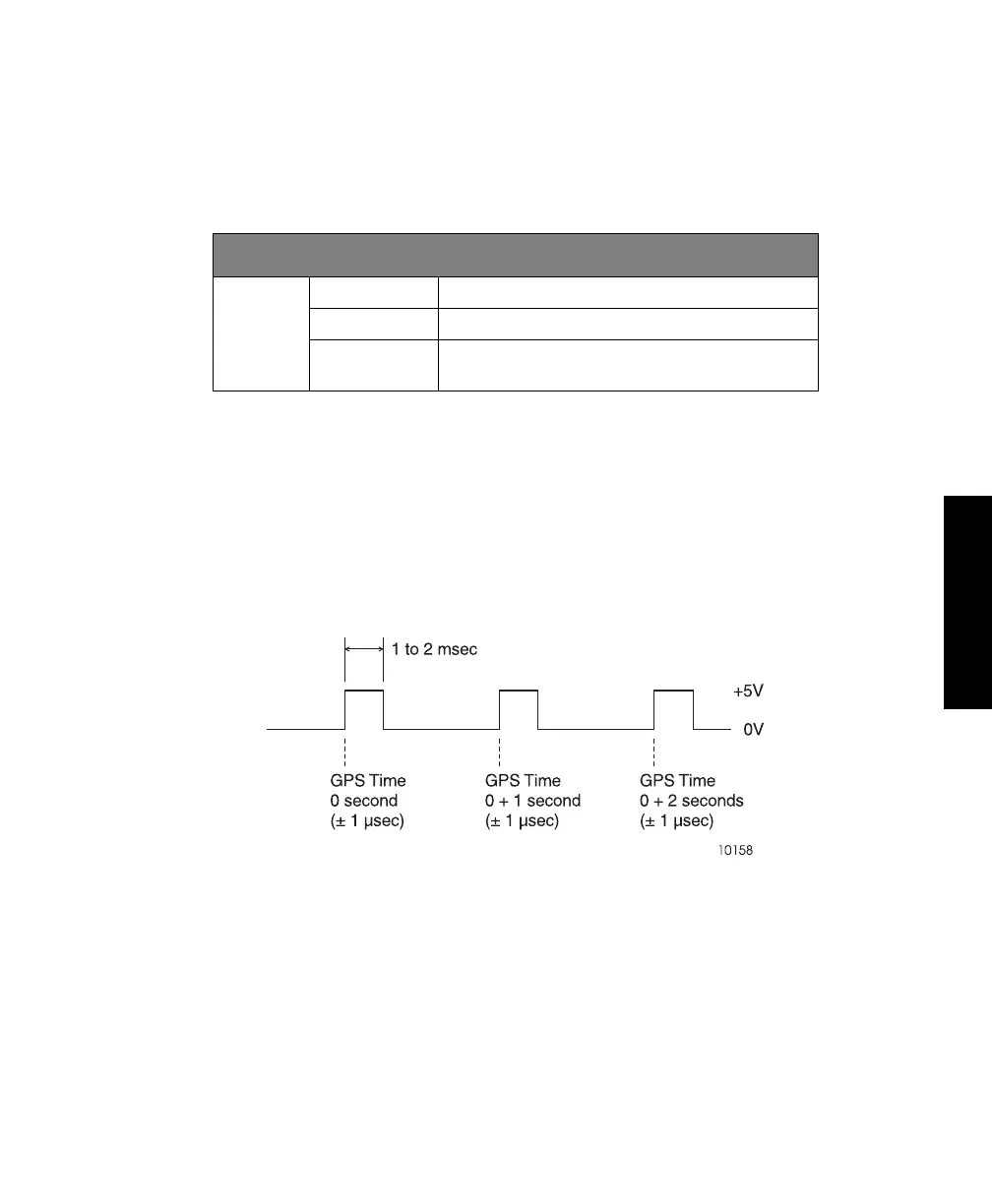
Figure 3.5 shows timing pulse characteristics under default conditions. The pulse
occurs when the signal goes high (i.e., goes from zero to five volts). The pulse is
generated within ±1 microsecond of the GPS second and remains high for 1-2
milliseconds. The precision of the epoch between pulses is ±190 nanoseconds in
stand-alone mode with SA active and ±45 nanoseconds when the G12 is
receiving differential corrections. The G12 must be computing positions and
tracking a minimum of four satellites in order for the one microsecond accuracy
and 45/190 nanosecond precision to be valid.
In order to provide notification to peripheral equipment and software with respect
to time tagging the occurrence of the timing pulse, it is necessary to set the output
of PBN raw data message to match the period of the timing pulse. The GPS time
value contained in the PBN message plus one second is the time that the next
pulse will occur when the default settings are in effect (Figure 3.6). PBN time is
already internally rounded to GPS time, so it is the actual time to which the
navigation 1PPS pulse generation which preceded it (unless that pulse has been
DEFAULT SETTING
PPS Period 1 second
Offset 0.0000 milliseconds
Synchroniza-
tion
GPS time synchronized to the rising edge of the
pulse
Figure 3.5. Timing Pulse Characteristics
G12RevD.book Page 43 Tuesday, April 2, 2002 4:33 PM


 To Next Page