D-EIMHP01702-23_00EN- 65/72
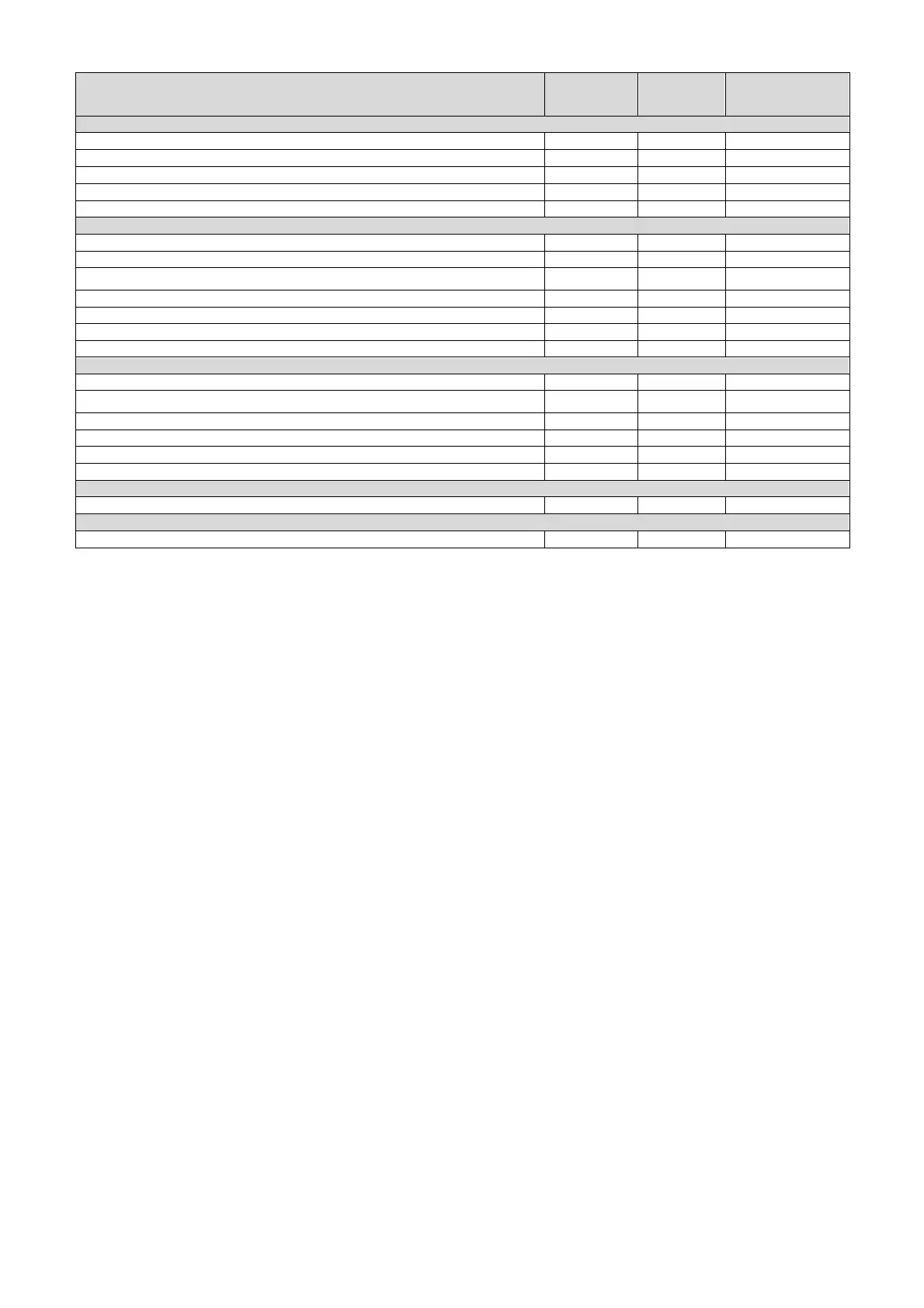
Table 7 - Standard Routine Maintenance Plan
Routine maintenance programme (Note 2)
Reading of operating data (Note 3)
Visual inspection of machine for any damage and/or loosening
Verification of thermal insulation integrity
Clean and paint where necessary
Analysis of water (Note 5)
Verification of control sequence
Verify contactor wear – Replace if necessary
Verify that all electrical terminals are tight – Tighten if necessary
Clean inside the electrical control board
Visual inspection of components for any signs of overheating
Verify operation of compressor and electrical resistance
Measure compressor motor insulation using the Megger
Check for any refrigerant leakage
Verify filter dryer pressure drop
Verify oil filter pressure drop (Note 4)
Analyse compressor vibrations
Analyse compressor oil acidity (Note 6)
Check safety valves (Note 7)
Clean the exchangers (Note 8)
Reading of operating data (Note 3)
Notes:
1. Monthly activities include all the weekly ones.
2. The annual (or early season) activities include all weekly and monthly activities.
3. Daily reading of the operating values of the unit allows maintaining high observational standards.
4. Check for any dissolved metals.
5. Check that the cap and the seal have not been tampered with. Check that the drainage connection of the safety valves is not accidentally
occluded by foreign objects, rust or ice. Check the manufacturing date on the safety valve and replace it, if necessary, in compliance with the
national laws in force.
6. Clean water heat exchangers with appropriate chemicals. Particles and fibers could clog up the exchangers, especially for water exchangers
pay attention if water rich in calcium carbonate is used. An increase in pressure drops or a decrease in thermal efficiency means that the heat
exchangers are clogged. In environments with a high concentration of air-borne particles, it might be necessary to clean the condenser bank
more often.
7. TAN (Total acid number): 0.10: No action
Between 0.10 and 0.19: Replace anti-acid filters and re-check after 1000 running hours. Continue to replace the filters
until the TAN is below 0.10.
0.19: replace oil, oil filter and oil filter dryer. Verify at regular intervals.




 To Next Page