6 Eaton Static Transfer Switch 2000A 3-Pole Installation and Operation Manual 164001127—Rev 01
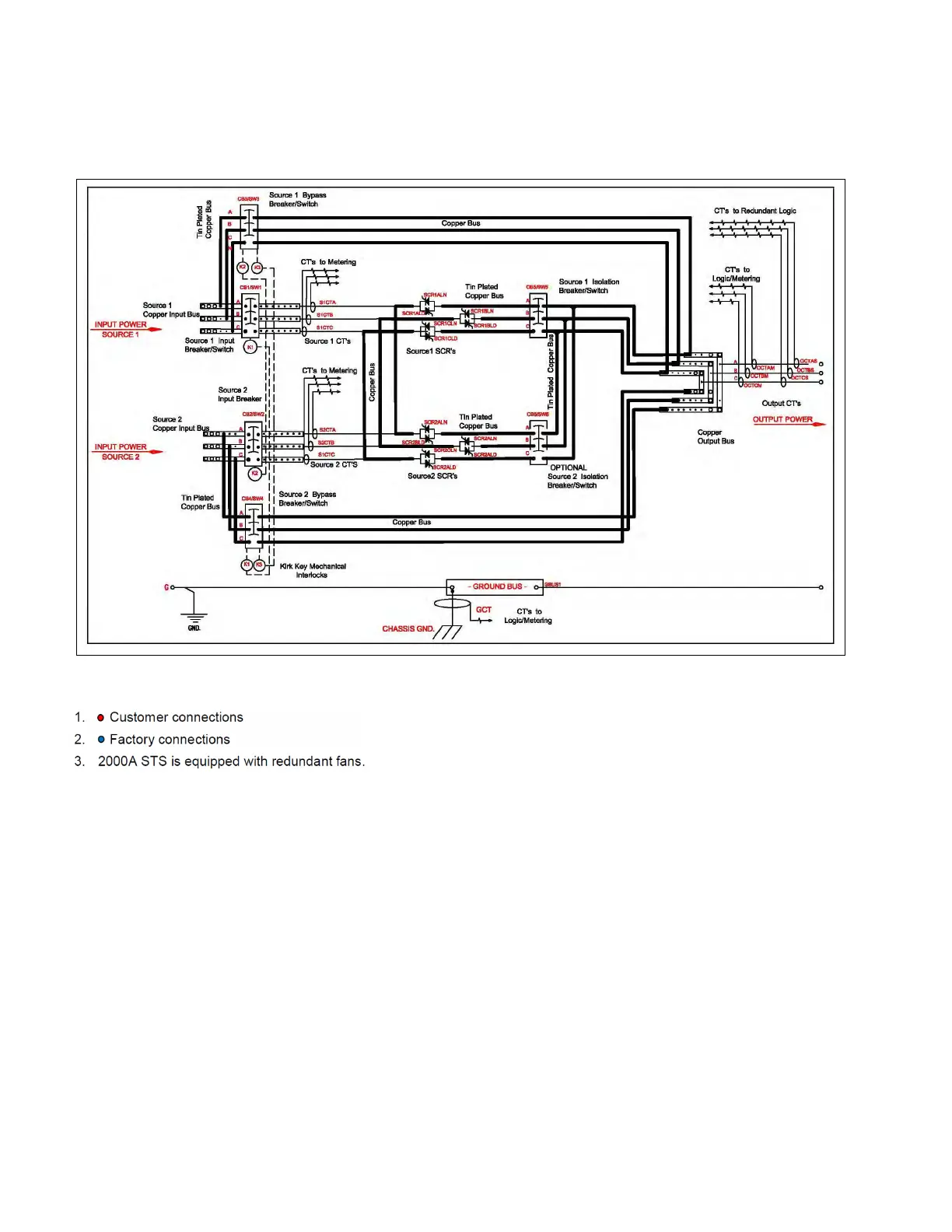
Figure 5. STS 2000A 3-Pole One-line Diagram
Notes for figure 5:
11..33 TTrraannssffeerr PPrroocceessss:: AAllggoorriitthhmmss
11..33..11 TThhee PPrroobblleemm ooff TTrraannssffoorrmmeerr CCuurrrreenntt IInnrruusshh
One of the limiting factors in using an STS in mission critical facilities has been the inability of the electrical
infrastructures to withstand the transformer inrush when switching occurs on the primary side of the
transformer, typically at 480VAC. When downstream transformers saturate, currents can rise to 10-12 times
the transformer rating, creating an outage by tripping circuit breakers and molded case switches in the STS or
in UPSs upstream of the STS.
Eaton PDI’s patented Volt Second Synchronizing (VSS) algorithm solves this problem, dramatically reducing
the current rise or inrush when transferring between sources. Transformer inrush is limited to (1.5) x the
transformer’s full load current rating, but is typically less than (1) x transformer rating.
11..33..22 SSeennssee aanndd TTrraannssffeerr AAllggoorriitthhmmss
Sense algorithms detect that the active power source is going out of specification and that a transfer is
required. Eaton PDI has optimized STS sense algorithms experimentally, but algorithm parameters can be
adjusted by administrators if necessary.
System Description




 To Next Page