4230 Flow Meter
Section 4 Optional Equipment
4-19
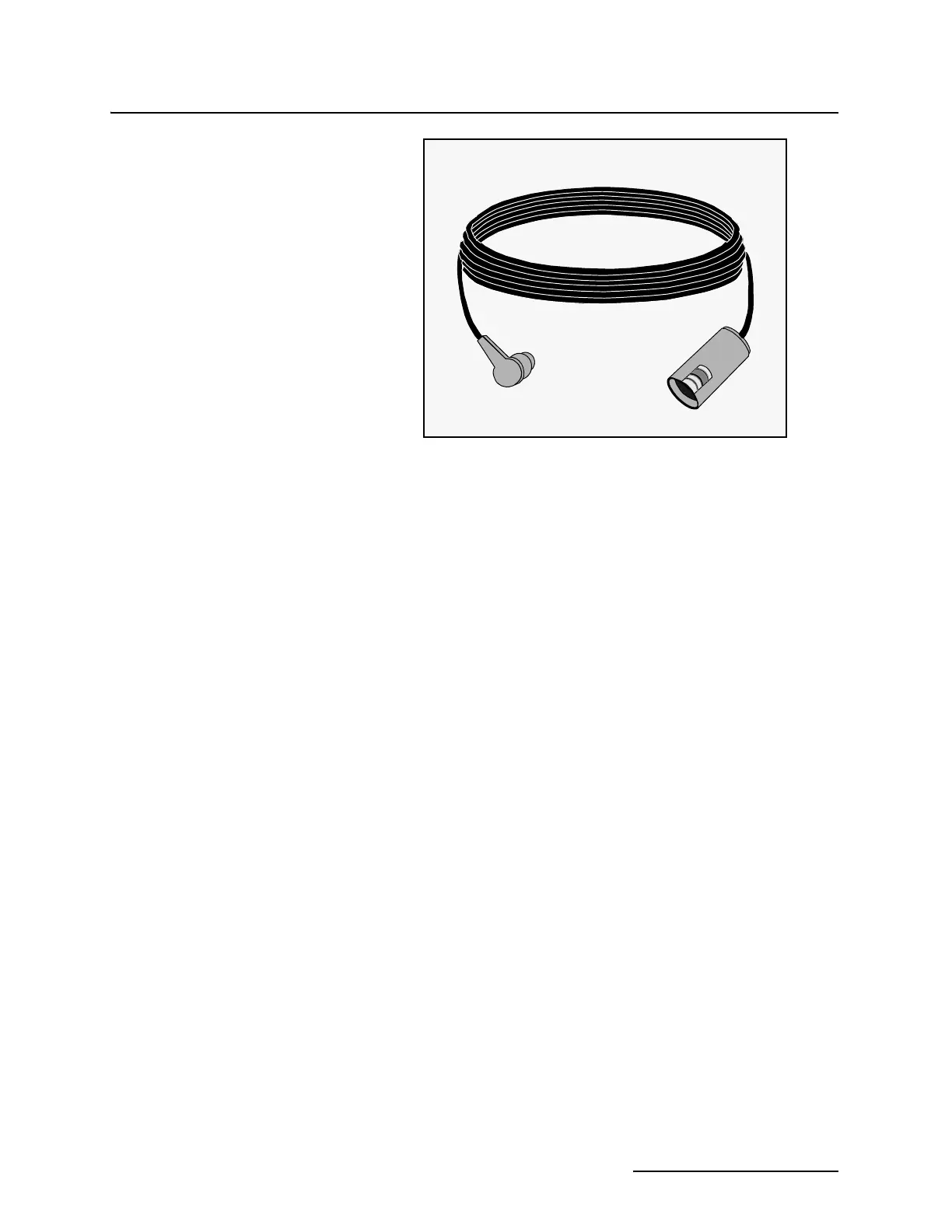
Figure 4-6 D.O. (Dissolved Oxygen) Probe
For successful use of the D.O. Probe, please read and consider
the following:
• The D.O. Probe requires constantly moving water.
The probe consumes oxygen during operation; this will
deplete the oxygen available from stagnant or stratified
waters, resulting in an inaccurate reading. Do not
install it in a stilling well or in any location where water
movement is intermittent or very low. As a guideline, a
minimum velocity of one foot per second is suggested.
• Frequent maintenance is necessary when the probe is
installed in flows with high grease or solids content.
Tests conducted by Isco with probes installed in various
waste streams have indicated that greases and solids
quickly coat the probe's membrane, making it impos-
sible for oxygen to enter the reaction chamber. This will
result in an abnormally low reading, or no reading at all.
Cleaning the membrane is generally not effective, as it
tends to drive the solids further into the pores. It is
generally necessary to replace both the electrolyte and
the diaphragm to get an accurate reading. In such
severe cases of fouling it may be necessary to change the
diaphragm very frequently, even as often as every other
day.
4.9.1 How the D.O. Probe
Works
A thin permeable membrane stretched over the sensor isolates
the electrodes from the environment, but allows gases to enter.
When a polarizing voltage is applied across the sensor, oxygen
that has passed through the membrane reacts at the cathode,
causing a current to flow. The membrane passes oxygen at a rate
proportional to the pressure difference across it. Since oxygen is
rapidly consumed at the cathode, it can be assumed that the
oxygen pressure inside the membrane is zero. Hence, the force
causing the oxygen to diffuse through the membrane is propor-
tional to the absolute pressure of oxygen outside the membrane.



 To Next Page