73
10 Appendix
10.2.2 General Information of the Optical Flame Monitoring
Notes on assembly and installation
The processes that occur during combustion give rise, inter alia, to a pulsing component of
the flame's radiation (flame flickering), whose oscillations (flame frequency) are relatively rap-
id at the flame's root (i.e. near the burner's mouth) and become slower toward is tip.
For individual monitoring, the flame sensor should be aligned in that way, that the first third of
the flame is observed.
The flame sensor's correct alignment is essential for achieving a high degree of availability
and/or selectivity.
WARNING!
We recommend to lay the supply cable, including their extension, on separate cable trays to
keep mains and control lines as well as high-energy power lines and equipment separated
from each other (e.g. ignition lines, ignition transformer, electrical motors, contactors). More-
over, avoid any parallel cable routing together with mains cables in trays
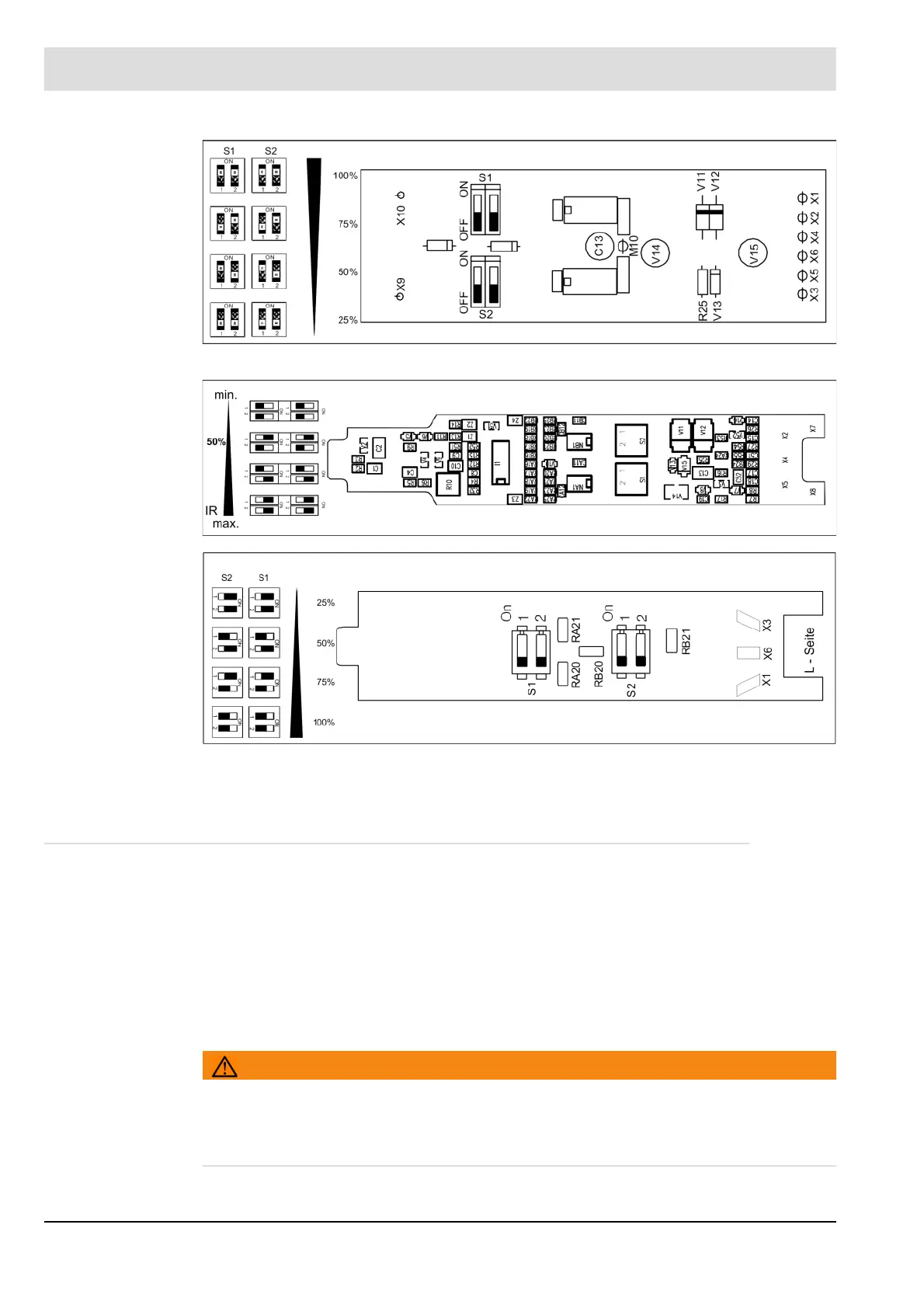
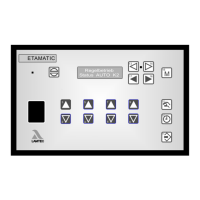
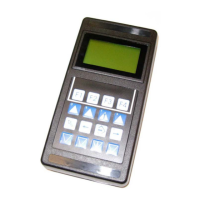
FFS05
(up to January 2014,
replaced by FFS07)
Fig. 10-1 FFS07, FFS 05 Adjusting the flame sensitivity - factory settings IR 50% UV 100%
FFS08 IR
FFS06
(up to January 2014,
replaced by FFS08)
Fig. 10-2 FFS08 IR, FFS06: Adjusting the flame sensitivity - factory settings IR 50%)


 To Next Page