This document and the information contained herein, is the exclusive property of MODE. And represents a nonpublic,
confidential and proprietary trade secret that may not be reproduced, disclosed to third parties, or otherwise employed in
any manner. whatsoever without the express written consent of MODE. Copyright © (2016) MODE. Allrights reserved.
2.11 Sound Intensity Level
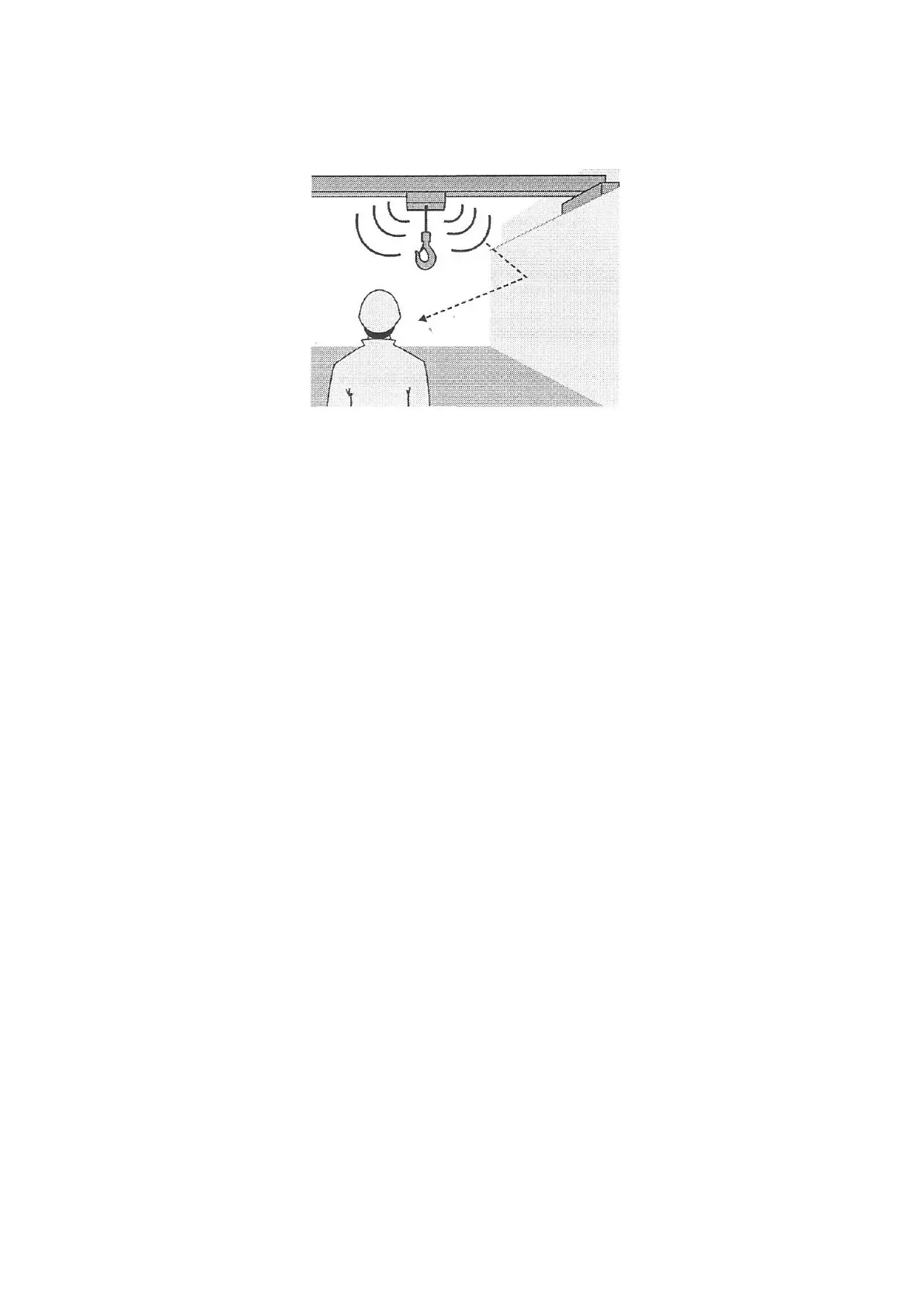
Hoists generate some audible noise during operation. The total noise level experienced in the
operating area is a combination of the individual noise sources around the operator. The main
sources of noise from the hoist arise from its components, vibrating structures and reflective
surfaces.
Hoist components which generate noise:
● Hoisting machinery
● Trolley, bridge or other moving structures associated with the hoist
Typically, when the operating location is more than5m(16ft)from the hoist and associated
moving components, the average combined noise pressure level due to the hoist and its
associated components will not exceed 65 dB(A) at the operating location. The noise pressure
level rises as the operator moves closer to the sources of noise.
The noise pressure level can exceed 65dB(A) if, for example:
The operator operates the hoist from somewhere close to the moving components.
The crane or building structures resonate heavily.
The walls or other surfaces at the working site reflect noise towards the operator
The optional warning devices are functioning
If the noise levels seem high, measurements should be taken while the equipment is working
under normal operating conditions. Follow local recommendations and use personal hearing
protection if recommended.


 To Next Page