Copyright © profichip GmbH, 2012
received in the meantime, the user receives the Cfg_Conflict signal during
the positive or negative acknowledgement of the first Chk_Cfg telegram.
Then the user must repeat the validation, because the VPC3+S have made
a new Config-Buffer available.
The User_Cfg_Data_Okay_Cmd and User_Cfg_Data_Not_Okay_Cmd
acknowledgements are read accesses to defined memory cells with the
relevant Not_Allowed, User_Cfg_Finished, or Cfg_Conflict signals.
If the New_Prm_Data and New_Cfg_Data are supposed to be present
simultaneously during start-up, the user must maintain the Set_Prm
and then the Chk_Cfg acknowledgement sequence.
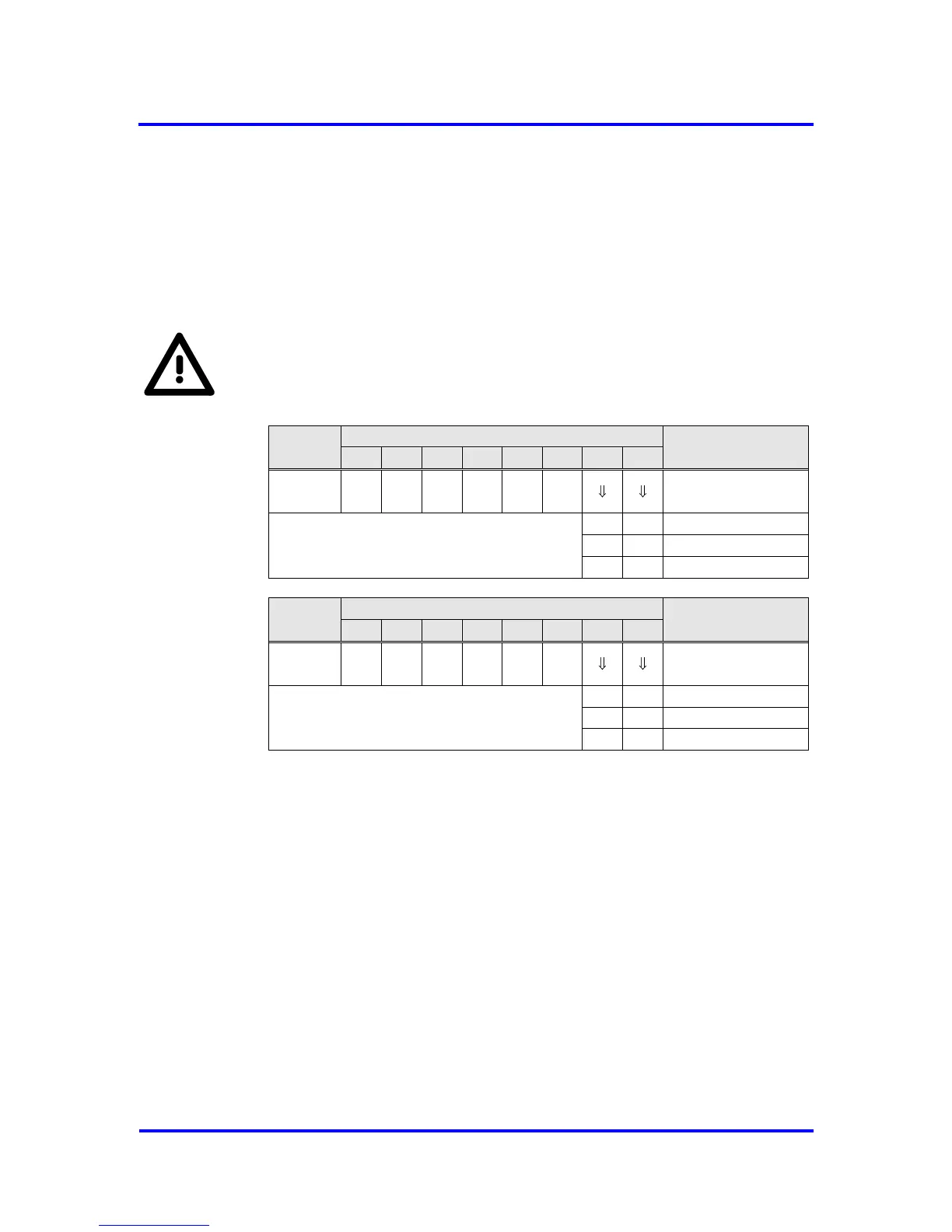
Figure 6-8: Coding of User_Cfg_(Not)_Okay_Cmd
6.2.4 Slave_Diag (SAP 60)
Diagnosis Processing Sequence
Two buffers are available for diagnosis. These two buffers can have
different lengths. One Diagnosis-Buffer, which is sent on a diagnosis
request, is always assigned to the VPC3+S. The user can pre-process new
diagnosis data in the other buffer parallel. If the new diagnosis data are to
be sent, the user issues the New_Diag_Cmd to make the request to
exchange the Diagnosis-Buffers. The user receives confirmation of the
buffer exchange with the Diag_Buffer_Changed interrupt.
When the buffers are exchanged, the internal Diag_Flag is also set. For an
activated Diag_Flag, the VPC3+S responds during the next



 To Next Page