Reference Manual
00809-0100-4130, Rev AA
May 2009
Rosemount 2130
B-4
NOTE:
The metallic alloy used for the enclosure material may be at the accessible surface of
this equipment; in the event of rare accidents, ignition sources due to impact and
friction sparks could occur. This shall be considered when the 2130 is installed in
locations that specifically require Class 1, Div 1 equipment.
7. It is the responsibility of the user to ensure:
a. That the joint requirements between the switch and the vessel tank are
compatible with the process media.
b. That the joint tightness is correct for the joint material used.
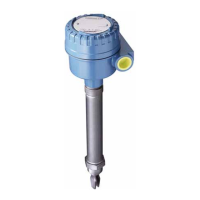
8. The switch fork is subjected to small vibration stresses as part of its normal
function. As this provides a partition wall, it is recommended that the fork should be
inspected every 2 years for signs of defects.
9. It is the responsibility of the user to ensure that only suitably certified cable entry
devices will be used when connecting this equipment.
10.Technical data:
a. Coding: Class 1, Div 1, Groups A, B, C, and D
b.Temperature:
2130*****E5Y**, 2130*****E5T**, 2130*****E6Y**, 2130*****E6T**:
Minimum ambient air temperature (Ta) = –50°C
Minimum process temperature (Tp) = –70°C
c. Pressure: Must not exceed the rating of the coupling/flange fitted.
d. For electrical details and pressure ratings, refer to Section 2: Installation and
Appendix A: Reference Data.
11.Cable selection:
It is the responsibility of the user to ensure that suitably temperature rated cable is
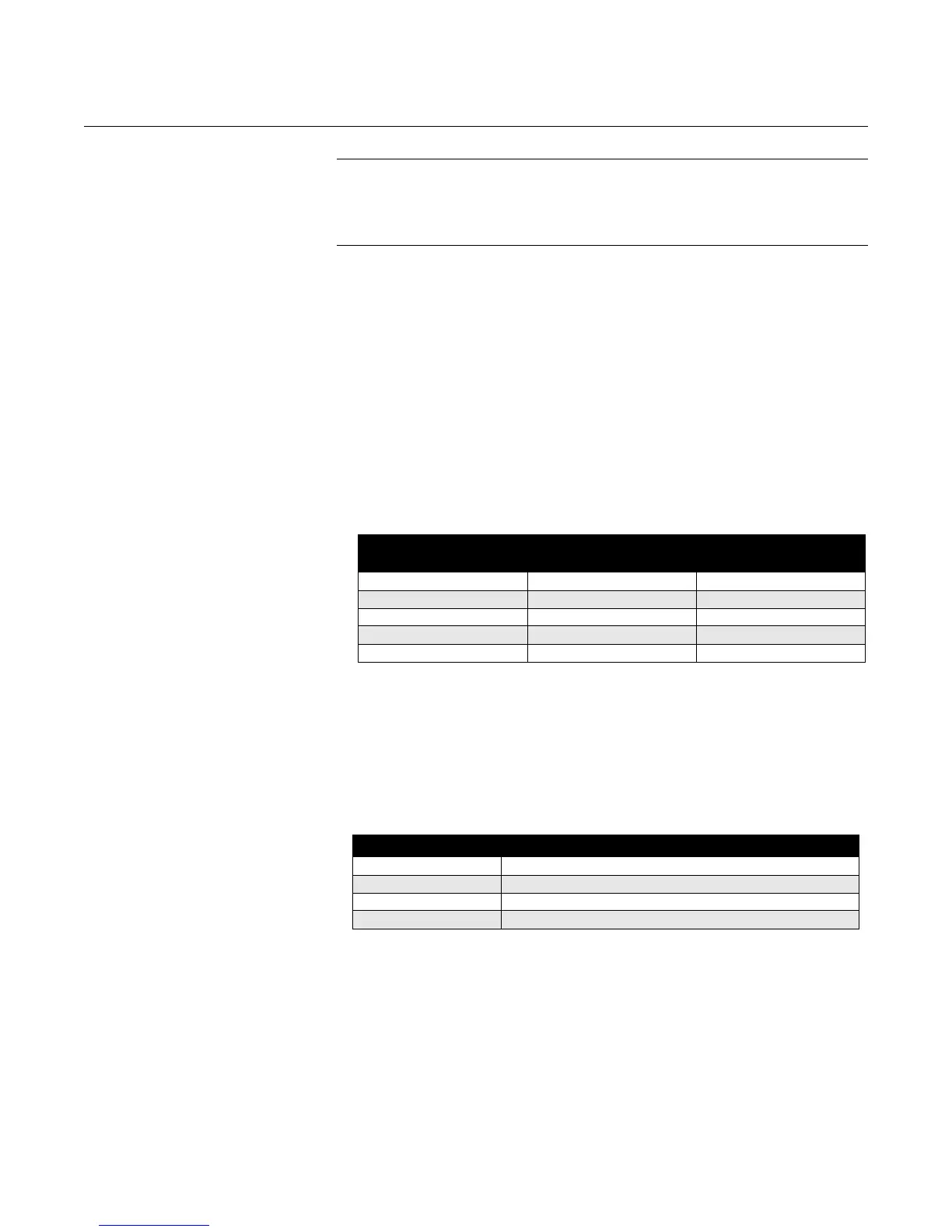
used. The table below is a guide to selection:
Temperature
Classes
Maximum Ambient Air
Temperature (Ta)
Maximum Process
Temperature (Tp)
T6, T5, T4, T3, T2, T1 75
°C80°C
T5, T4, T3, T2, T1 74°C 95°C
T4, T3, T2, T1 73
°C125°C
T3, T2, T1 69°C 185°C
T2, T1 65
°C260°C
T Class Cable Temperature Rating
T6 Above 185 °F (85 °C)
T5 Above 212 °F (100 °C)
T4 Above 275 °F (135 °C)
T3 Above 320 °F (160 °C)




 To Next Page