32 | Essential Concepts
BioTek Instruments, Inc.
Protocols obey the common rules for creating and saving data: create a program, give
it a unique name, define its parameters, and save it. The program is then ready to run,
and can also be edited, copied, or deleted.
Another difference between Quick Dispenses and Protocols is the range of settings
open to definition. A Protocol lets you select the plate type, plate map (columns-to-
dispense-to), dispense volume, flow rate, dispense height, horizontal dispense
position, and priming parameters. Defining a Quick Dispense is limited to volume,
plate type, and plate map. The default values are applied for the other parameters.
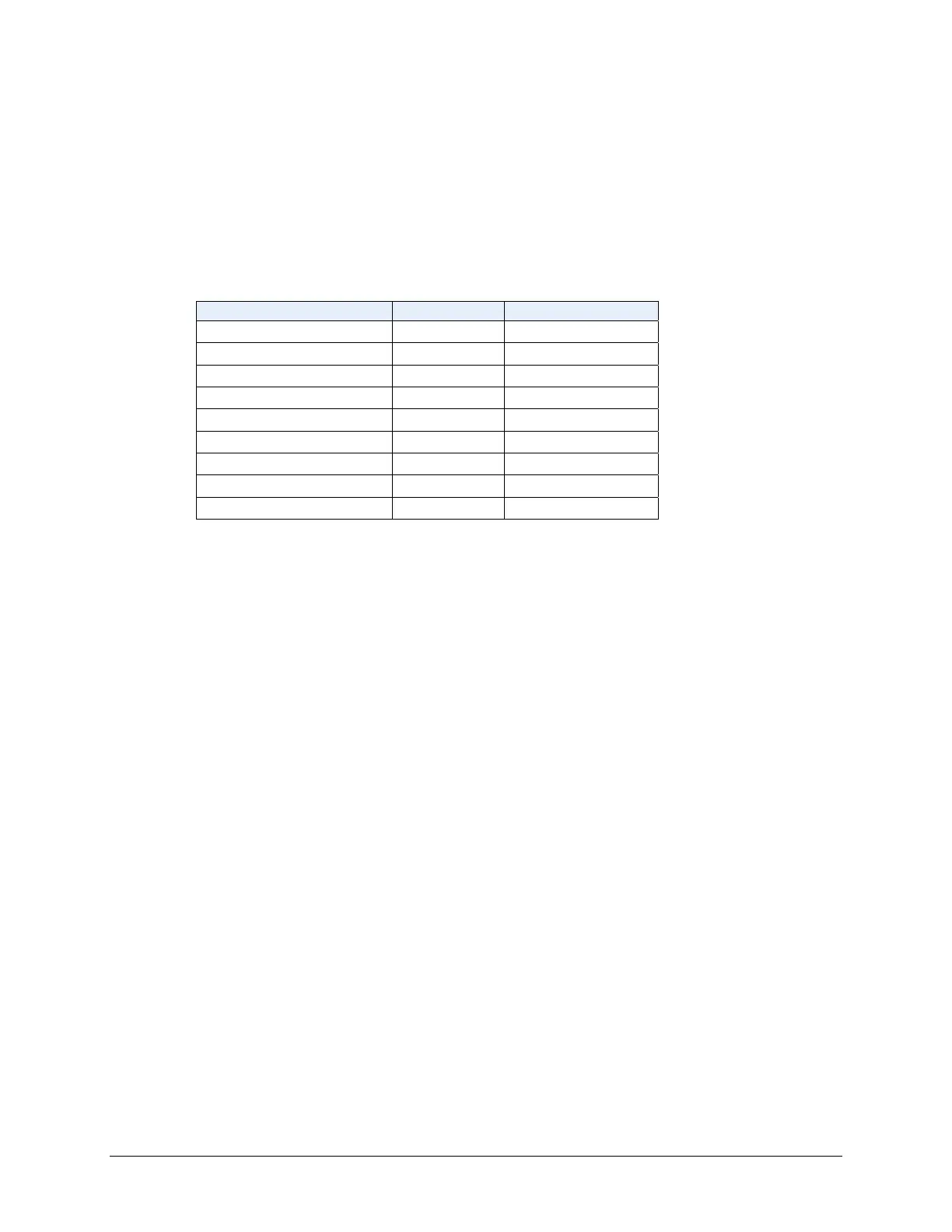
Available Settings Protocols Quick Dispense
Dispense Volume
√ √
Plate Type
√ √
Plate Map
√ √
Flow Rate
√
Dispense Height
√
Plate Clear Height
√
Horizontal Position
√
Prime Volume
√
Prime Cycles
√
Protocols offer some of the convenience of a Quick Dispense. Prior to running a
selected protocol, the MicroFlo displays its dispense volume and plate map. You can
temporarily change one of these values. Upon completion of the run, the MicroFlo
displays a “
Repeat” option to let you instantly run it again on another plate (with the
temporarily changed values, if applicable).
BioTek recommends using Protocols for specific applications, regularly run assays,
and to comply with GLP. Especially when the MicroFlo is being used by multiple
people, protocols will give you more confidence than a Quick Dispense that the
desired dispense parameters have been preserved.
Learn more about Quick Dispense on page 42, and more about creating and running
protocols on page 43.


 To Next Page