Quick Dispense or Protocol? | 31
MicroFlo Select Microplate Dispenser
Quick Dispense or Protocol?
When using its keypad, the MicroFlo gives you two ways to create, run, and save
dispense programs: Quick Dispenses and Protocols. Each one has advantages and
disadvantages depending on your working environment and dispense requirements.
Quick Dispense (Main Menu)
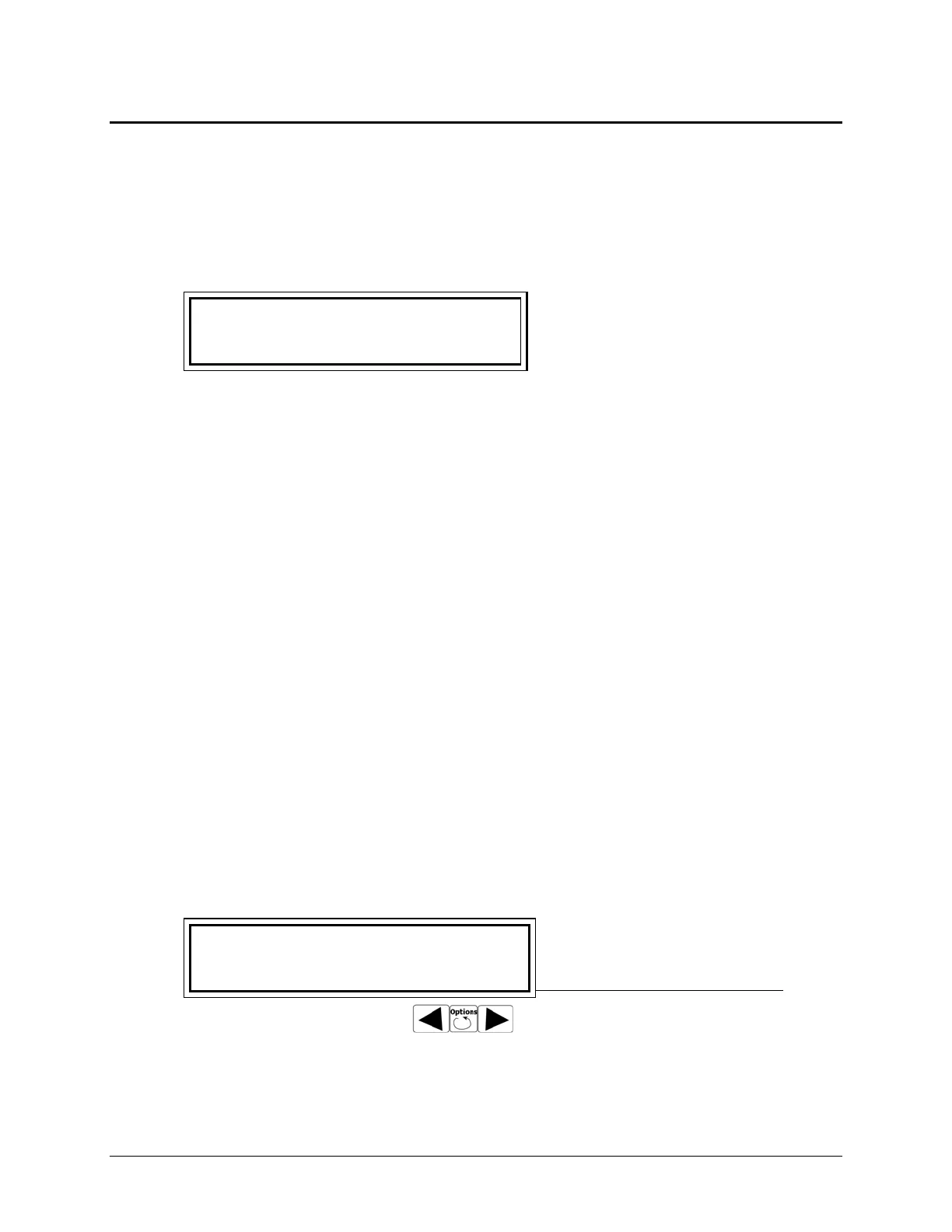
(96) CAS(5) VOL:0010µL
Prime Purge uPlate
The MicroFlo stores up to 10 Quick Dispense programs for quick retrieval and
execution. The dispenser ships with one quick program, which is displayed in the
Main Menu at startup.
Whenever you change a dispense parameter and run the routine, the program is saved
as a Quick Dispense program. Up to 10 distinct programs are stored. New programs
displace the oldest ones. The Quick Dispense programs do not have a name, which
distinguishes them from the Protocols. And, depending on how many you create, they
may not be permanently saved.
The last used program is always ready-to-run. It is shown in the top line of the Main
Menu with the plate type, cassette type, and dispense volume, as in the example
shown above. The
Options button scrolls through the Quick Dispense programs
beginning with the most recently run.
The easy access and instant nature of the Quick Dispenses are obvious advantages.
They are perfect for one-time-only dispense routines. And, labs with simple dispensing
requirements and only one or two users may find they perfectly meet their needs.
However, Quick Dispenses do not reveal all the parameters, which can be deceptive.
A coworker may have used the MicroFlo with the same top level parameters: plate
type, cassette, and volume, but changed the plate map. In labs with multiple users,
running Protocols may be more efficient.
Protocols
SELECT DISP PROGRAM 01
Name: 25U TO 96
Top line: Program #
Second line: Program Name
Use Options button to scroll
In contrast to the Quick Dispense programs, the MicroFlo permanently saves
Protocols. Up to 99 Protocols can be created and stored onboard.


 To Next Page