NOTE: In the INIT state the 125 MHz digital PLL clock is not running, instead the system is clocked at the raw
19.2 MHz XTI clock rate. Thus, in Low duty-cycle SNIFF mode the off period configured in the SNIFF_OFFT is
in multiples of 6.6 µs (instead of the 1 µs units that apply in the SNIFF mode).
The power saving of Low duty-cycle SNIFF mode is only realised when the off period is greater than 1 (i.e. >
6.6 µs). This is because after the timer expiry the DW1000 will enter the IDLE state as the PLL is turned on
and locks (this takes approximately 5 µs) before progressing into the RX state.
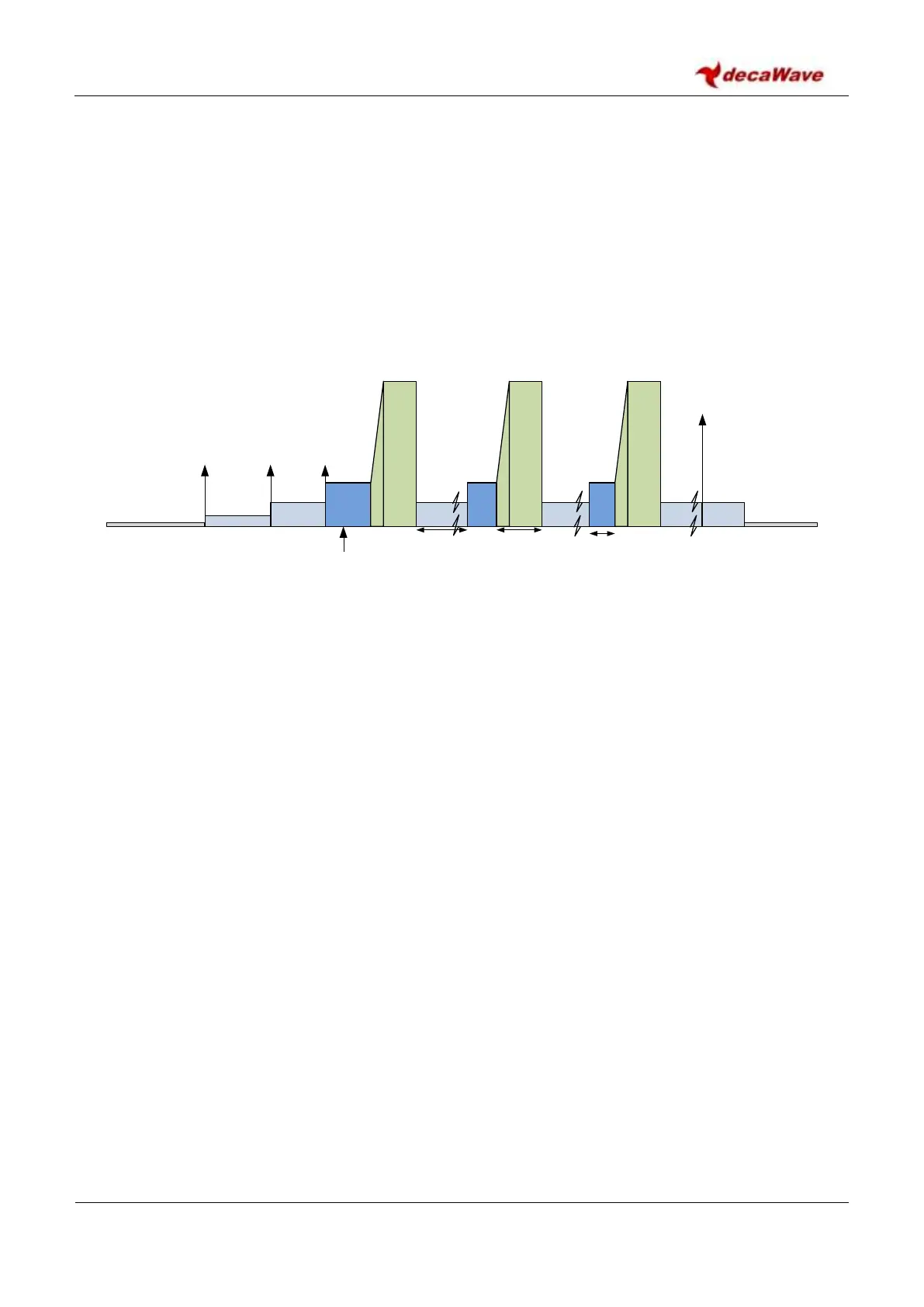
Figure 21 shows the power profile associated with Low duty-cycle SNIFF mode where the IC wakes up from
SLEEP and progress into the repeated INIT-(IDLE)-RX-INIT-(IDLE)-RX cycles of the pulsed preamble detection
mode. A timeout ends this and the DW1000 is returned to SLEEP.
Figure 21: Power profile for Low duty-cycle SNIFF where a frame is not received
4.6 Diagnostics
The DW1000 includes the following diagnostic aids: -
The ability to drive LEDs to show TX and RX activity, which may be useful during product
development and in non-battery powered devices. The LED driving feature is an option on GPIO
lines, and is configurable via Sub-Register 0x26:00 – GPIO_MODE. Please refer to the register
description for details of the supported functionality.
Access to accumulator – of use during product development diagnostics. This is provided via Register
file: 0x25 – Accumulator CIR memory. Please refer to its description for details.
RX frame quality indications – of use for both product development diagnostics and for working
diagnostics, e.g. for network management or for deciding on confidence level for an RTLS or ranging
measurement. These are available through Register file: 0x12 – Rx Frame Quality Information.
Please refer to its description for details, and to section 4.7 – Assessing the quality of reception and
the RX timestamp
4.7 Assessing the quality of reception and the RX timestamp
The DW1000 receiver is capable of receiving messages under many different conditions. In some
circumstances it can be useful to assess the quality of the received signals and any timestamp data based on
them.
RX
IDLE
INIT
GO2SLP
Sample Wakeup Event:
Sleep counter expires
SLEEP SLEEP
Frame Wait Timeout,
Host RX End.
WAKEUP
CLKPLL locked
Crystal stable,
RSTn=1
RX
Configure RX Sniff Mode
Sniff On Time
(in PACs)
Sniff Off Time
(in 19.2MHz cycles)
INIT
IDLE
INIT
RX
IDLE
PLL Lock
Time (~5uS)
INIT
IDLE


 To Next Page