Page 10 of 87 DGH 55B-INS-OMENG Rev: 3
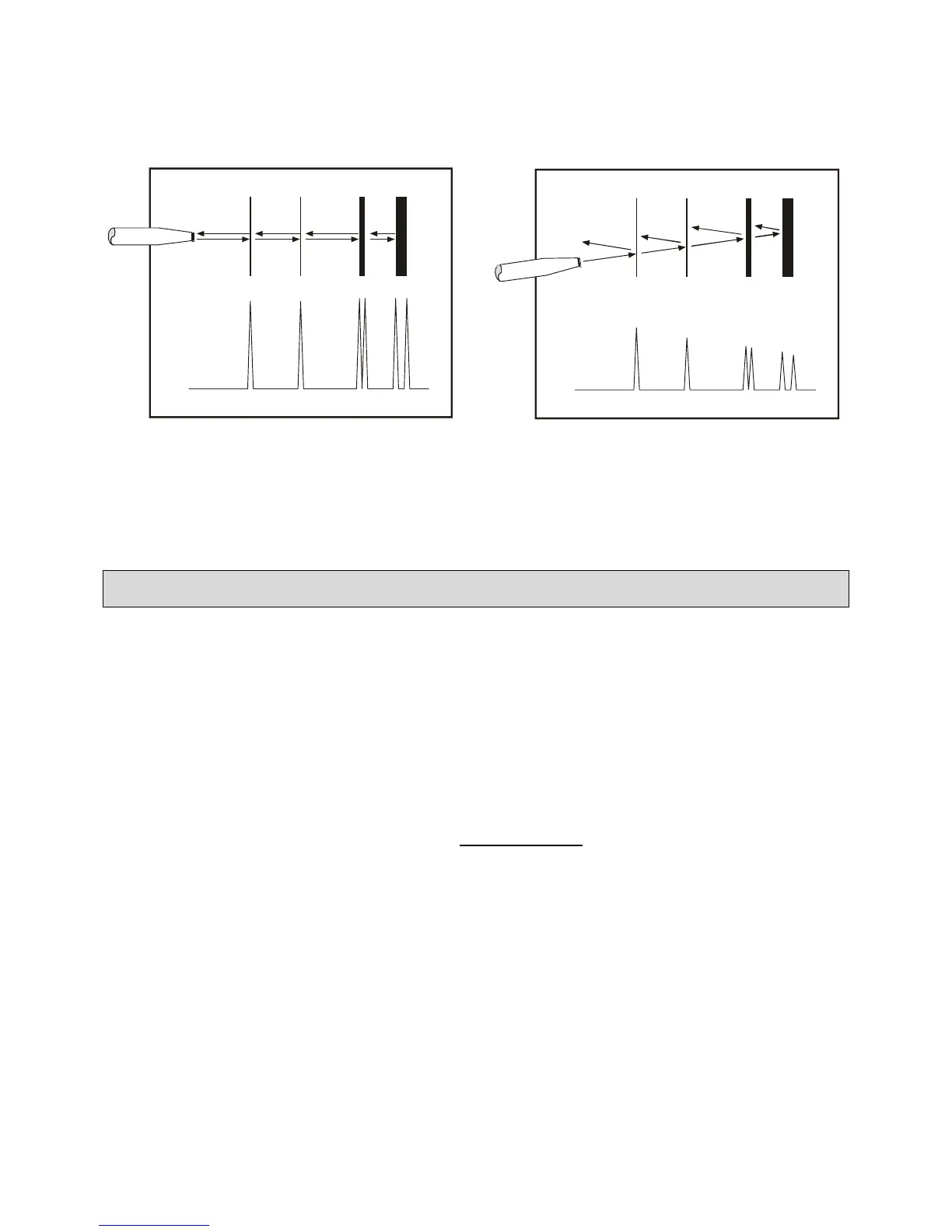
Fig 4.2.1: Sound hitting an interface perpendicularly. Fig 4.2.2: Sound hitting an interface at an angle
Using these properties of ultrasound, the alignment of an ultrasound beam through the eye can be
determined. Proper alignment is crucial to the accuracy of measurements.
4.3 Ultrasonic Measurement
The speed of sound increases in denser materials. Liquids or substances containing large
amounts of water conduct ultrasound very well; air does not conduct ultrasound. Using the
relationship between the density of a material and the speed of sound, ophthalmic pachymeters
obtain distances in the eye by performing a two-step process.
First, a pulse of sound is timed as it travels through the cornea, reflects off the back of the
cornea, and returns to the transducer.
Second, the thickness is calculated based on the travel time and the speed of sound through the
eye:
distance = velocity × time
2
All thickness measurements are based on a corneal velocity of 1640 m/sec.



 To Next Page