72A-2337-01 Rev. B 11/05 6-1
6. Safety and Maintenance
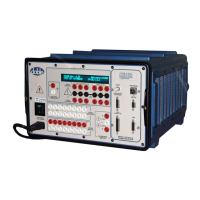
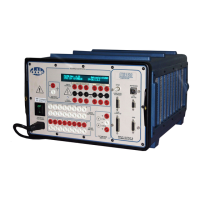
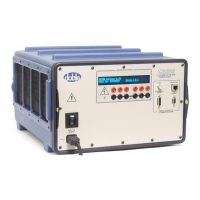
This chapter discusses rules for the safe operation of the F6300, and several topics related to
maintenance of the unit.
F6300 Rules for Safe Operation
Safe operation of the system requires adherence to the following guidelines:
• Do not, for any reason, cut or remove the grounding prong from the power cord.
• Do not defeat the AC power input source ground connection, and verify that the power
connections have proper hot and neutral polarity.
• Use the correct electrical line voltage to avoid an electrical short circuit, overheating
and shocks. If in doubt, check the electrical rating label attached to each unit.
• Always turn the power OFF and disconnect the F6300 from line power before reaching
into the instrument.
WARNING The F6300 contains capacitors capable of storing hazardous voltages even after the instrument
is turned off and the power cord is removed. Always proceed with caution when reaching into
the instrument.
• Never insert metal objects, such as screwdrivers or paper clips, inside the instrument
while power is ON.
• Unplug the instrument if it is not to be used for an extended period of time, or before
cleaning.
• If the instrument is dropped, have it checked by a qualified service technician before
placing it back in service. Dropping the instrument can disturb the insulation system.
• Do not place the instrument in excessively warm or humid locations.
• If the instrument is dropped or physically damaged, or if spilled liquid penetrates the
instrument case, return the instrument to Doble for repair.
The F6300 output and measurement terminals are intended for Installation Category I usage. The
F6300 power input is intended for connection to an Installation Category II (overvoltage
category) AC main supply. The F6300 is intended for indoor use only.
Cleaning the F6300
To clean the instrument, sponge the instrument covers and panels with a mild soap solution.
Observe the following precautions whenever the instrument is cleaned:
• Disconnect the instrument's power cord and all other external cables before cleaning or
removing the instrument cover.
• Do not use household cleaners containing chlorinated or abrasive compounds.
• Do not spray liquids directly onto the instrument.
• Do not use flammable liquids, such as gasoline or lighter fluid, for cleaning electrodes,
electrical components or moving parts.


 To Next Page